Why Your Skin Itches Without a Rash – Expert Insights from Itchy Skin Specialist Dr. Atul Kathed
Have you ever felt an intense urge to scratch your skin, yet when you look closely, there’s no rash, no redness, and no visible problem? This situation can be confusing and frustrating. Many people ignore it, assuming dryness or weather changes are to blame. However, persistent itching without visible signs can sometimes indicate deeper skin or health issues that require expert attention from an itchy skin specialist Dr. Atul Kathed.
What Is “Invisible” Itching?
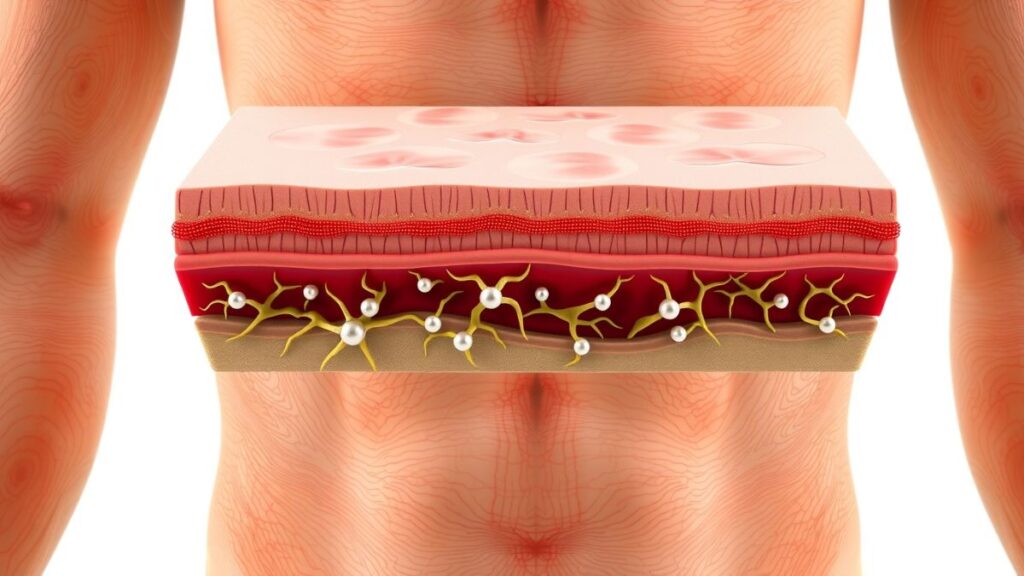
Invisible itching refers to persistent skin irritation without obvious surface changes. Your skin may look perfectly fine, but the itching can disrupt sleep, concentration, and daily life. This condition is more common than people realize, yet it is often misunderstood and poorly explained online. Consulting an itchy skin specialist Dr. Atul Kathed can help identify the root cause rather than just suppressing symptoms.
Common Causes of Itchy Skin Without a Rash
1. Dry Skin (Xerosis)
Dry skin is one of the most common causes of itching, especially in winter or in air-conditioned environments. Even if your skin doesn’t appear flaky, moisture loss can irritate nerve endings, triggering itching.
2. Allergic Reactions
Mild allergies to soaps, detergents, perfumes, or fabrics may cause itching without obvious redness. Many people continue using the same products, unaware that repeated exposure worsens the problem. An itchy skin specialist Dr. Atul Kathed can help pinpoint such triggers through clinical evaluation.
3. Nerve-Related Itching
Sometimes itching is not a skin problem at all but a nerve issue. Conditions like nerve compression, diabetes, or spine-related problems can send false itch signals to the brain even when the skin is healthy.

4. Stress and Psychological Factors
Stress, anxiety, and emotional tension can manifest physically as itching. This is known as psychogenic pruritus. The itch often worsens at night or during stressful periods and has no visible skin changes.
5. Internal Health Conditions
Persistent itching can sometimes be linked to internal conditions such as liver problems, thyroid disorders, kidney disease, or anemia. In such cases, topical creams provide little relief, and expert evaluation becomes essential. This is why early consultation with an itchy skin specialist Dr. Atul Kathed is important.
Why Ignoring Persistent Itching Can Be Risky
Occasional itching is normal, but long-lasting or recurring itching should never be ignored. Constant scratching can damage the skin barrier, leading to infections, pigmentation changes, and chronic skin sensitivity. Moreover, untreated internal causes may progress silently. Seeking timely advice from an itchy skin specialist Dr. Atul Kathed helps prevent complications and ensures accurate diagnosis.

When Should You See a Dermatologist?
You should consult a dermatologist if:
- The itching lasts more than two weeks
- It interferes with sleep or daily activities
- Over-the-counter creams do not help
- Itching worsens at night
- There is a history of medical conditions
An experienced itchy skin specialist Dr. Atul Kathed evaluates not only the skin but also lifestyle, medical history, and possible systemic causes.
How Dermatologists Diagnose the Cause
Diagnosis involves more than a visual examination. A dermatologist may ask detailed questions about your routine, stress levels, medications, and environmental exposure. In some cases, blood tests or allergy evaluations are advised. The goal is to treat the cause, not just the itch. This comprehensive approach is what sets an itchy skin specialist Dr. Atul Kathed apart from generic online advice.

Effective Treatment Options
Treatment depends entirely on the underlying cause:
- Moisturizer-based therapy for dry or barrier-damaged skin
- Avoidance strategies for allergens and irritants
- Medical creams or oral medications for nerve-related or inflammatory itching
- Lifestyle and stress management guidance when psychological factors are involved
Self-medication can often worsen the condition, making professional guidance essential.
Daily Habits That Can Reduce Itching
Simple changes can make a big difference:
- Use gentle, fragrance-free cleansers
- Avoid hot showers
- Wear breathable cotton clothing
- Moisturize immediately after bathing
- Manage stress through relaxation techniques
However, if these measures fail, it’s time to consult an itchy skin specialist Dr. Atul Kathed for personalized care.
Final Thoughts
Itching without visible skin changes is not something you should learn to live with. Your skin is sending a message, and ignoring it may delay proper treatment. Whether the cause is dryness, stress, nerve sensitivity, or an internal condition, early diagnosis leads to better outcomes. For accurate evaluation and long-term relief, consulting an experienced itchy skin specialist Dr. Atul Kathed can help restore comfort, confidence, and healthy skin.