Blog

Dandruff in the Hair Explained Common Causes, Scalp Itching

Dandruff in the Hair Explained: Common Causes, Scalp Itching, Seasonal Triggers, and Effective Prevention

White flakes on your shoulders, constant scalp itching, and embarrassment in public are common concerns for people dealing with dandruff in the hair. While dandruff is not a serious medical condition, it can affect your confidence and may indicate that your scalp needs proper care. The good news is that with the right diagnosis and treatment, dandruff can usually be managed effectively. According to Dr. Atul Kathed, one of India’s best dermatologists, understanding the root cause of dandruff is the first step toward long-term relief. Instead of relying on home remedies or changing shampoos frequently, it is important to know why dandruff occurs and what works best for your scalp. What is dandruff? Dandruff is a common scalp condition in which dead skin cells shed more rapidly than usual, resulting in visible white or yellowish flakes. It often occurs when the scalp becomes irritated, oily, or affected by an overgrowth of a naturally occurring yeast called Malassezia. Although dandruff in the hair is not contagious, it can cause discomfort and become a recurring problem if left untreated. Many people notice dandruff during adolescence or adulthood, but it can affect individuals of almost any age. What causes dandruff in the hair? Several factors can contribute to dandruff in the hair, and identifying the exact cause helps in choosing the right treatment. Common causes include: Since different people may have different triggers, consulting a dermatologist is always a better approach than self-treating persistent dandruff. Why do men get dandruff? Men are generally more prone to dandruff because they have larger and more active sebaceous (oil) glands. Increased oil production creates an environment where scalp yeast can grow more easily, leading to flaking and irritation. Hormonal factors also play an important role. In addition, men often use styling products, wear helmets for extended periods, or sweat excessively, all of which may contribute to dandruff in the hair. However, women can also experience dandruff, especially during periods of hormonal fluctuations or stress. Can oily skin cause dandruff? Yes. Oily skin can increase the likelihood of developing dandruff. Excess sebum mixes with dead skin cells and encourages the growth of Malassezia, resulting in irritation and flaking. People with oily scalps may mistakenly believe that frequent shampooing alone will solve the problem. In reality, dandruff in the hair often requires medicated shampoos or dermatologist-recommended treatments that target the underlying cause rather than simply removing oil. Can a change in water cause dandruff? Changing your water source does not directly cause dandruff, but it may influence your scalp health. Hard water contains minerals such as calcium and magnesium that can leave residue on the scalp and hair. This buildup may make the scalp feel dry or irritated, which can worsen existing dandruff in some individuals. Similarly, moving to a place with different weather conditions or changes in your hair care routine can affect your scalp. If dandruff begins soon after relocating, it is worth reviewing both your environment and scalp care habits. Why does dandruff worsen during the cold season? Many people notice that dandruff in the hair becomes more noticeable during winter. This happens because cold weather reduces moisture in the air, leading to a drier scalp. Indoor heating can further strip away natural moisture, making flaking more visible. People also tend to wash their hair less frequently during winter, allowing oil and dead skin cells to accumulate on the scalp. Maintaining regular scalp hygiene and using dermatologist-recommended anti-dandruff products can help control seasonal flare-ups. Is mild scalp itching caused by dandruff? Yes, mild scalp itching is one of the most common symptoms of dandruff. The irritation caused by excess flakes, oil, and yeast activity can make the scalp itchy. While occasional itching is normal, persistent itching accompanied by redness, heavy scaling, or hair loss should not be ignored. If the itching becomes severe or does not improve with over-the-counter treatments, consult a dermatologist to rule out other scalp conditions such as psoriasis, eczema, or fungal infections. How can one prevent persistent dandruff? Preventing dandruff in the hair requires a combination of good scalp hygiene and appropriate treatment. Here are some practical tips: According to Dr. Atul Kathed, recurring dandruff should not be ignored because it may be associated with underlying scalp conditions that require medical evaluation. Early treatment often provides faster relief and prevents complications. Final Thoughts Although dandruff in the hair is a common condition, it should not be considered a normal part of everyday life. Understanding its causes, recognizing seasonal triggers, and following proper scalp care can significantly reduce recurring flakes and itching. If home care measures fail or symptoms continue to return, consulting an experienced dermatologist is the best way to receive an accurate diagnosis and personalized treatment plan. Healthy scalp care today can help you enjoy healthier, flake-free hair in the future.

Read More
30 की उम्र में दाढ़ी सफेद जानिए कारण - Dr. Atul Kathed Dermatologist in Indore

30 की उम्र में दाढ़ी सफेद: जानिए कारण, विटामिन की कमी और बचाव के उपाय

आजकल कई पुरुष यह देखकर हैरान हो जाते हैं कि 30 की उम्र में दाढ़ी सफेद होने लगी है। पहले जहां सफेद दाढ़ी को बढ़ती उम्र का संकेत माना जाता था, वहीं अब यह समस्या युवाओं में भी तेजी से देखने को मिल रही है। कुछ लोगों की दाढ़ी के केवल कुछ बाल सफेद होते हैं, जबकि कुछ में पूरी दाढ़ी का रंग बदलने लगता है। ऐसे में मन में कई सवाल उठते हैं कि क्या यह सामान्य है, किसी बीमारी का संकेत है या फिर जीवनशैली से जुड़ी समस्या है। डॉ. अतुल काठेड, डर्मेटोलॉजिस्ट इन इंदौर, के अनुसार समय से पहले दाढ़ी का सफेद होना कई कारणों से जुड़ा हो सकता है। सही कारण की पहचान करके इसे काफी हद तक नियंत्रित किया जा सकता है। कम उम्र या 30 की उम्र में दाढ़ी सफेद क्यों? कम उम्र या 30 की उम्र में दाढ़ी सफेद होने का सबसे सामान्य कारण आनुवंशिकता (Genetics) होता है। यदि परिवार में माता-पिता या अन्य सदस्यों के बाल और दाढ़ी जल्दी सफेद हुए हैं, तो यह समस्या अगली पीढ़ी में भी दिखाई दे सकती है। इसके अलावा तनाव, पोषण की कमी, धूम्रपान, प्रदूषण और कुछ स्वास्थ्य समस्याएं भी दाढ़ी के बालों में मौजूद मेलेनिन (Melanin) पिगमेंट को प्रभावित कर सकती हैं। जब मेलेनिन का उत्पादन कम होने लगता है, तब बाल अपना प्राकृतिक रंग खोकर सफेद दिखाई देने लगते हैं। इंदौर में त्वचा रोग विशेषज्ञ डॉ. अतुल काठेड बताते हैं कि 30 की उम्र में दाढ़ी सफेद होना एक संकेत हो सकता है कि शरीर को कुछ आवश्यक पोषक तत्व पर्याप्त मात्रा में नहीं मिल रहे हैं या फिर जीवनशैली में सुधार की जरूरत है। इसलिए समस्या को केवल कॉस्मेटिक मुद्दा मानकर नजरअंदाज नहीं करना चाहिए। क्या खराब जीवनशैली और नींद की कमी से दाढ़ी सफेद हो जाती है? हाँ, खराब जीवनशैली समय से पहले सफेद दाढ़ी का एक महत्वपूर्ण कारण बन सकती है। देर रात तक जागना, पर्याप्त नींद न लेना, लगातार तनाव में रहना और असंतुलित खानपान शरीर में ऑक्सीडेटिव स्ट्रेस बढ़ा सकता है। जब शरीर लगातार तनाव की स्थिति में रहता है, तो बालों के रंग के लिए जिम्मेदार कोशिकाएं प्रभावित होने लगती हैं। यही कारण है कि आज कई लोगों में 30 की उम्र में दाढ़ी सफेद होने की समस्या बढ़ रही है। नियमित व्यायाम, पर्याप्त नींद और संतुलित आहार अपनाकर इस जोखिम को कम किया जा सकता है। हेयर कलर के ज्यादा इस्तेमाल से दाढ़ी सफेद क्यों हो जाती है? बहुत से लोग मानते हैं कि हेयर कलर लगाने से दाढ़ी स्थायी रूप से सफेद हो जाती है, लेकिन यह पूरी तरह सही नहीं है। वास्तव में हेयर कलर सीधे बालों के प्राकृतिक रंग को खत्म नहीं करता। हालांकि, बार-बार केमिकल युक्त उत्पादों का उपयोग बालों और त्वचा को नुकसान पहुंचा सकता है। इससे बाल कमजोर, रूखे और बेजान दिख सकते हैं। यदि पहले से ही 30 की उम्र में दाढ़ी सफेद होने की प्रवृत्ति मौजूद है, तो अत्यधिक केमिकल उत्पाद समस्या को अधिक स्पष्ट बना सकते हैं। क्या विटामिन की कमी से दाढ़ी के बाल सफ़ेद हो सकते हैं? हाँ, कई मामलों में विटामिन और मिनरल्स की कमी समय से पहले दाढ़ी सफेद होने का कारण बन सकती है। विशेष रूप से निम्न पोषक तत्व महत्वपूर्ण भूमिका निभाते हैं: इन पोषक तत्वों की कमी होने पर बालों की जड़ों को पर्याप्त पोषण नहीं मिल पाता, जिससे मेलेनिन का उत्पादन प्रभावित हो सकता है। इसलिए यदि 30 की उम्र में दाढ़ी सफेद हो रही है, तो डॉक्टर की सलाह से आवश्यक जांच करवाना फायदेमंद हो सकता है। क्या सफेद दाढ़ी को दोबारा काला किया जा सकता है? यह सवाल सबसे ज्यादा पूछा जाता है। इसका उत्तर सफेद होने के कारण पर निर्भर करता है। यदि दाढ़ी सफेद होने का कारण पोषण की कमी, तनाव या कोई स्वास्थ्य समस्या है, तो सही उपचार और जीवनशैली में सुधार के बाद कुछ मामलों में स्थिति बेहतर हो सकती है। लेकिन यदि कारण आनुवंशिकता या प्राकृतिक उम्र बढ़ना है, तो सफेद बालों का पूरी तरह काला होना हमेशा संभव नहीं होता। डर्मेटोलॉजिस्ट डॉ. अतुल काठेड के अनुसार सही निदान के बिना किसी भी सप्लीमेंट या घरेलू उपाय का उपयोग नहीं करना चाहिए। पहले कारण की पहचान करना जरूरी है। दाढ़ी को समय से पहले सफेद होने से कैसे बचाएं? यदि आप 30 की उम्र में दाढ़ी सफेद होने के जोखिम को कम करना चाहते हैं, तो इन बातों का ध्यान रखें: निष्कर्ष आज के समय में 30 की उम्र में दाढ़ी सफेद होना एक आम समस्या बनती जा रही है। इसके पीछे आनुवंशिकता, विटामिन की कमी, तनाव, खराब जीवनशैली और अन्य स्वास्थ्य कारण जिम्मेदार हो सकते हैं। यदि 30 की उम्र में दाढ़ी सफेद हो रही है, तो घबराने की बजाय सही कारण जानना और विशेषज्ञ से सलाह लेना सबसे अच्छा कदम है। समय पर निदान और स्वस्थ जीवनशैली अपनाकर इस समस्या को काफी हद तक नियंत्रित किया जा सकता है।

Read More
आँखों के नीचे काले घेरे जानिए कारण, विटामिन की कमी और सही इलाज

आँखों के नीचे काले घेरे: जानिए कारण, विटामिन की कमी और सही इलाज

चेहरे की सुंदरता में आँखों की महत्वपूर्ण भूमिका होती है। लेकिन जब आँखों के नीचे काले घेरे दिखाई देने लगते हैं, तो व्यक्ति थका हुआ, तनावग्रस्त और उम्र से अधिक बड़ा नजर आ सकता है। आजकल यह समस्या केवल महिलाओं ही नहीं बल्कि पुरुषों और युवाओं में भी तेजी से देखने को मिल रही है। कई लोग इसे केवल नींद की कमी से जोड़कर देखते हैं, जबकि इसके पीछे कई अन्य कारण भी हो सकते हैं। आइए जानते हैं कि आँखों के नीचे काले घेरे क्यों होते हैं, किन विटामिन की कमी से यह समस्या बढ़ सकती है और इसका सही इलाज क्या है। आँखों के नीचे काले घेरे क्यों होते हैं? डार्क सर्कल्स बनने के कई कारण हो सकते हैं। बढ़ती उम्र के साथ त्वचा पतली होने लगती है, जिससे त्वचा के नीचे की रक्त वाहिकाएं अधिक दिखाई देने लगती हैं। इसके अलावा अनियमित जीवनशैली, तनाव, पर्याप्त नींद न लेना, धूप का अधिक संपर्क, एलर्जी, धूम्रपान और आनुवंशिक कारण भी इस समस्या को बढ़ा सकते हैं। इंदौर के प्रसिद्ध स्किन स्पेशलिस्ट डॉ. अतुल काठेड़ के अनुसार, हर व्यक्ति में डार्क सर्कल्स का कारण अलग हो सकता है। इसलिए सही कारण की पहचान करना उपचार का पहला और सबसे महत्वपूर्ण कदम होता है। किस विटामिन की कमी से आँखों में काले घेरे हो सकते है? शरीर में कुछ आवश्यक विटामिन और पोषक तत्वों की कमी भी डार्क सर्कल्स का कारण बन सकती है। जब शरीर को पर्याप्त पोषण नहीं मिलता, तो त्वचा की गुणवत्ता प्रभावित होती है और आँखों के आसपास का भाग अधिक काला दिखाई दे सकता है। इसलिए संतुलित आहार लेना और आवश्यकता होने पर चिकित्सकीय सलाह के अनुसार सप्लीमेंट लेना लाभदायक हो सकता है। क्या नींद की कमी से आँखों के नीचे डार्क सर्कल्स हो सकते हैं? हाँ, पर्याप्त नींद न लेना डार्क सर्कल्स का एक सामान्य कारण माना जाता है। जब व्यक्ति लगातार कम सोता है, तो त्वचा फीकी और बेजान दिखने लगती है। इससे आँखों के नीचे मौजूद रक्त वाहिकाएं अधिक स्पष्ट दिखाई देती हैं और कालेपन का आभास होता है। विशेषज्ञ प्रतिदिन 7 से 8 घंटे की गुणवत्तापूर्ण नींद लेने की सलाह देते हैं। अच्छी नींद न केवल डार्क सर्कल्स कम करने में मदद करती है, बल्कि त्वचा को स्वस्थ और ताजगीपूर्ण बनाए रखने में भी सहायक होती है। क्या टीवी या मोबाइल फ़ोन के ज़्यादा इस्तेमाल से आँखों के नीचे काले घेरे होते हैं? सीधे तौर पर मोबाइल या टीवी डार्क सर्कल्स नहीं बनाते, लेकिन लंबे समय तक स्क्रीन देखने से आँखों पर तनाव बढ़ सकता है। लगातार स्क्रीन देखने से आँखों में थकान, सूखापन और नींद की गुणवत्ता में कमी आ सकती है। ये सभी कारक अप्रत्यक्ष रूप से डार्क सर्कल्स को बढ़ावा दे सकते हैं। यदि आपका काम लंबे समय तक स्क्रीन पर रहता है, तो 20-20-20 नियम अपनाएं। हर 20 मिनट बाद 20 सेकंड के लिए 20 फीट दूर किसी वस्तु को देखें। इससे आँखों को आराम मिलता है। क्या आँखों के नीचे काले घेरे किसी गंभीर बीमारी का संकेत हो सकते हैं? अधिकांश मामलों में डार्क सर्कल्स किसी गंभीर बीमारी का संकेत नहीं होते। फिर भी कुछ स्थितियों में यह किसी स्वास्थ्य समस्या की ओर इशारा कर सकते हैं, जैसे: यदि काले घेरे अचानक बढ़ जाएँ, लंबे समय तक बने रहें या अन्य स्वास्थ्य समस्याओं के साथ दिखाई दें, तो त्वचा विशेषज्ञ या चिकित्सक से परामर्श लेना उचित होता है। आँखों के नीचे काले घेरे हटाने का सही इलाज क्या है? डार्क सर्कल्स का उपचार उसके कारण पर निर्भर करता है। केवल घरेलू उपाय हर व्यक्ति में समान रूप से प्रभावी नहीं होते। कुछ सामान्य उपायों में शामिल हैं: जब घरेलू उपाय पर्याप्त परिणाम नहीं देते, तब त्वचा विशेषज्ञ आधुनिक उपचारों की सलाह दे सकते हैं। इनमें केमिकल पील्स, लेज़र थेरेपी, स्किन रीजुवेनेशन प्रक्रियाएं और अन्य उन्नत उपचार शामिल हो सकते हैं। इंदौर के जाने-माने त्वचा विशेषज्ञ डॉ. अतुल काठेड़ प्रत्येक मरीज की त्वचा की स्थिति और डार्क सर्कल्स के कारण का मूल्यांकन करने के बाद व्यक्तिगत उपचार योजना तैयार करते हैं, जिससे बेहतर और सुरक्षित परिणाम प्राप्त किए जा सकते हैं। निष्कर्ष आँखों के नीचे काले घेरे केवल सौंदर्य संबंधी समस्या नहीं हैं, बल्कि कई बार यह आपकी जीवनशैली, पोषण और स्वास्थ्य की स्थिति को भी दर्शाते हैं। सही कारण की पहचान, स्वस्थ आदतें और विशेषज्ञ की सलाह से इस समस्या को काफी हद तक नियंत्रित किया जा सकता है। यदि आँखों के नीचे काले घेरे लगातार बने हुए हैं और घरेलू उपायों से सुधार नहीं हो रहा है, तो किसी अनुभवी त्वचा विशेषज्ञ से परामर्श लेना सबसे अच्छा विकल्प हो सकता है।

Read More
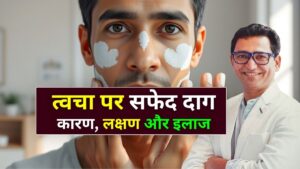
त्वचा पर सफेद दाग होने के कारण, शुरुआती संकेत - Skin Specialist in Indore Dr. Atul Kathed

त्वचा पर सफेद दाग होने के कारण, शुरुआती संकेत और इलाज की पूरी जानकारी

त्वचा पर सफेद दाग दिखाई देना कई लोगों के लिए चिंता और डर का कारण बन जाता है। अक्सर लोग इसे छूत की बीमारी समझ लेते हैं या गलत धारणाओं के कारण मरीज से दूरी बनाने लगते हैं। जबकि सच यह है कि “विटिलिगो” या सफेद दाग एक त्वचा संबंधी समस्या है, जो सही समय पर पहचान और इलाज से काफी हद तक नियंत्रित की जा सकती है। इंदौर के प्रसिद्ध स्किन स्पेशलिस्ट Dr. Atul Kathed के अनुसार, लोगों में जागरूकता की कमी के कारण त्वचा पर सफेद दाग बीमारी को लेकर कई मिथक फैल चुके हैं। सही जानकारी और समय पर उपचार से मरीज सामान्य जीवन जी सकता है। त्वचा पर सफेद दाग क्यों होते हैं? जब त्वचा को रंग देने वाली कोशिकाएं यानी मेलानोसाइट्स काम करना बंद कर देती हैं या नष्ट हो जाती हैं, तब त्वचा पर सफेद दाग बनने लगते हैं। इसे मेडिकल भाषा में विटिलिगो कहा जाता है। इसके पीछे कई कारण हो सकते हैं, जैसे: कई बार त्वचा पर सफेद दाग की समस्या परिवार में पहले से मौजूद होती है, इसलिए कुछ लोगों में इसका जोखिम अधिक हो सकता है। विटिलिगो ( त्वचा पर सफेद दाग) के शुरुआती लक्षण क्या हैं? शुरुआत में त्वचा पर छोटे-छोटे हल्के सफेद या गुलाबी धब्बे दिखाई देते हैं। ये धब्बे धीरे-धीरे बड़े हो सकते हैं। आमतौर पर यह चेहरे, हाथों, पैरों, होंठों या आंखों के आसपास दिखाई देते हैं। कुछ सामान्य शुरुआती संकेत इस प्रकार हैं: अगर समय रहते इन लक्षणों पर ध्यान दिया जाए, तो इलाज अधिक प्रभावी हो सकता है। इसलिए शुरुआती बदलाव नजर आते ही अनुभवी त्वचा विशेषज्ञ से सलाह लेना जरूरी है। शरीर में किस विटामिन की कमी से सफेद दाग होते हैं? कुछ रिसर्च में पाया गया है कि विटामिन B12, विटामिन D, फोलिक एसिड और कॉपर की कमी त्वचा की रंगत को प्रभावित कर सकती है। हालांकि केवल विटामिन की कमी ही विटिलिगो का मुख्य कारण नहीं होती। Best Dermatologist in India डॉ. अतुल काठेड बताते हैं कि संतुलित आहार, पर्याप्त पोषण और नियमित जांच त्वचा को स्वस्थ बनाए रखने में मदद करते हैं। इसलिए मरीजों को अपनी डाइट पर भी ध्यान देना चाहिए ताकि त्वचा पर सफेद दाग होने से बचा जा सके। क्या मछली और दूध पीने से त्वचा पर सफेद दाग होते हैं? यह एक बहुत पुरानी और गलत धारणा है कि मछली और दूध साथ खाने से सफेद दाग हो जाते हैं। मेडिकल साइंस में इसका कोई वैज्ञानिक प्रमाण नहीं मिला है। असल में, “त्वचा पर सफेद दाग” का संबंध शरीर की इम्यून प्रक्रिया और त्वचा की कोशिकाओं से होता है, न कि किसी विशेष खाद्य पदार्थ के मेल से। इसलिए लोगों को ऐसी अफवाहों पर विश्वास नहीं करना चाहिए। सफेद दाग धीरे-धीरे पूरे शरीर में क्यों फैल जाते हैं? यदि विटिलिगो का इलाज समय पर न किया जाए, तो यह शरीर के अन्य हिस्सों में फैल सकता है। कई बार तनाव, कमजोर इम्यून सिस्टम, धूप का अधिक प्रभाव या त्वचा की चोट इसके फैलने का कारण बन सकते हैं। हर मरीज में इसकी गति अलग-अलग होती है। कुछ लोगों में दाग वर्षों तक सीमित रहते हैं, जबकि कुछ में तेजी से बढ़ सकते हैं। इसलिए नियमित जांच और उपचार बेहद जरूरी है। क्या विटिलिगो से पीड़ित व्यक्ति के संपर्क में आने से विटिलिगो हो सकता है? नहीं, विटिलिगो कोई छूत की बीमारी नहीं है। किसी व्यक्ति को छूने, साथ बैठने, खाना खाने या कपड़े इस्तेमाल करने से यह नहीं फैलता। समाज में फैली इस गलतफहमी के कारण कई मरीज मानसिक तनाव का सामना करते हैं। हमें ऐसे लोगों के प्रति संवेदनशील और सहयोगी व्यवहार रखना चाहिए। जागरूकता बढ़ाना ही इस समस्या से लड़ने का सबसे अच्छा तरीका है। दांतों और नाखूनों पर सफेद धब्बे क्यों होते हैं? हर सफेद निशान विटिलिगो नहीं होता। कई बार दांतों या नाखूनों पर सफेद धब्बे पोषण की कमी, कैल्शियम की कमी, फंगल इंफेक्शन या चोट के कारण भी हो सकते हैं। यदि ऐसे धब्बे लंबे समय तक बने रहें या बढ़ने लगें, तो त्वचा विशेषज्ञ से जांच करवाना जरूरी है ताकि सही कारण का पता चल सके। त्वचा विशेषज्ञ विटिलिगो का इलाज कैसे करते हैं? आज के समय में विटिलिगो के कई आधुनिक उपचार उपलब्ध हैं। मरीज की स्थिति और दागों की गंभीरता के अनुसार इलाज तय किया जाता है। इलाज के कुछ सामान्य विकल्प हैं: इंदौर के प्रसिद्ध Skin Specialist in Indore, Dr. Atul Kathed, मरीज की त्वचा की स्थिति का सही मूल्यांकन करके व्यक्तिगत उपचार योजना तैयार करते हैं। सही इलाज और धैर्य के साथ कई मरीजों में त्वचा का रंग दोबारा सामान्य होने लगता है। सफेद दाग से बचाव के लिए क्या करें? निष्कर्ष “त्वचा पर सफेद दाग” एक सामान्य लेकिन संवेदनशील त्वचा समस्या है। सही जानकारी की कमी के कारण लोग डर और भ्रम का शिकार हो जाते हैं। यह बीमारी न तो छूत की है और न ही किसी के संपर्क में आने से फैलती है। अगर शुरुआती लक्षणों को पहचानकर समय पर इलाज शुरू किया जाए, तो इसे काफी हद तक नियंत्रित किया जा सकता है। इसलिए किसी भी प्रकार के सफेद दाग नजर आने पर बिना डर अनुभवी त्वचा विशेषज्ञ डॉ. अतुल काठेड से सलाह लें। सही मार्गदर्शन और उपचार के साथ आत्मविश्वास भरा जीवन पूरी तरह संभव है।

Read More
Treatment of Dry Lips Causes & Best Remedies

Treatment of Dry Lips: Causes, Symptoms & Best Ways to Heal Chapped Lips

Treatment of Dry Lips: Why Lips Become Dry, Dark & Irritated Dry, cracked lips are a common problem that affects people of all ages. Whether it is due to harsh weather, dehydration, illness, or unhealthy habits, dry lips can become painful and uncomfortable if ignored. Many people search for the right treatment of dry lips because simple lip dryness can sometimes lead to bleeding, irritation, and darkening of the lips. According to Dr. Atul Kathed, one of the best skin specialists in Indore, healthy lips require proper hydration, protection, and regular care. Since the skin on the lips is thinner than the skin on the rest of the body, it loses moisture quickly and becomes dry very easily. In this article, we will understand the causes, symptoms, and best treatment of dry lips while answering common questions related to lip health. What is the Function of Lips in Our Body? Lips play a very important role in our daily life. They help us speak clearly, eat properly, drink fluids, and express emotions through facial expressions. Lips are also highly sensitive because they contain many nerve endings. This sensitivity helps us feel temperature, texture, and touch. Unlike other parts of the skin, lips do not have oil glands. This is one of the main reasons they dry out quickly and need extra care and moisture. Why Do Lips Become So Dry in Summer? Summer heat can remove natural moisture from the lips very quickly. Excessive sweating, sun exposure, dehydration, and hot winds often damage the delicate skin of the lips. Some common reasons include: During summer, proper treatment of dry lips becomes essential because continuous dryness may lead to peeling and pain. Why Do Lips Become Dry During Illness? Many people notice dry lips when they are sick. Fever, cold, flu, and infections can reduce hydration levels in the body. Certain medicines also cause dryness as a side effect. When a person breathes through the mouth due to nasal congestion, lips lose moisture even faster. Weak immunity and lack of nutrition during illness can further worsen the condition. In such situations, the best treatment of dry lips includes staying hydrated, using a moisturizing lip balm, and avoiding spicy or salty foods that may irritate the lips. Why Are Lips So Dry Even After Drinking Water? Sometimes, people continue to experience dry lips even after drinking enough water. This happens because dehydration is not always the only cause. Other possible reasons include: In some cases, chronic dry lips may indicate underlying skin conditions like eczema or cheilitis. Consulting a dermatologist can help identify the exact cause and provide the correct treatment of dry lips. How to Heal Chapped Lips? Healing chapped lips requires gentle care and consistency. Here are some simple and effective tips: 1. Use a Hydrating Lip Balm Choose a lip balm containing ingredients like shea butter, beeswax, ceramides, or petroleum jelly. 2. Avoid Licking Your Lips Saliva evaporates quickly and makes lips even drier. 3. Drink Enough Water Hydration supports overall skin health and helps lips stay soft. 4. Protect Lips from Sun Exposure Use lip balms with SPF to prevent sun damage. 5. Exfoliate Gently A mild lip scrub once or twice a week can remove dead skin cells. Following these tips regularly can improve the treatment of dry lips naturally and effectively. Is Vaseline Good for Lips? Yes, Vaseline is considered helpful for dry lips because it creates a protective barrier that locks in moisture. It is especially useful during winter and extreme dryness. However, Vaseline itself does not hydrate the lips. It works best when applied after using a hydrating product or after drinking water. People with severe dryness may benefit from dermatologist-recommended medicated lip products for better treatment of dry lips. What Are the Reasons for Darkening of Lips? Dark lips can develop due to several reasons, including lifestyle habits and medical conditions. Common causes include: Sometimes, pigmentation increases because of long-term dryness and neglect. Proper lip care and professional treatment of dry lips can help improve lip texture and appearance over time. Why Do Lips Tingle? A tingling sensation on the lips may occur due to dryness, irritation, allergies, or infections. Some people experience tingling before developing cold sores or fever blisters. Other causes may include: If tingling continues for a long time or becomes painful, it is best to consult a dermatologist for proper diagnosis and treatment. What Techniques Do Dermatologists Use to Improve Lips? Modern dermatology offers several advanced solutions for improving lip health and appearance. Dr. Atul Kathed, known for providing expert skin and lip care treatments in Indore, recommends customized treatments depending on the condition of the lips. Some common dermatologist techniques include: Lip Hydration Therapy Special treatments deeply moisturize and repair damaged lips. Chemical Peels Mild peels help reduce pigmentation and improve lip texture. Laser Treatment Laser procedures can brighten dark lips and improve uneven tone. Medicated Creams Dermatologists may prescribe creams for severe dryness, infections, or inflammation. Lip Fillers For people looking for fuller lips, fillers can enhance shape and volume safely when performed by experienced professionals. These professional methods provide advanced treatment of dry lips and help restore healthy, smooth lips. Final Thoughts Dry lips may seem like a small problem, but they can become painful and affect confidence if left untreated. Weather changes, dehydration, illness, and unhealthy habits are some of the major reasons behind lip dryness and irritation. Simple daily care, hydration, and the right products can help maintain healthy lips. However, if dryness becomes severe, persistent, or causes pigmentation and pain, professional help is important. Dr. Atul Kathed, one of the best dermatologists in Indore, suggests early care and proper skincare routines for effective treatment of dry lips and long-lasting lip health. By understanding the causes and following the right treatment methods, you can keep your lips soft, healthy, and naturally beautiful.

Read More
Hives on the Skin Causes, Symptoms, Treatment & Prevention in Women

Hives on the Skin: Causes, Symptoms, Treatment & Prevention in Women

Hives, also known as urticaria, are a common skin condition that can affect women at any age. These itchy, red, raised welts can appear suddenly and often cause discomfort or concern. Many patients visiting Dr. Atul Kathed, the best skin specialist in Indore, often ask why they are experiencing hives on the skin and how to manage them effectively. This article will help you understand the causes, triggers, treatment, and prevention of hives in a simple and practical way. What are the causes of hives in adult women? The causes of hives on the skin in adult women can vary from person to person. In many cases, the exact cause may not be easily identified, but common reasons include: According to Dr. Atul Kathed, many women experience hives due to a combination of internal and external triggers rather than a single cause. What foods can cause hives on the skin? Food allergies are one of the most common triggers of hives on the skin. Certain foods can release histamine in the body, leading to itching and swelling. Common food triggers include: If you notice recurring hives after eating certain foods, it is important to consult a dermatologist or allergist for proper evaluation. Can extreme stress cause hives on the skin? Yes, stress can play a significant role. Emotional stress and anxiety can trigger or worsen hives on the skin. When you are stressed, your body releases chemicals that can make your skin more sensitive and reactive. Many working women or homemakers dealing with high stress levels may suddenly develop hives without any visible allergy. Stress-related hives often come and go depending on emotional health. Managing stress through relaxation techniques, proper sleep, and lifestyle changes can help reduce flare-ups. Can hormonal changes cause hives on women’s skin? Hormonal fluctuations are another important factor, especially in women. Changes during: can trigger hives on the skin in some individuals. Dr. Atul Kathed explains that hormonal imbalance can make the immune system more reactive, increasing the chances of skin allergies like hives. Is hives a contagious disease that spreads from person to person? No, hives are not contagious. They do not spread from one person to another through touch, air, or sharing items. This is a common myth among patients. Hives are usually a reaction of your own body to certain triggers, not an infection that can be passed on. What is the treatment for hives on the skin? The treatment for hives on the skin depends on the severity and cause. The main goal is to reduce itching, swelling, and prevent recurrence. Common treatment options include: Dr. Atul Kathed emphasizes that self-medication should be avoided, especially if hives are frequent or severe. Proper diagnosis is key to effective treatment. How long does it take for hives to heal? The duration of hives can vary depending on the type: In most mild cases, hives on the skin disappear quickly with proper care. However, if they keep recurring or last longer, medical attention is necessary. Tips to Prevent Hives in Women Preventing hives is possible if you identify your triggers early. Here are some simple tips: Regular consultation with a dermatologist can help manage chronic conditions effectively. Final Thoughts Hives may look alarming, but they are usually manageable with the right approach. Understanding the causes, identifying triggers, and following proper treatment can help you control hives on the skin effectively. If you are experiencing frequent or severe hives, it is always best to consult an expert like Dr. Atul Kathed, the best skin specialist in Indore, for accurate diagnosis and personalized care. Early treatment not only provides relief but also prevents future complications.

Read More
Everyday Habits That Are Damaging The Skin Diet, Bathing, Sugar, and Sun Exposure

Everyday Habits That Are Damaging The Skin: Diet, Bathing, Sugar, and Sun Exposure

Healthy skin is not just about using expensive products or visiting salons regularly. In many cases, everyday lifestyle choices play a major role in how your skin looks and feels. Many people unknowingly follow habits that slowly damage their skin over time. In India, factors like hot weather, pollution, oily food, and irregular routines can make skin issues more common. According to the Best Doctor in Indore, Dr. Atul Kathed, understanding and correcting daily habits is one of the most effective ways to maintain healthy and glowing skin. Let’s answer some common questions and understand how daily habits affect your skin. How Does Excess Oil in Food Harm Our Skin? Oily and fried foods are very common in Indian diets. While they may taste delicious, consuming them regularly can negatively affect your skin. Excess oil in food can increase inflammation in the body, leading to acne, oily skin, and dullness. It can also disturb digestion, which further impacts skin health. The Best Doctor in Indore often advises patients to limit fried foods and focus on balanced nutrition for better skin. What you can do: Why Does an Upset Stomach Harm the Skin? There is a strong connection between gut health and skin health. If your digestion is not proper, your skin may reflect it through acne, dullness, or irritation. An upset stomach can prevent proper absorption of nutrients, which are essential for healthy skin. According to the Best Doctor in Indore, improving gut health is a key step in treating many skin concerns naturally. What you can do: Does Regular Bathing Harm the Skin? Bathing daily is important, especially in India’s climate. However, over-bathing or using very hot water can strip the skin of its natural oils. This can lead to dryness, irritation, and sensitivity. The Best Doctor in Indore recommends maintaining a balanced bathing routine to protect the skin barrier. What you can do: Is It Okay to Use Regular Soap While Bathing? Not all soaps are suitable for every skin type. Many regular soaps contain harsh ingredients that can dry out the skin. If your skin feels tight or itchy after bathing, your soap may not be suitable for you. The Best Doctor in Indore suggests choosing mild and skin-friendly cleansers, especially for sensitive skin. What you can do: How to Keep Skin Moisturized in Summer Many people skip moisturizer during summer, thinking it will make their skin oily. However, lack of hydration can actually make the skin worse. Hot weather, sweating, and frequent washing can dry out the skin. The Best Doctor in Indore recommends using a lightweight moisturizer even during summer. What you can do: Can Skin Be Improved by Reducing Sugar? Yes, reducing sugar can help improve skin health. Excess sugar can increase inflammation and may worsen acne and dullness. It can also affect collagen over time, which is important for maintaining youthful skin. The Best Doctor in Indore often suggests reducing sugar intake for better overall skin quality. What you can do: How to Protect Skin from Sun Damage Sun exposure is one of the biggest causes of skin damage in India. It can lead to tanning, pigmentation, and premature aging. Protecting your skin from the sun is essential. The Best Doctor in Indore emphasizes daily sun protection as a must for healthy skin. What you can do: Final Thoughts Your daily habits have a direct impact on your skin. Small changes in diet, bathing routine, sugar intake, and sun protection can bring noticeable improvements. Instead of only relying on products, focus on building healthy habits. And if you are facing persistent skin issues, consulting an expert like the Best Doctor in Indore, Dr. Atul Kathed, can help you get the right guidance and treatment. Healthy skin starts with healthy habits.

Read More
Skin Growths on the Body Causes & Treatment

Skin Growths on the Body: Causes, Symptoms, and Removal Options

Not every bump, tag, or wart-like spot on the skin is something to fear—but it should never be ignored either. Skin Growths on the Body are a common concern seen in people of all ages. These growths may appear as tiny raised bumps, rough patches, soft hanging skin, or wart-like lesions on areas such as the neck, underarms, back, arms, and face. While many are harmless, some may indicate infection, friction-related skin changes, or underlying hormonal imbalance. According to skin specialist Dr. Atul Kathed, understanding the cause behind these growths is the first step toward safe and effective treatment. In this article, we will explain the common reasons, symptoms, and best removal options for Skin Growths on the Body in a simple and public-friendly way. What Are Wart-Like Growths on the Skin? Wart-like growths are small raised lesions that can appear rough, thick, soft, or uneven on the skin surface. Some may look like tiny skin-colored bumps, while others may appear darker or feel harder when touched. Many people confuse all such growths with “warts,” but in reality, they can include: This is why proper diagnosis is important. Not all Skin Growths on the Body are the same, and treatment depends on what the growth actually is. What Causes Wart-Like Growths on the Skin? There is no single reason behind wart-like growths. Different skin conditions can create similar-looking bumps. Some of the most common causes include: As Skin Specialist in Indore Dr. Atul Kathed often explains, many Skin Growths on the Body may appear harmless initially, but self-diagnosis can be misleading. A dermatologist can identify whether the growth is infectious, friction-related, or something else entirely. Why Do Skin Growths Develop? Skin growths develop when there is an overgrowth of skin cells, thickening of tissue, viral activity, or repeated irritation. In simple terms, the skin reacts to internal or external triggers by forming a visible bump or lesion. Some people may develop these growths because of: This is why Skin Growths on the Body are often seen in areas where the skin is exposed to friction, moisture, or repeated pressure. Do Hormonal Changes Lead to Skin Growths? Yes, in many cases, hormonal changes can contribute to the appearance of certain skin growths. Hormonal imbalance can affect the way skin cells behave and may increase the tendency to develop: These changes are often noticed during: Advice from Indore dermatologist Dr. Atul Kathed that if a person suddenly notices multiple Skin Growths on the Body, especially around the neck or underarms, it may be wise to evaluate not just the skin—but also possible internal triggers like hormones or metabolism. Why Do Skin Growths Commonly Appear on the Back of the Neck and Arms? The back of the neck and arms are common sites because these areas are often exposed to friction, sweat, and repeated movement. Tight clothing, collars, jewelry, heat, and rubbing can all irritate the skin over time. The neck area, in particular, is also linked with: Similarly, the arms may develop wart-like or rough growths due to sun exposure, dry skin, repeated irritation, or viral spread through scratching. That is why Skin Growths on the Body often show up in these high-friction or high-contact areas first. Can Skin Growths Become Hard Over Time? Yes, some skin growths can become hard, rough, or thicker over time—especially if they are left untreated or repeatedly irritated. Growths that are constantly rubbed by clothing, scratched, or exposed to friction may develop a firmer surface. A skin growth may harden because of: However, not every hard growth is harmless. If a lesion changes in shape, color, size, or texture, it should be examined by a dermatologist. Dr. Atul Kathed recommends that any unusual Skin Growths on the Body should be assessed early rather than treated with random home remedies. What Is the Best Treatment for Removing Skin Growths? The best treatment depends entirely on the type of skin growth. There is no one-size-fits-all solution. A dermatologist first identifies whether the lesion is a wart, skin tag, keratosis, or another benign growth before deciding the right removal method. Common treatment options include: 1. Laser Removal A precise and modern option often used for selected skin growths. 2. Radiofrequency or Electrocautery Helpful for removing raised lesions safely with minimal bleeding. 3. Cryotherapy This method uses controlled freezing and is often used for certain warts. 4. Minor Procedure / Excision Some growths may need to be carefully cut or removed under medical supervision. 5. Medical Treatment If the growth is viral or related to skin thickening, topical treatment may also be advised. Dr. Atul Kathed emphasizes that Skin Growths on the Body should never be picked, cut, or burned at home, as this can lead to infection, scarring, or recurrence. Final Thoughts Although many Skin Growths on the Body are non-cancerous and treatable, it is always best to get them checked if they are increasing, becoming painful, changing color, or causing cosmetic discomfort. Early diagnosis can prevent unnecessary worry and ensure the right treatment at the right time. If you notice unusual wart-like bumps, rough growths, or hanging lesions on your skin, consult a qualified dermatologist like Dr. Atul Kathed for proper evaluation and safe removal. Healthy skin begins with the right information—and the right care.

Read More
महिलाओं के चेहरे पर अनचाहे बाल क्यों आते हैं कारण और आसान समाधान

महिलाओं के चेहरे पर अनचाहे बाल क्यों आते हैं? कारण, लक्षण और हटाने के तरीके

आज के समय में चेहरे पर अनचाहे बाल (Facial Hair) महिलाओं के लिए एक आम लेकिन परेशान करने वाली समस्या बन गई है। खासकर जब यह बाल ठोड़ी (chin), upper lip या साइड फेस पर दिखने लगते हैं, तो आत्मविश्वास भी प्रभावित होता है। Indore के प्रसिद्ध त्वचा विशेषज्ञ Skin Specialist in Indore डॉ. अतुल काठेड के अनुसार, इस समस्या को समझना और सही समय पर इलाज करना बहुत जरूरी है। आइए जानते हैं इसके कारण, लक्षण और प्रभावी समाधान। महिलाओं के चेहरे पर बाल क्यों आते हैं? महिलाओं में अनचाहे चेहरे के बालों का मुख्य कारण हार्मोनल परिवर्तन है। महिलाओं में आमतौर पर एस्ट्रोजन हार्मोन का स्तर अधिक होता है, लेकिन जब एंड्रोजन (पुरुष हार्मोन) का स्तर बढ़ता है, तो चेहरे पर बाल उगने लगते हैं। लड़कियों के फेस पर अनचाहे बाल आने के मुख्य कारण क्या हार्मोनल असंतुलन से चेहरे पर बाल आ सकते हैं? हाँ, बिल्कुल। हार्मोनल imbalance होने पर androgen level बढ़ जाता है, जिससे चेहरे पर अनचाहे बाल उगने लगते हैं। यह समस्या खासकर puberty, pregnancy या menopause के दौरान ज्यादा देखी जाती है। चेहरे पर बाल किसकी कमी से आते हैं? कई बार कुछ पोषक तत्वों की कमी भी इस समस्या को बढ़ा सकती है, जैसे: हालांकि ये मुख्य कारण नहीं हैं, लेकिन इनकी कमी शरीर के हार्मोनल संतुलन को प्रभावित कर सकती है, जिससे चेहरे पर अनचाहे बालों की वृद्धि हो सकती है। क्या PCOS या थायरॉयड से facial hair बढ़ता है? जी हाँ। इसलिए अगर आपको लगातार चेहरे पर अनचाहे बाल बढ़ते हुए दिखें, तो देरी न करें, अपने नजदीकी त्वचा विशेषज्ञ से संपर्क करें जो आपको सही मार्गदर्शन दे सकते हैं और Unwanted Hair से बचने में आपकी मदद कर सकते हैं। चिन (ठोड़ी) और upper lip पर बाल आने के कारण ठोड़ी और upper lip पर बाल आने के पीछे मुख्य कारण हैं: इन जगहों पर बाल अक्सर घने और गहरे रंग के उगते हैं, जिससे समस्या और भी स्पष्ट हो जाती है। यही कारण है कि कई महिलाएं चेहरे के अनचाहे बालों को हटाने के लिए बार-बार अलग-अलग तरीके अपनाती हैं। क्या genetics से भी चेहरे पर बाल आते हैं? हाँ, genetics एक महत्वपूर्ण भूमिका निभाता है। अगर आपकी मां या परिवार की अन्य महिलाओं को यह समस्या रही है, तो आपको भी शरीर पर अनचाहे बाल होने की संभावना बढ़ जाती है। Facial hair और open pores का क्या संबंध है? जब skin पर hair growth ज्यादा होती है, तो pores भी बड़े दिखाई देने लगते हैं। इसके अलावा: इन सब कारणों से pores और भी ज्यादा open दिखने लगते हैं। इसलिए सही skincare और treatment जरूरी है। चेहरे के अनचाहे बाल हटाने के सुरक्षित और effective तरीके अगर आप चेहरे पर अनचाहे बाल हटाना चाहती हैं, तो ये तरीके अपनाए जा सकते हैं: 1. थ्रेडिंग और वैक्सिंग यह temporary solutions हैं, लेकिन sensitive skin में irritation हो सकता है। 2. Laser Hair Removal यह एक advanced और long-term solution है। Dr. Atul Kathed के अनुसार, लेज़र ट्रीटमेंट बालों की जड़ों को कमजोर कर देता है, जिससे धीरे-धीरे शरीर पर अनचाहे बाल कम हो जाते हैं। 3. Electrolysis यह method बालों की जड़ को permanently destroy करता है, लेकिन थोड़ा time-consuming होता है। 4. Medications Hormonal imbalance होने पर डॉक्टर दवाइयां prescribe कर सकते हैं। 5. Proper Skincare क्या facial hair को permanently खत्म किया जा सकता है? पूरी तरह permanently खत्म करना मुश्किल हो सकता है, लेकिन इसे काफी हद तक कम किया जा सकता है। इन सबकी मदद से चेहरे पर अनचाहे बाल को लंबे समय तक control में रखा जा सकता है। निष्कर्ष (Conclusion) चेहरे पर अनचाहे बाल एक आम लेकिन संवेदनशील समस्या है, जिसे नजरअंदाज नहीं करना चाहिए। इसके पीछे हार्मोनल असंतुलन, PCOS, genetics या अन्य कारण हो सकते हैं। सही जानकारी और सही ट्रीटमेंट से इस समस्या को कंट्रोल किया जा सकता है। अगर आप भी इस समस्या से परेशान हैं, तो समय रहते किसी विशेषज्ञ से सलाह लेना जरूरी है। इंदौर में Best Skin Specialist in Indore Dr. Atul Kathed से परामर्श लेकर आप सुरक्षित और प्रभावी उपचार पा सकते हैं और अपनी स्किन को फिर से खूबसूरत बना सकते हैं।

Read More
Top 10 Summer Fruits for Glowing Skin – Learn from Dermatologist Dr. Atul Kathed

Top 10 Summer Fruits for Glowing Skin – Learn from Dermatologist Dr. Atul Kathed

10 Summer Fruits for Glowing Skin Summer in India can be harsh on the skin. Strong sunlight, dehydration, pollution, and heat often lead to dullness, tanning, acne, and early signs of aging. While many people focus on skincare products, dermatologists often emphasize that healthy skin begins with proper nutrition. One of the simplest and most natural ways to nourish your skin is by adding the right fruits to your daily diet. According to Dr. Atul Kathed, Skin Specialist in Indore, seasonal fruits are packed with vitamins, antioxidants, and water content that help keep the skin hydrated, clear, and naturally glowing. Including summer fruits for glowing skin in your daily routine can significantly improve skin health from the inside out. Let’s understand how fruits help your skin and explore the best options for the summer season. What Are the Health Benefits of Fruits for Glowing Skin? Fruits are often called nature’s skincare because they contain essential nutrients that support skin repair and protection. Many dermatologists recommend summer fruits for glowing skin because they help the body stay hydrated while supplying vital vitamins. Here are some key benefits of fruits for healthy and glowing skin: 1. Hydration for Healthy Skin Many summer fruits contain a high percentage of water, which helps maintain skin hydration. Proper hydration prevents dryness, flakiness, and dullness. Hydrated skin also appears smoother and more radiant. 2. Rich Source of Antioxidants Fruits like berries and mangoes are rich in antioxidants. These compounds protect the skin from free radical damage caused by sun exposure and pollution. Antioxidants also slow down early aging signs like wrinkles and fine lines. 3. Vitamin C for Bright Skin Vitamin C is essential for collagen production, which keeps the skin firm and youthful. Citrus fruits and berries are excellent summer fruits for glowing skin because they support collagen formation and improve skin brightness. 4. Natural Detoxification Fruits help flush toxins from the body, which can reduce acne breakouts and skin inflammation. A clean digestive system often reflects as clearer skin. 5. Supports Skin Repair Many fruits contain vitamins A and E, which help repair damaged skin cells and improve overall skin texture. As Dr. Atul Kathed, Skin Specialist in Indore, explains, a balanced diet that includes summer fruits for glowing skin can work alongside skincare treatments to maintain long-term skin health. Top 10 Summer Fruits for Glowing Skin Here are some of the best fruits that dermatologists often recommend for healthy and glowing skin during the summer season. 1. Watermelon Watermelon is one of the most hydrating fruits available in summer. It contains more than 90% water, which helps keep the skin moisturized and refreshed. It also contains vitamins A and C that promote healthy skin. 2. Mango Mango is known as the “king of fruits,” and it also supports glowing skin. It contains beta-carotene and vitamin C, which improve skin texture and enhance natural radiance. 3. Papaya Papaya contains natural enzymes like papain that help remove dead skin cells. Regular consumption of papaya can improve skin clarity and reduce pigmentation. 4. Orange Oranges are rich in vitamin C, which supports collagen production and improves skin brightness. They are among the most recommended summer fruits for glowing skin because they help maintain youthful skin. 5. Pineapple Pineapple contains bromelain, an enzyme known for reducing inflammation and supporting skin healing. It also helps maintain clear skin and improves digestion. 6. Strawberries Strawberries are rich in antioxidants and vitamin C. They help protect the skin from sun damage and promote an even skin tone. 7. Pomegranate Pomegranate supports blood circulation and helps skin cells regenerate faster. It also helps improve skin elasticity and natural glow. 8. Muskmelon (Cantaloupe) Muskmelon is another highly hydrating fruit that helps maintain skin moisture during hot weather. It also contains vitamin A, which supports skin renewal. 9. Kiwi Kiwi contains high levels of vitamin C and vitamin E, both essential for healthy skin. These nutrients help maintain skin elasticity and reduce dullness. 10. Grapes Grapes contain powerful antioxidants like resveratrol that protect the skin from environmental damage and premature aging. Including these summer fruits for glowing skin in your diet can naturally enhance skin health while keeping your body cool during the hot season. Tips to Get Maximum Skin Benefits from Summer Fruits To make the most of summer fruits for glowing skin, dermatologists recommend following a few simple habits: According to Dr. Atul Kathed, Skin Specialist in Indore, healthy eating habits combined with proper skincare routines can significantly improve skin appearance and prevent common summer skin problems. Final Thoughts Healthy skin does not depend only on creams or treatments. What you eat plays a major role in maintaining your skin’s natural glow. Including summer fruits for glowing skin in your daily diet can provide hydration, essential vitamins, and antioxidants that help protect and repair your skin. If you are experiencing persistent skin concerns such as dullness, acne, or pigmentation, consulting a dermatologist can help identify the right treatment and skincare plan. As recommended by Dr. Atul Kathed, Skin Specialist in Indore, combining professional skin care advice with a nutrient-rich diet that includes summer fruits for glowing skin is one of the most effective ways to achieve naturally healthy and radiant skin.

Read More
Rosacea on the face - Dermatologist Dr. Atul Kathed

Rosacea on the Face: Causes, Triggers, Myths & Best Treatment Options – By Dermatologist Dr. Atul Kathed

Skin redness that refuses to go away can often be confusing and frustrating. Many people mistake it for pimple acne, allergy, or sunburn, but in many cases, it could actually be rosacea on the face. This common but often misunderstood skin condition mainly affects adults and can gradually worsen if ignored. According to dermatologist Dr. Atul Kathed, early awareness and the right treatment can help control the condition and prevent complications. Understanding the causes, triggers, myths, and treatment options for rosacea can help people manage facial rosacea more effectively. What is Rosacea on the Face? Rosacea is a chronic inflammatory skin condition that usually affects the cheeks, nose, chin, and forehead. People with rosacea on the face often experience persistent redness, visible blood vessels, and sometimes small acne-like bumps. The condition usually appears after the age of 30 and can come and go in flare-ups. In the beginning, redness may appear occasionally, but over time it may become constant if proper care is not taken. What Causes Rosacea on the Face? The exact cause of facial rosacea isn’t fully understood, but dermatologists believe several factors may combine to trigger it. Some common causes include: As explained by Dr. Atul Kathed, identifying personal triggers is important because every individual with rosacea on the face may react differently. Why Does Rosacea Spread So Quickly? Many patients notice that redness spreads quickly from one area to another. This happens because rosacea affects the skin’s blood vessels and inflammatory response. Some factors that may cause rosacea on the face to worsen quickly include: When these triggers repeatedly irritate the skin, inflammation increases and symptoms may spread across the cheeks, nose, or chin. Does Unhealthy Eating Cause Rosacea? Diet alone doesn’t directly cause facial rosacea, but certain foods can aggravate the condition in people who already have it. Common food triggers include: These foods may increase blood flow to the face, leading to flushing and redness. Dermatologist in indore Dr. Atul Kathed often recommends maintaining a balanced diet and observing which foods worsen symptoms. Can Long-Term Rosacea Damage the Skin? Yes, if untreated for a long time, rosacea on the face can gradually lead to noticeable skin changes. Possible complications include: In severe cases, the nose may become enlarged due to tissue thickening, a condition known as rhinophyma. However, early treatment and proper skin care can prevent such complications. Is It Okay to Use Soap on Rosacea? People with rosacea on the face should be very careful about the products they use on their skin. Regular soaps often contain fragrances, chemicals, or strong ingredients that may irritate sensitive skin. Dermatologists usually recommend: Using gentle skin care products helps reduce irritation and prevents flare-ups. Can Rosacea Spread Through Contact With an Infected Person? A common myth is that facial rosacea is spread through physical contact. This is completely false. Rosacea is not contagious. It cannot spread by touching, sharing towels, or being in contact with someone who has the condition. It is a chronic inflammatory skin disorder, not an infection. Spreading awareness about this fact is important because many people feel embarrassed or socially uncomfortable due to this misconception. What is the Best Treatment for Rosacea? The best treatment for facial rosacea depends on the severity of the condition. Since rosacea is a long-term skin condition, the goal of treatment is to control symptoms and prevent flare-ups. Dermatologists may recommend: 1. Prescription Creams and Gels Topical medications help reduce redness, inflammation, and acne-like bumps. 2. Oral Medications In moderate to severe cases, oral medicines may be prescribed to control inflammation. 3. Laser or Light Therapy Advanced dermatological procedures can reduce visible blood vessels and persistent redness. 4. Lifestyle Changes Avoiding personal triggers such as sun exposure, spicy food, alcohol, and stress can significantly reduce symptoms. According to Dr. Atul Kathed, early consultation with a dermatologist helps patients manage rosacea on the face effectively and prevents long-term skin damage. Can Rosacea Be Permanently Cured? One of the most searched questions on Google is whether rosacea can be permanently cured. The answer is that rosacea is a chronic condition, which means it may not disappear completely. However, with proper medical treatment and lifestyle adjustments, symptoms can be controlled very well. Many patients live comfortably for years without major flare-ups once they follow the right skin care routine and medical advice. When Should You See a Dermatologist? If you notice persistent redness, burning sensation, visible blood vessels, or acne-like bumps on your face, it is important to consult a dermatologist. Early diagnosis can prevent worsening symptoms and improve treatment outcomes. Experienced dermatologist like Dr. Atul Kathed carefully evaluate the skin and design a personalized treatment plan to control rosacea on the face and restore healthy-looking skin. Final Thoughts Although rosacea on the face is a chronic condition, it can be successfully managed with the right medical care and lifestyle adjustments. Understanding the causes, avoiding triggers, and following a dermatologist-recommended skin care routine can make a significant difference. Public awareness is essential because many people ignore early symptoms or misunderstand the condition. If you notice persistent facial redness or sensitivity, seeking timely advice from a dermatologist in indore Dr. Atul Kathed can help you protect your skin and maintain long-term skin health.

Read More
What Causes Acne on the Face - Best Acne Doctor in Indore

What Causes Acne on the Face? Known from the Best Acne Doctor in Indore

Why Do We Get Acne on Different Body Parts? Known from the Best Acne Doctor in Indore Acne is one of the most common skin problems in India, affecting teenagers, young adults, and even people in their 30s and 40s. Due to changing lifestyles, food habits, pollution, and stress, acne cases are rising rapidly in urban as well as semi-urban areas. According to Dr. Atul Kathed, a trusted skin specialist from Indore, understanding the real causes of acne is the first step toward long-term skin health. In this article, we explain acne in simple language for public awareness, based on Indian skin types and daily habits, as explained by the best acne doctor in Indore. What Are the Main Reasons for the Increase in Acne in India? The number of acne patients in India has increased due to multiple modern lifestyle factors. High consumption of oily, spicy, and junk food, excessive intake of sugary drinks, irregular sleep, and constant stress disturb hormonal balance. Pollution and dust clog skin pores, while overuse of cosmetic products blocks oil glands. The best acne specialist in Indore often observes that self-medication and skin care trends popular on social media make acne worse instead of curing it. What Causes Acne on the Face? Facial acne mainly develops when oil (sebum), dead skin cells, and bacteria block the pores. Hormonal changes during puberty, menstrual cycles, or stress increase oil production. Touching the face frequently, using unclean mobile phones, and applying heavy makeup are common Indian habits that trigger acne. As advised by the best acne specialist in Indore, proper cleansing and medical guidance are more effective than just home remedies. Why Are There More Acne on Oily Skin? People with oily skin naturally produce more sebum, which easily clogs pores. In hot and humid Indian weather, sweat mixes with oil, creating the perfect environment for acne-causing bacteria. This is why oily skin individuals often experience frequent breakouts. The best acne specialist in Indore recommends adopting an oil control routine suited for Indian skin instead of harsh face washes, as harsh face washes damage the protective layer of the skin. Why Do Boys Have More Acne on Their Faces? Boys generally experience more acne due to higher testosterone levels, which stimulate oil glands. Excessive sweating, outdoor activities, and delayed skincare habits also play a role. Shaving with unclean razors or poor shaving techniques can further irritate the skin. According to the best acne specialist in Indore, early treatment can prevent acne scarring that usually affects young men. What Causes Acne on the Neck? Neck acne is often caused by friction, sweat, and clogged pores. Tight collars, scarves, helmet straps, and long hair touching the neck trap oil and bacteria. In India, humid climate and poor air circulation worsen the problem. The best acne doctor in Indore, Dr. Atul Kathed recommends wearing breathable clothes and regularly cleaning the areas affected by sweat. Why Do We Get Acne on the Chest? Chest acne occurs due to excessive sweating, tight synthetic clothes, and improper hygiene. Gym workouts without showering immediately, or using heavy body lotions, can clog chest pores. Many people ignore chest acne until it becomes painful. The best acne doctor in Indore emphasizes treating body acne with the same seriousness as facial acne. Why Do We Get Acne on the Buttocks? Buttock acne is common but rarely discussed openly. It is usually caused by prolonged sitting, tight jeans, poor ventilation, and bacterial growth. Though not always true acne, these bumps need proper diagnosis. As advised by the best acne doctor in Indore, avoiding friction and maintaining hygiene helps prevent recurrence. When Do Acne Go Away on the Face? Acne duration varies from person to person. Mild acne may settle within weeks, while hormonal or cystic acne can last for years without treatment. Many people wait for acne to “go away on its own,” which often leads to scars. The best acne doctor in Indore strongly recommends early medical intervention for faster and safer results. Why Does Acne Cause Black Spots on the Face? Black spots after acne are known as post-inflammatory hyperpigmentation. When acne heals, it leaves behind excess melanin, especially in Indian skin tones. Picking or squeezing pimples increases these marks. The best acne doctor in Indore explains that proper treatment not only clears acne but also reduces long-term pigmentation. Final Thoughts Acne is not just a cosmetic issue—it affects confidence, mental health, and quality of life. With rising cases across India, awareness and expert care are essential. Instead of experimenting with random products, consulting the best acne doctor in Indore, like Dr. Atul Kathed, ensures accurate diagnosis and personalized treatment.

Read More

Faq

Frequently Asked Questions

Dr. Atul Kathed practices at CARE CHL Hospitals, Indore

You can Book an appointment with Dr. Atul Kathed through the doctor profile on CARE Hospitals website or simply call +91-40 6810 6585.

Dr. Atul Kathed has the following Qualifications:

  • MBBS
  • DVE

Call +91 9826014164 to book an appointment with the doctor.

Dr. Atul Kathed has an overall experience of 25 years.

Dr. Atul Kathed specialisations include:

  • Contact dermatitis
  • Vitiligo
  • Aesthetic dermatology

Dr. Atul Kathed can speak Hindi & English. Call +91 9826014164 to book an appointment with the doctor.