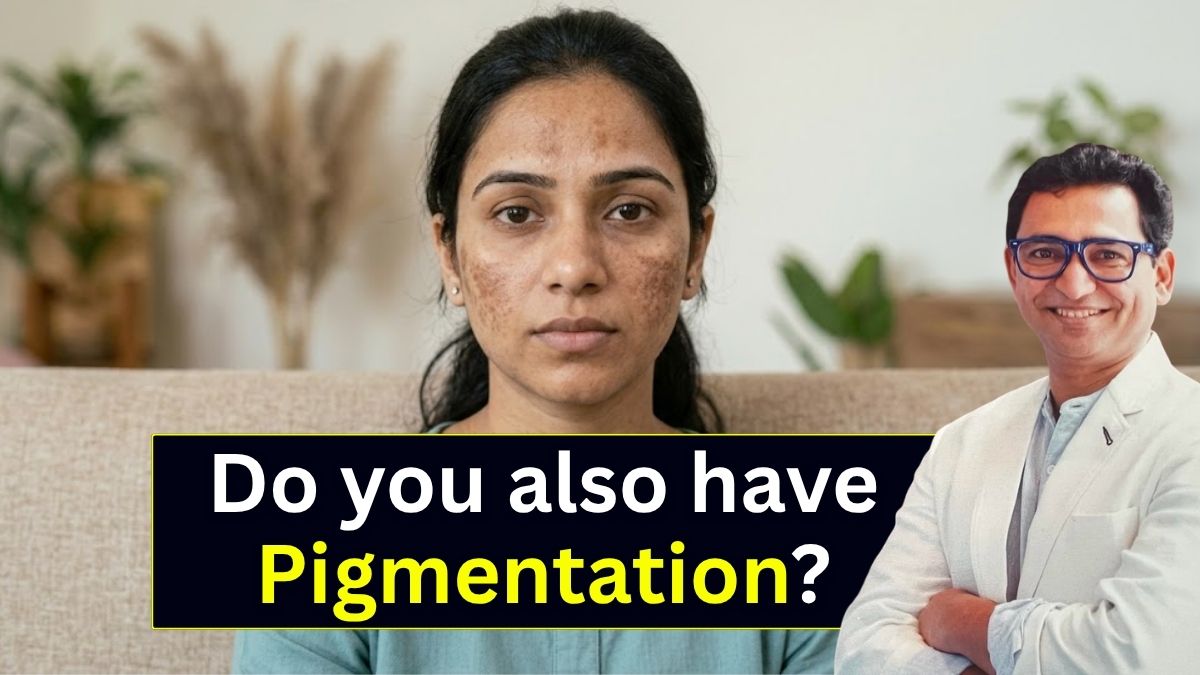
Pigmentation is a common skin concern in which certain areas of the skin become darker or develop an uneven skin tone. It can appear on the face, forehead, cheeks, around the mouth, neck, hands, or other parts of the body.
While pigmentation is usually not dangerous, it can affect a person’s confidence and may sometimes indicate an underlying skin condition. Consulting Dr. Atul Kathed, a pigmentation specialist in Indore, can help identify the root cause of the problem and determine the right treatment.

What Is the Main Cause of Pigmentation?
Pigmentation occurs when the skin produces or deposits excess melanin, the natural pigment responsible for skin colour. One of the most common triggers is prolonged exposure to sunlight. Ultraviolet (UV) rays can stimulate melanin production and make existing pigmentation darker.
Other possible causes include acne or injury to the skin, hormonal changes, inflammation, certain medications, and some skin conditions. The cause can differ from person to person, which is why a proper skin assessment is important.
Dr. Atul Kathed, pigmentation specialist in Indore, recommends identifying the underlying trigger rather than simply trying to lighten the visible dark patches.
Can Lifestyle Factors Cause Pigmentation?
Yes, certain lifestyle habits can contribute to pigmentation or make it more noticeable. Frequent sun exposure without adequate protection, spending long periods outdoors, irregular skincare, and repeatedly irritating the skin may worsen uneven pigmentation.
Stress and poor sleep do not directly cause every type of pigmentation, but maintaining an unhealthy routine can affect overall skin health. Using harsh skincare products or repeatedly rubbing and scratching the skin can also lead to irritation followed by darkening.
Sun protection is particularly important. Regular use of sunscreen, protective clothing, hats, and avoiding unnecessary direct sun exposure can help prevent pigmentation from becoming darker.
Can Pigmentation Also Be Caused by Genetic Factors?
Yes. Genetics can influence a person’s tendency to develop certain pigmentation conditions. Some individuals may naturally be more prone to freckles, melasma, or other pigment-related concerns because of their genetic background.
However, genetics is only one factor. Hormones, sunlight, skin inflammation, medications, and environmental exposure may also influence pigmentation. If dark patches continue to appear or change over time, it is advisable to consult a pigmentation specialist in Indore for an accurate evaluation.
Can a Dermatologist Remove Pigmentation?
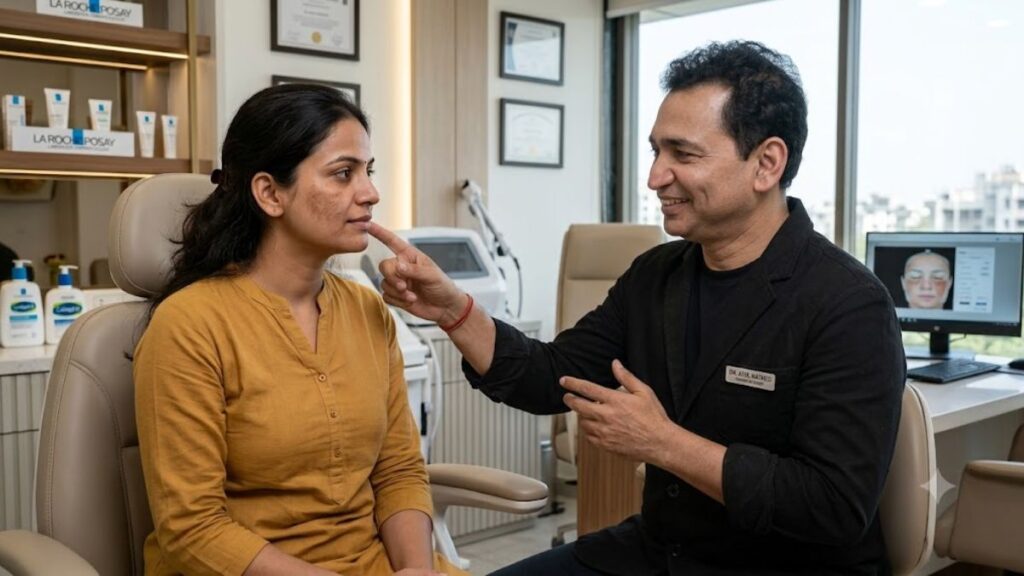
A dermatologist can diagnose the type and possible cause of pigmentation and recommend treatment based on the individual’s skin condition. Treatment may help significantly reduce pigmentation, but results vary depending on its depth, cause, duration, and the patient’s skin type.
Dr. Atul Kathed, pigmentation specialist in Indore, can assess whether the pigmentation is superficial or deeper and whether it is related to conditions such as melasma, post-inflammatory pigmentation, or sun damage.
Which Treatment Is Best for Pigmentation?
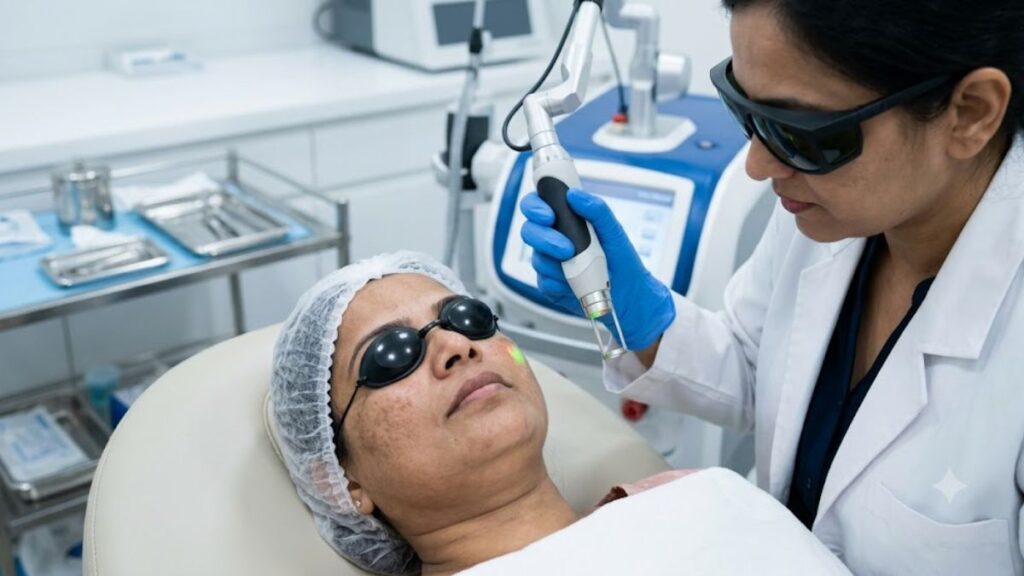
There is no single treatment that is best for every person. Depending on the diagnosis, a dermatologist may recommend topical medicines, chemical peels, laser-based procedures, or a combination of treatments.
The goal is not only to lighten existing pigmentation but also to control the factors causing it. Sun protection and an appropriate skincare routine are often important parts of the treatment plan.
Self-treatment can sometimes make pigmentation worse, particularly when strong bleaching products or unsuitable home remedies irritate the skin. A pigmentation specialist in Indore can help select an appropriate approach according to the individual’s skin type and condition.
Can Pigmentation Be Removed Permanently?
Pigmentation can often be significantly reduced, but saying that it can always be removed permanently would be misleading. Some pigmentation conditions have a tendency to return, particularly when the original trigger continues.
For example, repeated sun exposure or hormonal influences can cause pigmentation to reappear even after successful treatment. Long-term maintenance, sun protection, and appropriate skincare can therefore be just as important as the treatment itself.

Can Laser Treatment Permanently Remove Pigmentation?
Laser treatment can be useful for selected types of pigmentation. It works by targeting pigment in the skin, allowing the body to gradually clear the treated pigment. However, laser treatment does not guarantee permanent removal in every case.
The suitability of laser treatment depends on the type of pigmentation, skin tone, depth of pigment, and other individual factors. Incorrect laser selection or settings can sometimes cause irritation or further pigmentation. Therefore, treatment should be performed under appropriate dermatological guidance by a pigmentation specialist in Indore.
How Much Does Laser Pigmentation Treatment Cost in Indore?
Laser pigmentation treatment costs in Indore can also vary depending on the technology used and the individual treatment plan. Different pigmentation problems may require different approaches, so there is no single price applicable to everyone.
Dr. Atul Kathed, pigmentation specialist in Indore, can evaluate the skin and suggest a treatment plan based on the patient’s specific pigmentation rather than recommending a procedure simply because it is popular.
Who Are the Best Doctors for Pigmentation in Indore?
When choosing a doctor for pigmentation, look for a qualified dermatologist with experience in diagnosing and treating different types of pigmentation. Understanding the cause is essential because treating the wrong condition can lead to unsatisfactory results or worsening of pigmentation.
Dr. Atul Kathed is a pigmentation specialist in Indore with extensive professional experience in dermatology and aesthetic dermatology. His approach focuses on assessing the patient’s skin condition and selecting suitable treatment options according to individual needs.
Final Takeaway
Pigmentation is common, but its cause and treatment can vary greatly from one person to another. Sun exposure, hormonal changes, genetics, inflammation, lifestyle factors, and other conditions may contribute to it. Instead of experimenting with random creams or home remedies, getting a professional evaluation is a safer approach.
If pigmentation is persistent, spreading, repeatedly returning, or affecting your confidence, consult a qualified pigmentation specialist in Indore for proper diagnosis and personalized treatment guidance.