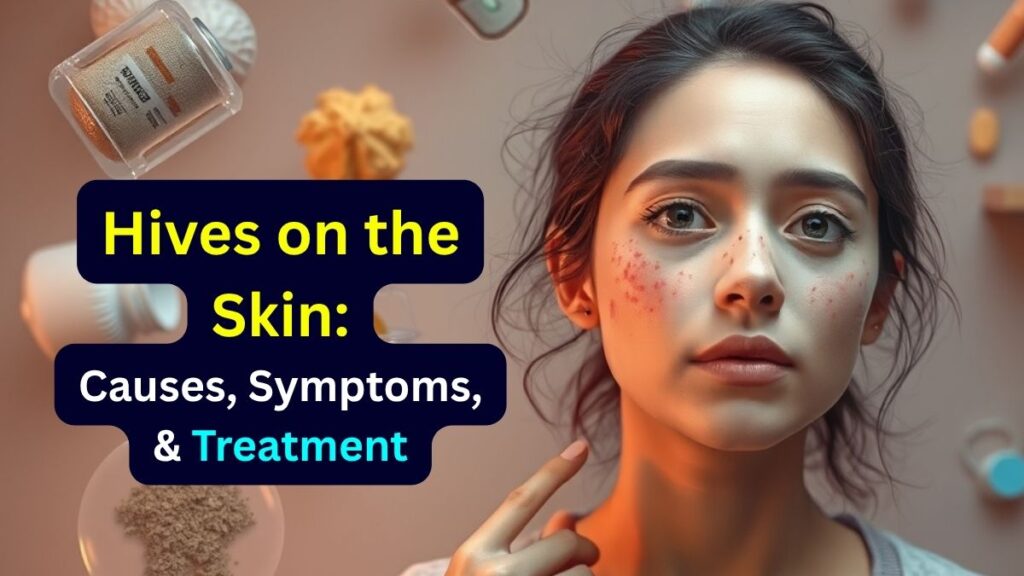
Hives, also known as urticaria, are a common skin condition that can affect women at any age. These itchy, red, raised welts can appear suddenly and often cause discomfort or concern. Many patients visiting Dr. Atul Kathed, the best skin specialist in Indore, often ask why they are experiencing hives on the skin and how to manage them effectively.
This article will help you understand the causes, triggers, treatment, and prevention of hives in a simple and practical way.

What are the causes of hives in adult women?
The causes of hives on the skin in adult women can vary from person to person. In many cases, the exact cause may not be easily identified, but common reasons include:
- Allergic reactions to food, medicines, or environmental factors
- Infections (viral or bacterial)
- Heat, cold, or sudden weather changes
- Certain medications like antibiotics or painkillers
- Autoimmune responses where the body reacts against itself
According to Dr. Atul Kathed, many women experience hives due to a combination of internal and external triggers rather than a single cause.

What foods can cause hives on the skin?
Food allergies are one of the most common triggers of hives on the skin. Certain foods can release histamine in the body, leading to itching and swelling.
Common food triggers include:
- Nuts (especially peanuts and cashews)
- Shellfish and seafood
- Eggs
- Milk and dairy products
- Spicy or processed foods
- Food additives and preservatives
If you notice recurring hives after eating certain foods, it is important to consult a dermatologist or allergist for proper evaluation.

Can extreme stress cause hives on the skin?
Yes, stress can play a significant role. Emotional stress and anxiety can trigger or worsen hives on the skin. When you are stressed, your body releases chemicals that can make your skin more sensitive and reactive.
Many working women or homemakers dealing with high stress levels may suddenly develop hives without any visible allergy. Stress-related hives often come and go depending on emotional health.
Managing stress through relaxation techniques, proper sleep, and lifestyle changes can help reduce flare-ups.
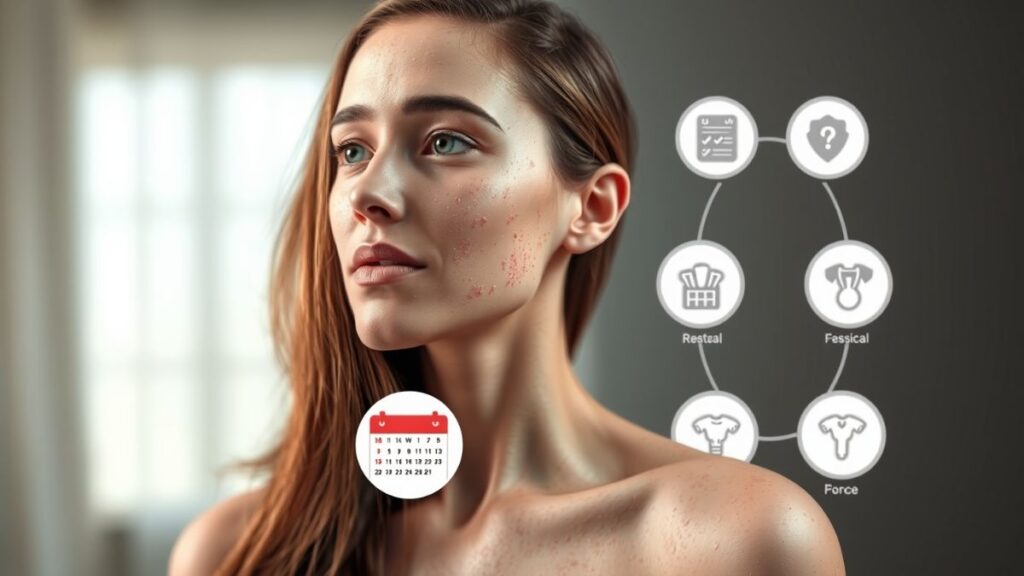
Can hormonal changes cause hives on women’s skin?
Hormonal fluctuations are another important factor, especially in women. Changes during:
- Menstrual cycles
- Pregnancy
- Menopause
- Thyroid disorders
can trigger hives on the skin in some individuals.
Dr. Atul Kathed explains that hormonal imbalance can make the immune system more reactive, increasing the chances of skin allergies like hives.

Is hives a contagious disease that spreads from person to person?
No, hives are not contagious. They do not spread from one person to another through touch, air, or sharing items.
This is a common myth among patients. Hives are usually a reaction of your own body to certain triggers, not an infection that can be passed on.
What is the treatment for hives on the skin?
The treatment for hives on the skin depends on the severity and cause. The main goal is to reduce itching, swelling, and prevent recurrence.
Common treatment options include:
- Antihistamines: These are the most commonly prescribed medicines to reduce itching and allergic reactions.
- Avoiding triggers: Identifying and avoiding foods, stress, or environmental factors that cause hives.
- Topical soothing lotions: To calm irritated skin.
- Short-term steroids: In severe cases, doctors may prescribe them for quick relief.
- Lifestyle changes: Proper sleep, hydration, and stress management
Dr. Atul Kathed emphasizes that self-medication should be avoided, especially if hives are frequent or severe. Proper diagnosis is key to effective treatment.

How long does it take for hives to heal?
The duration of hives can vary depending on the type:
- Acute hives: Usually last for a few hours to a few days and resolve within 1–2 weeks
- Chronic hives: Can persist for more than 6 weeks and may come and go for months
In most mild cases, hives on the skin disappear quickly with proper care. However, if they keep recurring or last longer, medical attention is necessary.
Tips to Prevent Hives in Women
Preventing hives is possible if you identify your triggers early. Here are some simple tips:
- Avoid known food allergens
- Maintain a stress-free lifestyle
- Follow a balanced diet
- Stay hydrated
- Use gentle skincare products
- Avoid extreme temperatures
Regular consultation with a dermatologist can help manage chronic conditions effectively.
Final Thoughts
Hives may look alarming, but they are usually manageable with the right approach. Understanding the causes, identifying triggers, and following proper treatment can help you control hives on the skin effectively.
If you are experiencing frequent or severe hives, it is always best to consult an expert like Dr. Atul Kathed, the best skin specialist in Indore, for accurate diagnosis and personalized care. Early treatment not only provides relief but also prevents future complications.