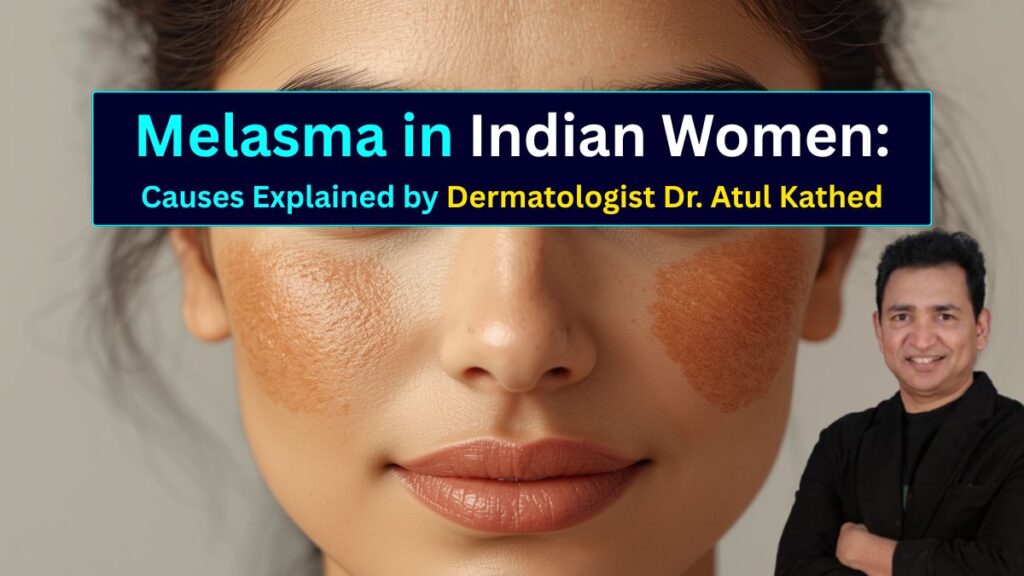
Melasma is a common skin condition that causes brown or greyish patches on the face. It mainly affects the cheeks, forehead, nose, and upper lip. Many women notice it gradually and feel distressed by its appearance. Melasma in indian women is seen more frequently because of a mix of genetic, hormonal, and environmental factors. The condition is harmless but emotionally challenging. Understanding the reasons behind it helps in better control and prevention.
Indian women often have Fitzpatrick skin types III to V. These skin types produce more melanin naturally. Melanin is the pigment responsible for skin color. When melanin production becomes uneven, patches start to appear. This is one major reason melasma in indian women is widely reported in dermatology clinics.
What Is the Main Cause of Melasma in Women in India?
The primary cause of melasma is overproduction of melanin. Hormonal imbalance plays a significant role in triggering this condition. Estrogen and progesterone stimulate pigment-producing cells. Indian women experience frequent hormonal changes during life. These changes increase the risk of pigmentation disorders.
Genetics also matters. If melasma runs in the family, the chances increase. Many patients report that their mother or sister had similar patches. Environmental exposure further worsens the problem. All these factors together explain why melasma in indian women is so prevalent.
What Is the Difference Between Pigmentation and Melasma?
Pigmentation is a broad term. It includes any darkening of the skin. Pigmentation can occur due to acne marks, sun damage, or injury. Melasma is a specific type of pigmentation. It usually appears symmetrically on the face.
Melasma is deeper and more stubborn. Regular pigmentation may fade with basic creams. Melasma often requires long-term dermatological care. This distinction is important while planning treatment. Many patients confuse the two conditions. Clear diagnosis helps manage melasma in indian women effectively.
Why Is Melasma More Common in Darker Skin Tones?
Darker skin tones contain more active melanocytes. These cells respond strongly to triggers like sunlight and hormones. Even mild exposure can cause pigment overproduction. This makes darker skin more vulnerable to melasma.
Indian skin also shows delayed recovery from pigmentation. Once melanin is deposited, it stays longer. This is why patches become persistent. Dermatologist in Indore Dr. Atul Kathed often explains that melasma in Indian women is not caused by poor skincare. It is a biological response of the skin.
Why Do Women Develop Melasma After Pregnancy?
Pregnancy causes major hormonal fluctuations. Estrogen and progesterone levels rise sharply. These hormones stimulate melanocytes. This leads to dark patches known as the “mask of pregnancy.”
Sun exposure during pregnancy further worsens pigmentation. Many women neglect sunscreen during this phase. Stress and nutritional changes also contribute. After delivery, melasma may fade slowly. In many cases, it persists without treatment. This explains the rise of melasma in indian women after childbirth.

Is Excessive Sun Exposure on the Face a Cause of Melasma?
Yes, sun exposure is a major trigger. Ultraviolet rays activate pigment cells. Indian weather involves strong sunlight most of the year. Daily activities expose the face continuously.
Even short exposure without protection can worsen melasma. Visible light from screens also plays a role. This makes sun protection essential. Dr. Atul Kathed Dermatologist in indore emphasis sunscreen as the first step in managing melasma in indian women.
How to Get Rid of Melasma?
Melasma treatment requires patience. There is no instant cure. A dermatologist first identifies the depth of pigmentation. Treatment plans are then customized.
Medical creams help reduce melanin production. Sunscreen is mandatory every day. Oral medications may be advised in selected cases. Chemical peels and laser treatments are used cautiously. Lifestyle changes improve long-term results.
Avoiding harsh products is important. Self-medication often worsens the condition. Regular follow-up ensures safe progress. With proper care, melasma can be effectively controlled in Indian women.

Common Questions People Ask on Google
Many people ask if melasma is permanent. The answer is no, but it is chronic. It can recur if triggers return. Another common question is whether home remedies work. Home remedies alone are usually insufficient.
People also ask if men can get melasma. Yes, but it is less common. Women are affected more due to hormones. Early treatment always gives better outcomes. Skin specialist in Indore Dr. Atul Kathed says that education and awareness reduce the distress associated with melasma in Indian women.
Final Thoughts
Melasma is a complex condition influenced by hormones, sun exposure, and genetics. Indian skin is naturally more sensitive to pigment changes. Understanding the causes helps reduce guilt and fear. Proper diagnosis is essential for success.
With expert guidance and consistent care, With 28 years of experience, dermatologist Dr. Atul Kathed believes that melasma can be effectively managed. When expectations are realistic, confidence grows. Awareness is the first step towards healthy skin and improved self-esteem.