Seborrheic dermatitis is a common skin condition that can cause redness, itching, and flaky skin. It often appears on the scalp, face, and other oily areas of the body. Although dandruff is one of its familiar forms, this condition can affect more than just the scalp.
Understanding its causes, recognizing early symptoms, and following appropriate skincare advice can help manage flare-ups. If you are looking for Seborrheic Dermatitis treatment in Indore, consulting a qualified dermatologist can help you identify the condition and choose a suitable treatment plan.
What Is Seborrheic Dermatitis?
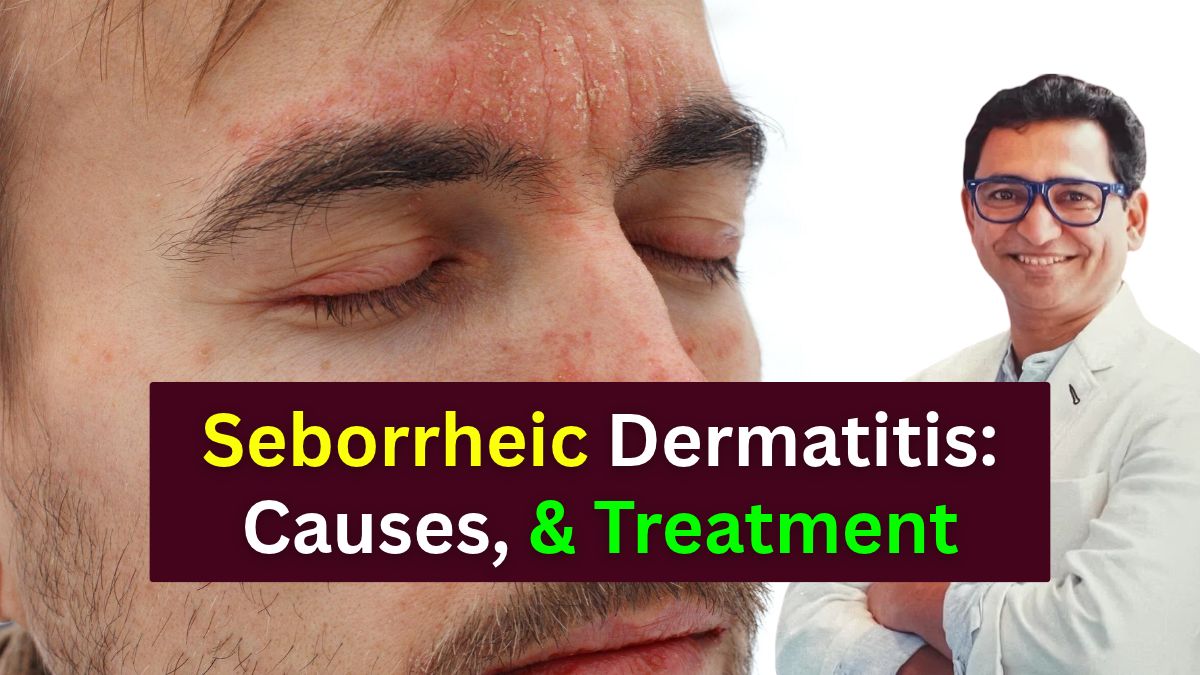
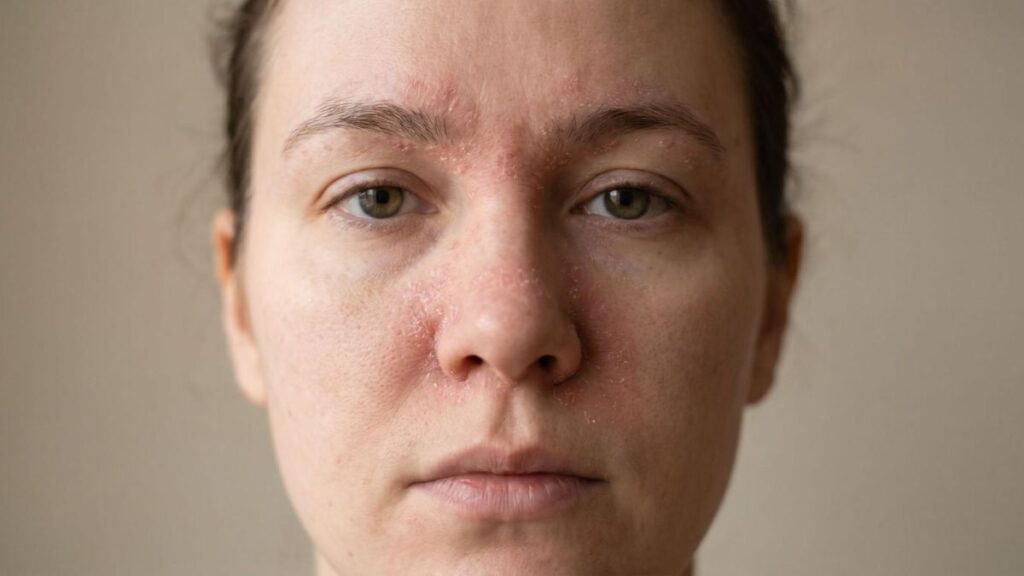
Seborrheic dermatitis is a chronic inflammatory skin condition associated with oily areas of the body. It commonly causes white or yellowish flakes, redness, and itching. On the scalp, it may look like persistent dandruff, while on the face it can appear as scaly patches around the nose, eyebrows, ears, and hairline.
The condition often improves with treatment but may return from time to time. Seeking Seborrheic Dermatitis treatment in Indore can help people understand their symptoms and manage recurring flare-ups.
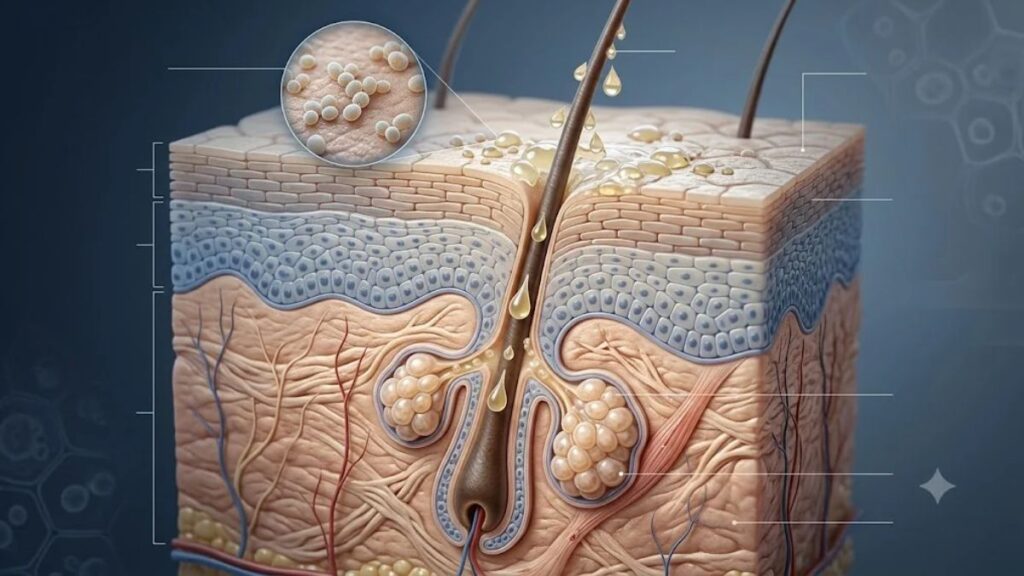
What Causes Seborrheic Dermatitis on the Face and Body?
The exact cause is not fully understood, but several factors may contribute:
- Malassezia yeast: This naturally occurring yeast lives on the skin and may contribute to inflammation in susceptible individuals.
- Excess skin oil: Sebum can create conditions that encourage inflammation in affected areas.
- Skin sensitivity: Some people react more strongly to the yeast or substances associated with it.
- Stress and fatigue: These may trigger or worsen flare-ups.
- Weather changes: Cold, dry weather can aggravate symptoms in some people.
Seborrheic dermatitis is not caused by poor hygiene. Regular, gentle cleansing can help, but harsh scrubbing may irritate the skin.
Is Seborrheic Dermatitis Contagious?
No. Seborrheic dermatitis is not contagious and does not spread through touching, sharing everyday spaces, or being close to someone who has it. It develops through a combination of skin-related and individual factors rather than person-to-person transmission.
Can Diet or Certain Foods Trigger Seborrheic Dermatitis?
There is no single food proven to cause seborrheic dermatitis in everyone. However, people sometimes notice that their symptoms change alongside their diet or lifestyle. Maintaining a balanced diet, getting adequate sleep, and managing stress can support general skin health. Avoid eliminating entire food groups without a clear reason or professional advice.
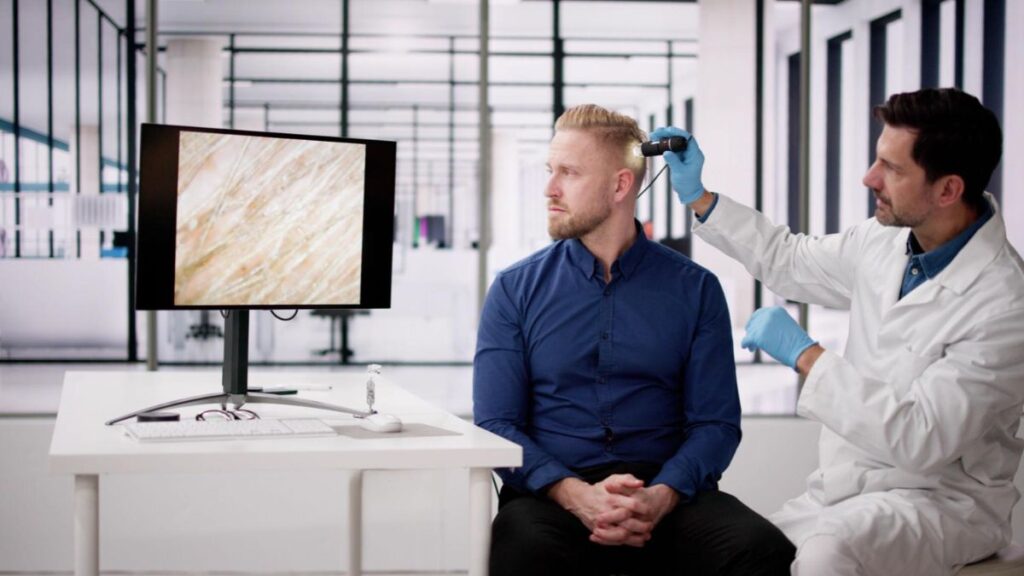
Can Seborrheic Dermatitis Cause Hair Loss?
Seborrheic dermatitis does not usually cause permanent hair loss. However, severe itching and repeated scratching may damage hair strands and contribute to temporary hair shedding. Treating scalp inflammation and avoiding scratching can help protect the scalp. If hair loss continues, a dermatologist can check for other possible causes.
For people seeking Seborrheic Dermatitis treatment in Indore, a dermatologist can recommend suitable medicated shampoos or topical treatments based on the severity of symptoms.
How Does Seborrheic Dermatitis Affect the Skin if Left Untreated?
If left unmanaged, the condition may cause persistent flaking, redness, itching, and discomfort. Frequent scratching can irritate the skin and sometimes lead to secondary infection. Symptoms may also affect confidence, especially when flakes are visible on clothing or scaly patches appear on the face.
Although the condition is generally manageable, persistent or worsening symptoms deserve medical attention.
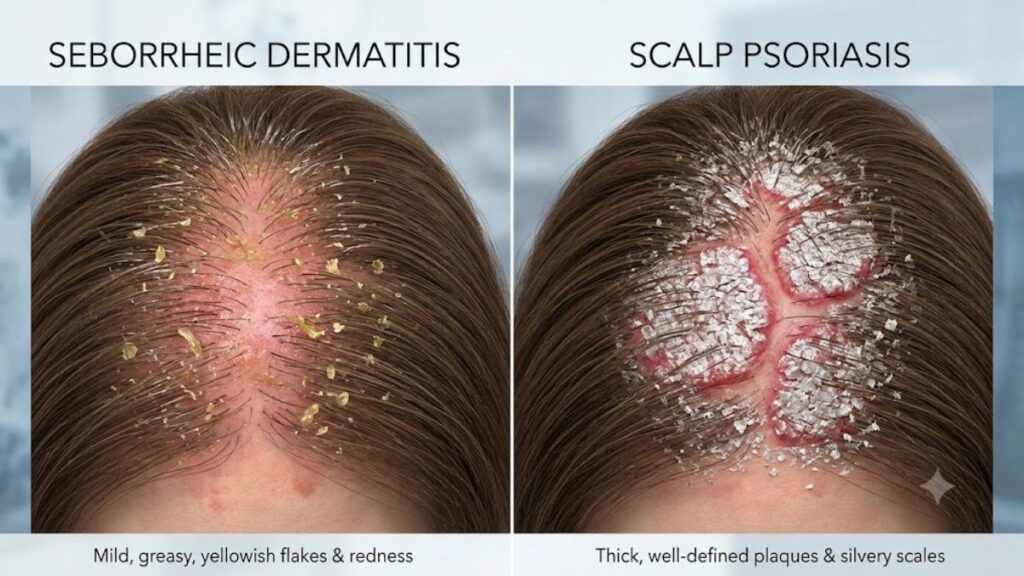
What Is the Difference Between Seborrheic Dermatitis and Psoriasis?
Both conditions can cause flaky, irritated skin, but they have some differences.
- Seborrheic dermatitis: Often produces greasy, yellowish or white flakes and commonly affects the scalp, eyebrows, sides of the nose, and ears.
- Psoriasis: Often causes thicker, well-defined patches with dry scales, commonly on the scalp, elbows, and knees.
Sometimes, these conditions look similar or overlap. A dermatologist can examine the affected area and recommend appropriate treatment. Accurate diagnosis is an important part of Seborrheic Dermatitis treatment in Indore.
Which Areas of the Body Are Commonly Affected?
Seborrheic dermatitis usually develops in areas where oil-producing glands are more active, including:
- Scalp and hairline
- Eyebrows and eyelids
- Sides of the nose
- Behind and inside the outer ear area
- Beard and moustache regions
- Upper chest and skin folds
The location and severity of symptoms can vary from person to person.
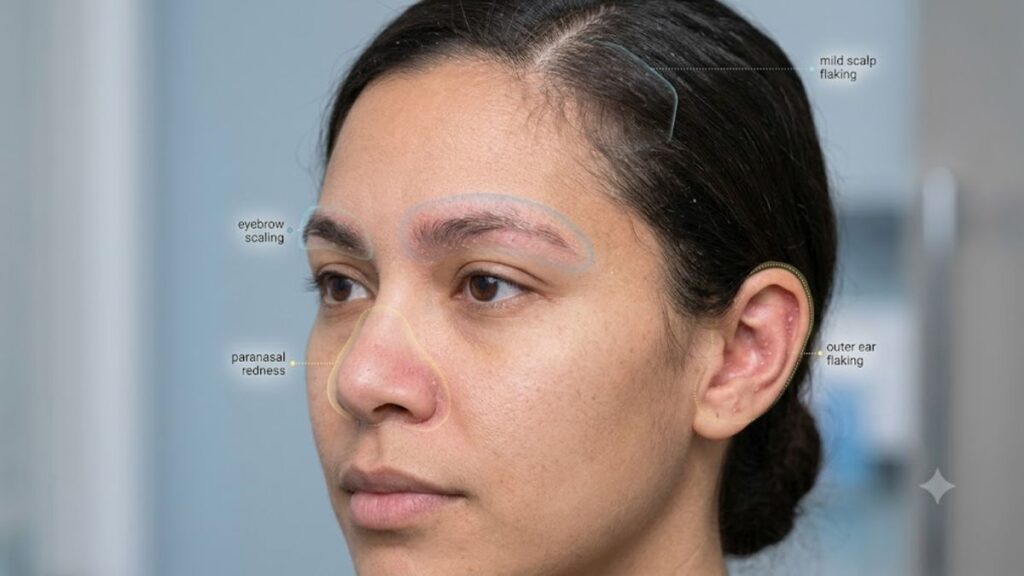
What Are the Common Symptoms of Seborrheic Dermatitis?
Common symptoms include:
- White or yellowish flakes on the scalp
- Redness and inflamed skin
- Itching or mild irritation
- Greasy or crusty patches
- Flaking around the nose, eyebrows, or ears
If these symptoms persist, consider professional advice rather than assuming every flaky patch is dandruff. Early evaluation can help guide Seborrheic Dermatitis treatment in Indore.
How Is Seborrheic Dermatitis Treated?
Treatment depends on the affected area and the severity of symptoms. A dermatologist may recommend:
- Medicated shampoos: Products containing ketoconazole, selenium sulfide, or other suitable ingredients for scalp symptoms.
- Antifungal creams: These may help reduce yeast-related inflammation on the face or body.
- Short-term anti-inflammatory treatment: A doctor may prescribe an appropriate medicine to control significant redness and itching.
- Gentle skincare: Mild cleansers and non-irritating moisturizers can help maintain skin comfort.
Avoid using strong steroid creams or medicated products without professional guidance, particularly on the face. If you need Seborrheic Dermatitis treatment in Indore, consult a qualified dermatologist for an individualized plan.
Dermatologist in Indore Dr. Atul Kathed can help patients understand their skin concerns and explore suitable dermatological care options.
Can Seborrheic Dermatitis Be Permanently Cured?
There is currently no guaranteed permanent cure for seborrheic dermatitis. However, many people control it successfully with appropriate treatment and regular maintenance. Symptoms may disappear for periods and return during flare-ups. Consistent care can help reduce discomfort and improve symptom control.
How Can You Prevent Seborrheic Dermatitis Flare-Ups?
Although flare-ups cannot always be prevented, these habits may help:
- Use a dermatologist-recommended medicated shampoo when needed.
- Cleanse the face gently and avoid harsh scrubs.
- Avoid scratching or picking flaky patches.
- Manage stress and maintain a regular sleep schedule.
- Identify personal triggers and discuss persistent symptoms with a dermatologist.
- Follow the recommended maintenance routine even when symptoms improve.
Consistent skincare and timely medical advice are important elements of Seborrheic Dermatitis treatment in Indore.
Conclusion
Seborrheic dermatitis is a common, non-contagious skin condition that can affect the scalp, face, and body. Although it may recur, the right treatment and daily care can help manage symptoms and reduce flare-ups.
If you experience persistent itching, redness, or scaling, consult Dr. Atul Kathed, Dermatologist in Indore, for professional evaluation and guidance on suitable treatment options. Seeking Seborrheic Dermatitis treatment in Indore can be a helpful step toward healthier, more comfortable skin.