
महिलाओं में सफेद बाल: जानिए कारण, बचाव और सही समाधान
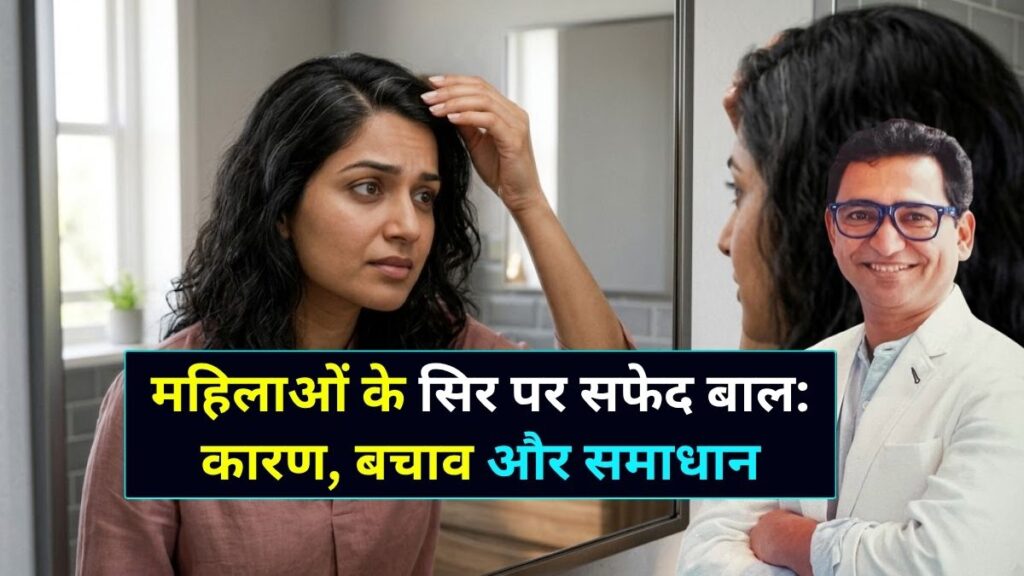
बालों का रंग हमारी खूबसूरती और व्यक्तित्व का एक अहम हिस्सा माना जाता है। इसलिए जब कम उम्र में बाल सफेद होने लगते हैं, तो कई महिलाओं के मन में चिंता पैदा होना स्वाभाविक है। महिलाओं में सफेद बाल केवल उम्र बढ़ने की वजह से ही नहीं होते, बल्कि इसके पीछे आनुवंशिक कारण, पोषण की कमी, कुछ स्वास्थ्य समस्याएं और जीवनशैली से जुड़े कई कारक भी हो सकते हैं। त्वचा रोग विशेषज्ञ डॉ. अतुल काठेड़ के अनुसार, बालों के समय से पहले सफेद होने की समस्या को समझने के लिए केवल सफेद बालों को देखना पर्याप्त नहीं है। व्यक्ति की उम्र, पारिवारिक इतिहास, खान-पान, जीवनशैली और अन्य स्वास्थ्य संबंधी लक्षणों को भी ध्यान में रखना जरूरी है। महिलाओं के सिर के बाल सफेद क्यों हो रहे हैं? बालों का प्राकृतिक रंग मेलानिन (Melanin) नामक पिगमेंट से मिलता है। जब बालों की जड़ों में मौजूद कोशिकाएं पर्याप्त मेलानिन बनाना कम या बंद कर देती हैं, तो बाल धीरे-धीरे भूरे या सफेद दिखाई देने लगते हैं। उम्र बढ़ने के साथ यह एक सामान्य प्रक्रिया है। लेकिन यदि महिलाओं में सफेद बाल कम उम्र में ही तेजी से बढ़ने लगें, तो इसके पीछे दूसरे कारण भी हो सकते हैं। इनमें पारिवारिक इतिहास, विटामिन B12 या कुछ पोषक तत्वों की कमी, थायरॉयड जैसी स्थितियां और कुछ lifestyle factors शामिल हो सकते हैं। महिलाओं में कम उम्र में बाल सफेद होने के क्या कारण हैं? कम उम्र में बाल सफेद होने का कोई एक निश्चित कारण हर महिला में नहीं होता। कई बार इसका मुख्य कारण genetics होता है। यदि माता-पिता या परिवार के अन्य सदस्यों के बाल कम उम्र में सफेद हुए हैं, तो अगली पीढ़ी में भी इसकी संभावना बढ़ सकती है। इसके अलावा कुछ महिलाओं में Vitamin B12, iron/ferritin जैसे पोषक तत्वों की कमी भी premature greying से जुड़ी पाई गई है। कुछ अध्ययनों में thyroid disorders और अन्य स्वास्थ्य स्थितियों के साथ भी इसका संबंध देखा गया है। इसलिए महिलाओं में सफेद बाल अचानक बढ़ रहे हों या बहुत कम उम्र में शुरू हो गए हों, तो केवल cosmetic treatment लेने के बजाय dermatological evaluation पर भी विचार करना चाहिए। क्या जेनेटिक कारणों से महिलाओं में सफेद बाल होते हैं? हाँ। आनुवंशिकता बालों के जल्दी सफेद होने में महत्वपूर्ण भूमिका निभा सकती है। यदि परिवार में माता, पिता या भाई-बहनों के बाल कम उम्र में सफेद हुए हैं, तो महिला में भी premature greying की संभावना अधिक हो सकती है। हालांकि genetics को बदला नहीं जा सकता, लेकिन संतुलित आहार, पर्याप्त नींद, तनाव प्रबंधन और धूम्रपान से बचाव जैसे स्वस्थ habits overall hair health के लिए फायदेमंद हो सकते हैं। क्या हेयर कलर करने से महिलाओं में सफेद बाल होते हैं? आम तौर पर हेयर कलर करना बालों को सफेद करने का मुख्य कारण नहीं माना जाता। Hair dye बालों के बाहर मौजूद hair shaft का रंग बदलता है, जबकि बालों का प्राकृतिक pigment hair follicle में बनता है। हालांकि कुछ hair dyes में मौजूद ingredients संवेदनशील त्वचा में irritation या allergy पैदा कर सकते हैं। इसलिए hair color इस्तेमाल करते समय product की ingredients और scalp sensitivity का ध्यान रखना चाहिए। यदि बाल लगातार सफेद हो रहे हैं, तो केवल hair color को इसका कारण मानना सही नहीं होगा। 30 की उम्र में सफेद दाढ़ी होने के बारे में जानें। क्या डैंड्रफ की वजह से महिलाओं में सफेद बाल हो सकते है? नहीं, डैंड्रफ को बालों के सफेद होने का सीधा कारण नहीं माना जाता। डैंड्रफ मुख्य रूप से scalp की एक समस्या है, जबकि बालों का रंग hair follicle में बनने वाले melanin से संबंधित होता है। इसलिए महिलाओं में सफेद बाल होने पर इसे केवल dandruff की समस्या समझकर treatment करना उचित नहीं है। यदि scalp में लगातार खुजली, flakes, redness या inflammation है, तो उसकी अलग से जांच और सही treatment जरूरी हो सकता है। समय से पहले बाल सफेद होने से बचने के लिए महिलाओं को कैसी lifestyle अपनानी चाहिए? हर महिला में बालों को सफेद होने से पूरी तरह रोकना संभव नहीं है, खासकर जब इसमें genetics की भूमिका हो। फिर भी healthy lifestyle कुछ modifiable factors को बेहतर रखने में मदद कर सकती है। महिलाओं को इन बातों पर ध्यान देना चाहिए: Dermatology guidance भी balanced diet, अच्छी नींद, stress management और smoking से बचने जैसी आदतों को premature greying को delay करने में मददगार मानती है, हालांकि ये बालों को सफेद होने से पूरी तरह रोकने की गारंटी नहीं देतीं। क्या सफेद बालों को प्राकृतिक रूप से फिर से काला किया जा सकता है? यह सबसे आम सवालों में से एक है। सामान्य उम्र से जुड़े सफेद बालों को किसी घरेलू नुस्खे से स्थायी रूप से फिर से काला करने का मजबूत वैज्ञानिक प्रमाण वर्तमान में उपलब्ध नहीं है। सामान्यतः एक बार बालों में pigment बनना कम हो जाने पर सफेद बाल वापस काले होना मुश्किल होता है। हालांकि यदि premature greying किसी underlying condition या nutritional deficiency से जुड़ा हो, तो उस समस्या का उचित treatment जरूरी है। कुछ मामलों में underlying cause को ठीक करने के बाद pigmentation में सुधार की reports मिली हैं, लेकिन इसे हर व्यक्ति में होने वाला परिणाम नहीं माना जा सकता। इसलिए महिलाओं में सफेद बाल होने पर इंटरनेट पर बताए गए तेल, supplements या घरेलू नुस्खों को बिना सोचे-समझे अपनाने के बजाय समस्या के कारण को समझना ज्यादा महत्वपूर्ण है। सही समाधान क्या है? महिलाओं में सफेद बाल एक सामान्य और कई कारणों से जुड़ी समस्या हो सकती है। यदि उम्र के साथ धीरे-धीरे बाल सफेद हो रहे हैं, तो यह प्राकृतिक प्रक्रिया का हिस्सा हो सकता है। लेकिन यदि बहुत कम उम्र में बाल तेजी से सफेद हो रहे हैं, तो family history के साथ-साथ nutritional deficiencies या कुछ underlying health conditions पर भी ध्यान देना चाहिए। त्वचा रोग विशेषज्ञ डॉ. अतुल काठेड़ की सलाह के अनुसार, सही approach समस्या के संभावित कारण की पहचान से शुरू होती है। जरूरत पड़ने पर डॉक्टर clinical history और उचित tests के आधार पर आगे की सलाह दे सकते हैं। सबसे महत्वपूर्ण बात यह है कि सफेद बाल अपने आप में कोई शर्म या कमी नहीं
Laser Treatment for Acne: Benefits, Types, Cost & Aftercare Explained
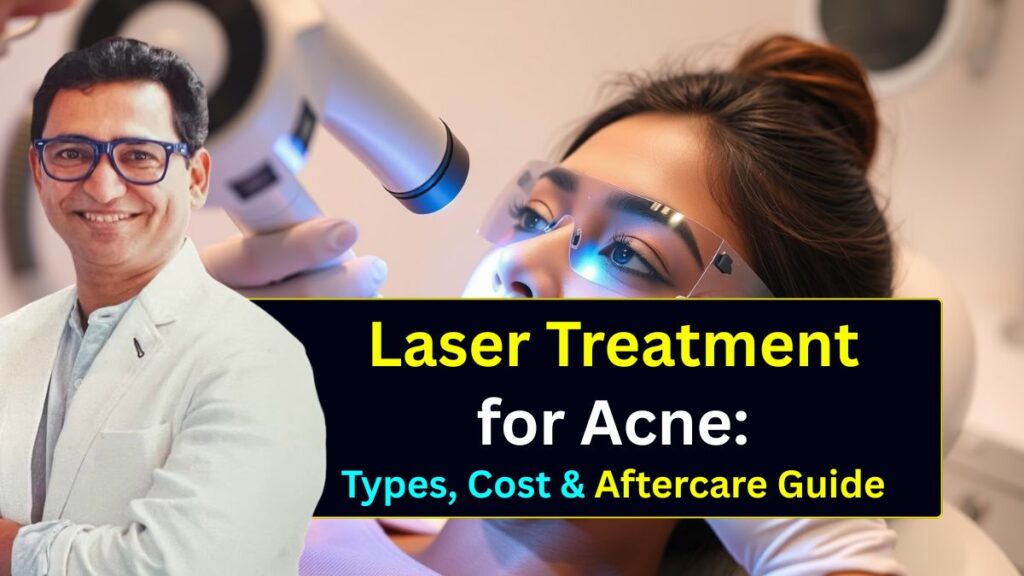
Acne is one of the most common skin concerns affecting teenagers and adults alike. While creams and medicines work for many people, some cases require advanced dermatological procedures for faster and more effective results. If you’re looking for a solution to stubborn acne, Laser treatment for acne has become one of the most trusted options recommended by skin specialists. Dr. Atul Kathed, one of the leading laser skin specialists in Indore with over 31 years of dermatology experience, has helped thousands of patients manage acne using advanced laser technologies. Having personally experienced acne for several years, he understands both the physical and emotional impact of this condition. What is laser treatment for acne? Laser treatment for acne is a non-surgical dermatological procedure that uses focused light energy to reduce acne-causing bacteria, control excess oil production, decrease inflammation, and improve skin healing. Depending on the type of acne and skin condition, your dermatologist may recommend one or multiple laser sessions. Unlike home remedies, laser procedures target the deeper layers of the skin, making them useful for people with persistent or moderate-to-severe acne. However, the treatment plan should always be customized after a detailed skin examination. What are the different types of laser treatment for acne? Nowadays, several advanced laser treatment for acne are available in modern dermatology. Some commonly recommended options include: 1. Fotona Acne Laser Treatment Fotona laser helps reduce active acne by controlling inflammation and improving the skin’s natural healing process. It is suitable for many patients with inflammatory acne. 2. 1320 Laser Treatment The 1320 nm laser targets deeper skin layers, helping improve skin texture while supporting acne management. It is also used in selected patients to enhance overall skin appearance. 3. Intense Pulsed Light (IPL) Therapy Although IPL is not technically a laser, it is an energy-based treatment frequently used for acne. It helps reduce acne-causing bacteria, minimizes redness, and improves skin tone. The most appropriate technology depends on your skin type, acne severity, medical history, and your dermatologist’s clinical assessment. Who is a good candidate for laser acne treatment? Laser treatment for acne may be suitable for those who: A consultation with an experienced dermatologist is essential before choosing any laser procedure. What precautions should you follow after laser treatment for acne? Proper aftercare is essential for achieving the best results. Your dermatologist may recommend the following precautions: Following these instructions helps your skin recover comfortably and reduces the risk of irritation. How much does laser treatment for acne cost? The cost of Laser treatment for acne varies depending on several factors, including: Since every patient’s skin condition is different, an exact cost can only be determined after a clinical evaluation. It is always advisable to focus on receiving safe, personalized treatment rather than choosing a procedure based solely on price. Frequently Asked Questions Is laser treatment painful? Most patients experience only mild discomfort. Cooling systems and modern laser technologies help make the procedure more comfortable. How many sessions are usually required? The number of sessions varies depending on acne severity, skin type, and treatment goals. Your dermatologist will create an individualized treatment plan. Can laser treatment remove acne scars? Some laser technologies can help improve the appearance of acne scars, but scar treatment may require different settings or additional procedures. Can I attend a function after laser treatment? Many patients can return to normal activities soon after treatment, although mild redness may occur temporarily. Your dermatologist will advise you based on the procedure performed. Is laser treatment suitable for all skin types? Many modern laser systems can be safely used on different skin types when performed by an experienced dermatologist using appropriate settings. Can acne return after laser treatment? Laser therapy helps control acne, but new breakouts may still occur if hormonal changes, genetics, or lifestyle factors continue. Maintaining a proper skincare routine and following your dermatologist’s advice can help reduce recurrence. Final Thoughts If persistent acne is affecting your confidence, consulting an experienced dermatologist is the first step toward healthier skin. With more than 31 years of experience and expertise in advanced laser technologies, Dr. Atul Kathed, one of the best laser skin specialists in Indore, provides personalized treatment plans based on each patient’s skin condition. Early diagnosis, appropriate laser selection, and proper aftercare can significantly improve acne while promoting healthier, clearer skin over time.
चेहरे पर मुंहासे क्यों होते हैं? जानिए पुरुषों में ज्यादा Acne होने के कारण, बचाव और सही जानकारी
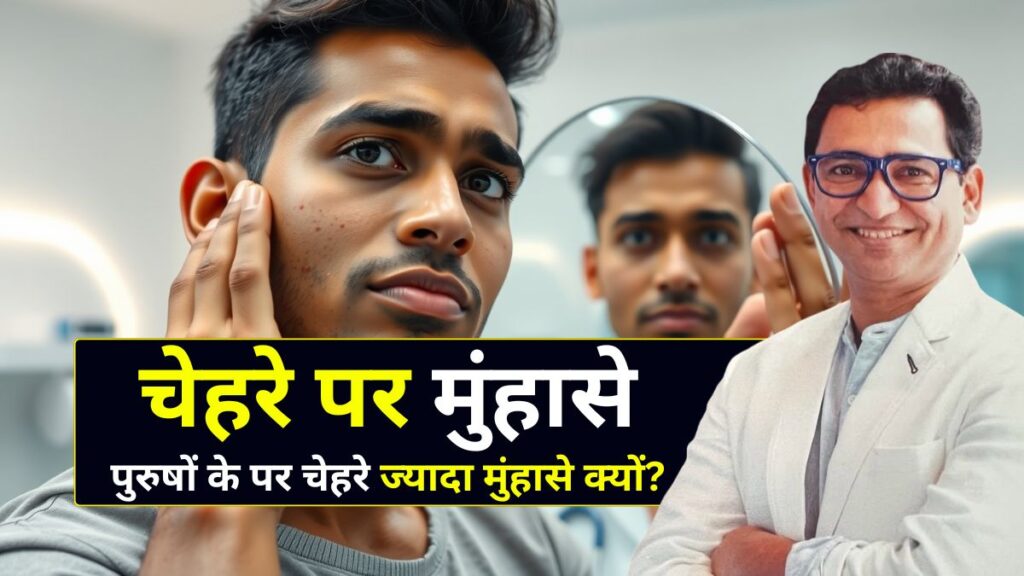
चेहरे पर मुंहासे केवल किशोरावस्था की समस्या नहीं हैं, बल्कि यह किसी भी उम्र के व्यक्ति को प्रभावित कर सकते हैं। कई लोग यह मान लेते हैं कि मुंहासे सिर्फ तैलीय त्वचा या गंदगी की वजह से होते हैं, जबकि इसके पीछे हार्मोनल बदलाव, आनुवंशिक कारण, जीवनशैली और त्वचा की देखभाल से जुड़ी कई बातें जिम्मेदार हो सकती हैं। यदि समय रहते सही उपचार न लिया जाए, तो चेहरे पर मुंहासे दाग-धब्बों और आत्मविश्वास में कमी का कारण भी बन सकते हैं। डॉ. अतुल काठेड़, बेस्ट स्किन स्पेशलिस्ट इन इंदौर के अनुसार, मुंहासों का सही कारण पहचानकर समय पर उपचार शुरू करना सबसे महत्वपूर्ण कदम है। आइए जानते हैं इससे जुड़े महत्वपूर्ण सवालों के जवाब। पुरुषों और महिलाओं के चेहरे पर मुंहासे होने का मुख्य कारण क्या है? पुरुषों और महिलाओं दोनों में मुंहासों का सबसे बड़ा कारण त्वचा की ऑयल ग्रंथियों द्वारा अधिक मात्रा में सीबम (तेल) बनना है। जब यह अतिरिक्त तेल मृत त्वचा कोशिकाओं के साथ मिलकर रोमछिद्रों को बंद कर देता है, तब बैक्टीरिया बढ़ने लगते हैं और मुंहासे बनने लगते हैं। इसके अलावा हार्मोनल परिवर्तन, तनाव, कुछ दवाइयाँ, गलत स्किनकेयर उत्पाद और असंतुलित जीवनशैली भी चेहरे पर मुंहासे होने की संभावना बढ़ा सकते हैं। 12 से 18 वर्ष की आयु के बीच मुंहासे क्यों होने लगते हैं? किशोरावस्था के दौरान शरीर में हार्मोन तेजी से बदलते हैं। इसी समय एंड्रोजन हार्मोन की मात्रा बढ़ती है, जिससे त्वचा की ऑयल ग्रंथियां अधिक सक्रिय हो जाती हैं। यही कारण है कि 12 से 18 वर्ष की आयु में अधिकांश लड़के और लड़कियों को पहली बार चेहरे पर मुंहासे दिखाई देने लगते हैं। यदि इस समय त्वचा की सही देखभाल की जाए और जरूरत पड़ने पर त्वचा विशेषज्ञ से सलाह ली जाए, तो समस्या को काफी हद तक नियंत्रित किया जा सकता है। पुरुषों के चेहरे पर महिलाओं की तुलना में ज्यादा मुंहासे क्यों होते हैं? पुरुषों में टेस्टोस्टेरोन हार्मोन का स्तर महिलाओं की तुलना में अधिक होता है। यह हार्मोन त्वचा की तेल ग्रंथियों को अधिक सक्रिय बनाता है, जिससे अतिरिक्त तेल बनने लगता है और रोमछिद्र बंद होने की संभावना बढ़ जाती है। इसके अलावा पुरुषों में दाढ़ी बनाते समय गलत शेविंग तकनीक, अधिक पसीना आना, धूल-मिट्टी के संपर्क में रहना और त्वचा की नियमित सफाई न करना भी चेहरे पर मुंहासे बढ़ाने वाले कारण हो सकते हैं। ऑयली (तैलीय) त्वचा पर अधिक मुंहासे क्यों होते हैं? ऑयली त्वचा में प्राकृतिक रूप से तेल अधिक बनता है। जब यह तेल मृत कोशिकाओं और धूल के साथ मिल जाता है, तो रोमछिद्र बंद हो जाते हैं और बैक्टीरिया आसानी से बढ़ने लगते हैं। हालांकि यह जरूरी नहीं कि हर ऑयली त्वचा वाले व्यक्ति को मुंहासे हों, लेकिन ऐसी त्वचा में जोखिम अधिक रहता है। इसलिए ऑयल-फ्री और नॉन-कॉमेडोजेनिक स्किनकेयर उत्पादों का उपयोग करना लाभदायक माना जाता है। क्या जेनेटिक (आनुवंशिक) कारण भी मुंहासों की वजह बन सकते हैं? हाँ। यदि माता-पिता या परिवार के अन्य सदस्यों को बार-बार गंभीर मुंहासों की समस्या रही है, तो अगली पीढ़ी में भी इसकी संभावना बढ़ सकती है। आनुवंशिक कारणों से त्वचा की तेल ग्रंथियां अधिक सक्रिय हो सकती हैं या त्वचा की सूजन की प्रतिक्रिया अलग हो सकती है। ऐसे मामलों में घरेलू उपायों के बजाय त्वचा विशेषज्ञ की सलाह लेना बेहतर रहता है। क्या बीमारी या पेट खराब होने से मुँहासे हो सकते हैं? सीधे तौर पर पेट खराब होना या पाचन संबंधी सामान्य समस्या मुंहासों का मुख्य कारण नहीं मानी जाती। हालांकि यदि किसी व्यक्ति का खान-पान लगातार असंतुलित हो, शरीर में पोषण की कमी हो या कुछ हार्मोनल एवं स्वास्थ्य संबंधी बीमारियां मौजूद हों, तो उनका प्रभाव त्वचा पर दिखाई दे सकता है। इंदौर के त्वचा रोग विशेषज्ञ डॉ. अतुल काठेड़ बताते हैं कि हर मुंहासे का कारण पेट खराब होना नहीं होता। इसलिए बिना वैज्ञानिक आधार के केवल घरेलू धारणाओं पर भरोसा करने के बजाय सही जांच और विशेषज्ञ की सलाह लेना आवश्यक है। क्या मुंहासों को बार-बार छूने या फोड़ने से उनकी समस्या बढ़ सकती है? बिल्कुल। मुंहासों को बार-बार छूने, दबाने या फोड़ने से बैक्टीरिया त्वचा के दूसरे हिस्सों में फैल सकते हैं। इससे सूजन बढ़ सकती है, संक्रमण हो सकता है और स्थायी दाग बनने का खतरा भी बढ़ जाता है। यदि किसी मुंहासे में दर्द, सूजन या पस दिखाई दे रही हो, तो उसे स्वयं फोड़ने की बजाय त्वचा विशेषज्ञ से उपचार करवाना अधिक सुरक्षित होता है। मुंहासों से बचाव के लिए किन बातों का ध्यान रखना चाहिए? मुंहासों से बचाव के लिए कुछ सरल आदतें अपनाना बहुत उपयोगी हो सकता है। कब डॉक्टर से संपर्क करना चाहिए? यदि चेहरे पर मुंहासे बार-बार हो रहे हों, दर्दनाक हों, बड़े आकार के हों, चेहरे पर गहरे दाग छोड़ रहे हों या घरेलू उपायों के बाद भी ठीक न हो रहे हों, तो विशेषज्ञ से जांच करवाना जरूरी है। डॉ. अतुल काठेड़, बेस्ट स्किन स्पेशलिस्ट इन इंदौर प्रत्येक मरीज की त्वचा की स्थिति, मुंहासों के कारण और उनकी गंभीरता के अनुसार व्यक्तिगत उपचार योजना तैयार करते हैं, जिससे समस्या को नियंत्रित करने और भविष्य में दाग बनने के जोखिम को कम करने में मदद मिल सकती है। निष्कर्ष चेहरे पर मुंहासे एक सामान्य लेकिन उपेक्षा न करने वाली समस्या है। इसके पीछे हार्मोनल बदलाव, तैलीय त्वचा, आनुवंशिक कारण, गलत स्किनकेयर आदतें और कुछ स्वास्थ्य संबंधी स्थितियां जिम्मेदार हो सकती हैं। अच्छी त्वचा देखभाल, स्वस्थ जीवनशैली और समय पर विशेषज्ञ की सलाह से अधिकांश मामलों में चेहरे पर मुंहासे को प्रभावी ढंग से नियंत्रित किया जा सकता है। यदि समस्या लगातार बनी रहे, तो स्वयं उपचार करने के बजाय अनुभवी त्वचा विशेषज्ञ से परामर्श लेना सबसे उचित कदम है।
30 की उम्र में दाढ़ी सफेद: जानिए कारण, विटामिन की कमी और बचाव के उपाय

आजकल कई पुरुष यह देखकर हैरान हो जाते हैं कि 30 की उम्र में दाढ़ी सफेद होने लगी है। पहले जहां सफेद दाढ़ी को बढ़ती उम्र का संकेत माना जाता था, वहीं अब यह समस्या युवाओं में भी तेजी से देखने को मिल रही है। कुछ लोगों की दाढ़ी के केवल कुछ बाल सफेद होते हैं, जबकि कुछ में पूरी दाढ़ी का रंग बदलने लगता है। ऐसे में मन में कई सवाल उठते हैं कि क्या यह सामान्य है, किसी बीमारी का संकेत है या फिर जीवनशैली से जुड़ी समस्या है। डॉ. अतुल काठेड, डर्मेटोलॉजिस्ट इन इंदौर, के अनुसार समय से पहले दाढ़ी का सफेद होना कई कारणों से जुड़ा हो सकता है। सही कारण की पहचान करके इसे काफी हद तक नियंत्रित किया जा सकता है। कम उम्र या 30 की उम्र में दाढ़ी सफेद क्यों? कम उम्र या 30 की उम्र में दाढ़ी सफेद होने का सबसे सामान्य कारण आनुवंशिकता (Genetics) होता है। यदि परिवार में माता-पिता या अन्य सदस्यों के बाल और दाढ़ी जल्दी सफेद हुए हैं, तो यह समस्या अगली पीढ़ी में भी दिखाई दे सकती है। इसके अलावा तनाव, पोषण की कमी, धूम्रपान, प्रदूषण और कुछ स्वास्थ्य समस्याएं भी दाढ़ी के बालों में मौजूद मेलेनिन (Melanin) पिगमेंट को प्रभावित कर सकती हैं। जब मेलेनिन का उत्पादन कम होने लगता है, तब बाल अपना प्राकृतिक रंग खोकर सफेद दिखाई देने लगते हैं। इंदौर में त्वचा रोग विशेषज्ञ डॉ. अतुल काठेड बताते हैं कि 30 की उम्र में दाढ़ी सफेद होना एक संकेत हो सकता है कि शरीर को कुछ आवश्यक पोषक तत्व पर्याप्त मात्रा में नहीं मिल रहे हैं या फिर जीवनशैली में सुधार की जरूरत है। इसलिए समस्या को केवल कॉस्मेटिक मुद्दा मानकर नजरअंदाज नहीं करना चाहिए। क्या खराब जीवनशैली और नींद की कमी से दाढ़ी सफेद हो जाती है? हाँ, खराब जीवनशैली समय से पहले सफेद दाढ़ी का एक महत्वपूर्ण कारण बन सकती है। देर रात तक जागना, पर्याप्त नींद न लेना, लगातार तनाव में रहना और असंतुलित खानपान शरीर में ऑक्सीडेटिव स्ट्रेस बढ़ा सकता है। जब शरीर लगातार तनाव की स्थिति में रहता है, तो बालों के रंग के लिए जिम्मेदार कोशिकाएं प्रभावित होने लगती हैं। यही कारण है कि आज कई लोगों में 30 की उम्र में दाढ़ी सफेद होने की समस्या बढ़ रही है। नियमित व्यायाम, पर्याप्त नींद और संतुलित आहार अपनाकर इस जोखिम को कम किया जा सकता है। हेयर कलर के ज्यादा इस्तेमाल से दाढ़ी सफेद क्यों हो जाती है? बहुत से लोग मानते हैं कि हेयर कलर लगाने से दाढ़ी स्थायी रूप से सफेद हो जाती है, लेकिन यह पूरी तरह सही नहीं है। वास्तव में हेयर कलर सीधे बालों के प्राकृतिक रंग को खत्म नहीं करता। हालांकि, बार-बार केमिकल युक्त उत्पादों का उपयोग बालों और त्वचा को नुकसान पहुंचा सकता है। इससे बाल कमजोर, रूखे और बेजान दिख सकते हैं। यदि पहले से ही 30 की उम्र में दाढ़ी सफेद होने की प्रवृत्ति मौजूद है, तो अत्यधिक केमिकल उत्पाद समस्या को अधिक स्पष्ट बना सकते हैं। क्या विटामिन की कमी से दाढ़ी के बाल सफ़ेद हो सकते हैं? हाँ, कई मामलों में विटामिन और मिनरल्स की कमी समय से पहले दाढ़ी सफेद होने का कारण बन सकती है। विशेष रूप से निम्न पोषक तत्व महत्वपूर्ण भूमिका निभाते हैं: इन पोषक तत्वों की कमी होने पर बालों की जड़ों को पर्याप्त पोषण नहीं मिल पाता, जिससे मेलेनिन का उत्पादन प्रभावित हो सकता है। इसलिए यदि 30 की उम्र में दाढ़ी सफेद हो रही है, तो डॉक्टर की सलाह से आवश्यक जांच करवाना फायदेमंद हो सकता है। क्या सफेद दाढ़ी को दोबारा काला किया जा सकता है? यह सवाल सबसे ज्यादा पूछा जाता है। इसका उत्तर सफेद होने के कारण पर निर्भर करता है। यदि दाढ़ी सफेद होने का कारण पोषण की कमी, तनाव या कोई स्वास्थ्य समस्या है, तो सही उपचार और जीवनशैली में सुधार के बाद कुछ मामलों में स्थिति बेहतर हो सकती है। लेकिन यदि कारण आनुवंशिकता या प्राकृतिक उम्र बढ़ना है, तो सफेद बालों का पूरी तरह काला होना हमेशा संभव नहीं होता। डर्मेटोलॉजिस्ट डॉ. अतुल काठेड के अनुसार सही निदान के बिना किसी भी सप्लीमेंट या घरेलू उपाय का उपयोग नहीं करना चाहिए। पहले कारण की पहचान करना जरूरी है। दाढ़ी को समय से पहले सफेद होने से कैसे बचाएं? यदि आप 30 की उम्र में दाढ़ी सफेद होने के जोखिम को कम करना चाहते हैं, तो इन बातों का ध्यान रखें: निष्कर्ष आज के समय में 30 की उम्र में दाढ़ी सफेद होना एक आम समस्या बनती जा रही है। इसके पीछे आनुवंशिकता, विटामिन की कमी, तनाव, खराब जीवनशैली और अन्य स्वास्थ्य कारण जिम्मेदार हो सकते हैं। यदि 30 की उम्र में दाढ़ी सफेद हो रही है, तो घबराने की बजाय सही कारण जानना और विशेषज्ञ से सलाह लेना सबसे अच्छा कदम है। समय पर निदान और स्वस्थ जीवनशैली अपनाकर इस समस्या को काफी हद तक नियंत्रित किया जा सकता है।
Everyday Habits That Are Damaging The Skin: Diet, Bathing, Sugar, and Sun Exposure
Healthy skin is not just about using expensive products or visiting salons regularly. In many cases, everyday lifestyle choices play a major role in how your skin looks and feels. Many people unknowingly follow habits that slowly damage their skin over time. In India, factors like hot weather, pollution, oily food, and irregular routines can make skin issues more common. According to the Best Doctor in Indore, Dr. Atul Kathed, understanding and correcting daily habits is one of the most effective ways to maintain healthy and glowing skin. Let’s answer some common questions and understand how daily habits affect your skin. How Does Excess Oil in Food Harm Our Skin? Oily and fried foods are very common in Indian diets. While they may taste delicious, consuming them regularly can negatively affect your skin. Excess oil in food can increase inflammation in the body, leading to acne, oily skin, and dullness. It can also disturb digestion, which further impacts skin health. The Best Doctor in Indore often advises patients to limit fried foods and focus on balanced nutrition for better skin. What you can do: Why Does an Upset Stomach Harm the Skin? There is a strong connection between gut health and skin health. If your digestion is not proper, your skin may reflect it through acne, dullness, or irritation. An upset stomach can prevent proper absorption of nutrients, which are essential for healthy skin. According to the Best Doctor in Indore, improving gut health is a key step in treating many skin concerns naturally. What you can do: Does Regular Bathing Harm the Skin? Bathing daily is important, especially in India’s climate. However, over-bathing or using very hot water can strip the skin of its natural oils. This can lead to dryness, irritation, and sensitivity. The Best Doctor in Indore recommends maintaining a balanced bathing routine to protect the skin barrier. What you can do: Is It Okay to Use Regular Soap While Bathing? Not all soaps are suitable for every skin type. Many regular soaps contain harsh ingredients that can dry out the skin. If your skin feels tight or itchy after bathing, your soap may not be suitable for you. The Best Doctor in Indore suggests choosing mild and skin-friendly cleansers, especially for sensitive skin. What you can do: How to Keep Skin Moisturized in Summer Many people skip moisturizer during summer, thinking it will make their skin oily. However, lack of hydration can actually make the skin worse. Hot weather, sweating, and frequent washing can dry out the skin. The Best Doctor in Indore recommends using a lightweight moisturizer even during summer. What you can do: Can Skin Be Improved by Reducing Sugar? Yes, reducing sugar can help improve skin health. Excess sugar can increase inflammation and may worsen acne and dullness. It can also affect collagen over time, which is important for maintaining youthful skin. The Best Doctor in Indore often suggests reducing sugar intake for better overall skin quality. What you can do: How to Protect Skin from Sun Damage Sun exposure is one of the biggest causes of skin damage in India. It can lead to tanning, pigmentation, and premature aging. Protecting your skin from the sun is essential. The Best Doctor in Indore emphasizes daily sun protection as a must for healthy skin. What you can do: Final Thoughts Your daily habits have a direct impact on your skin. Small changes in diet, bathing routine, sugar intake, and sun protection can bring noticeable improvements. Instead of only relying on products, focus on building healthy habits. And if you are facing persistent skin issues, consulting an expert like the Best Doctor in Indore, Dr. Atul Kathed, can help you get the right guidance and treatment. Healthy skin starts with healthy habits.
क्या धूप से डरना सही है? Dermatologist Dr. Atul Kathed से जानिए धूप की सच्चाई

आज के समय में धूप से डरना कितना सही और कितना गलत है इस बारे में लोगो के मन काफी भ्रम है। एक तरफ कुछ लोग कहते हैं कि धूप से त्वचा खराब हो जाती है, झाइयाँ और टैनिंग हो जाती है, वहीं दूसरी तरफ कुछ त्वचा विशेषज्ञ धूप में जाने की सलाह देते हैं। इसी कारण बहुत से लोग Dermatologist Dr. Atul Kathed से यह सवाल बार-बार पूछते हैं कि जब दूसरे डॉक्टर धूप से बचने को कहते हैं, तो आप क्या धूप से डरना सही है? इस सवाल का जवाब केवल त्वचा तक सीमित नहीं है, बल्कि यह हमारे पूरे शरीर और आज की जीवनशैली से जुड़ा हुआ है। आज की इंडोर लाइफस्टाइल और धूप की कमी Dr. Atul Kathed के अनुसार, आजकल हमारी ज़िंदगी पूरी तरह इंडोर हो गई है। पहले लोग धूप से डरना को न कह कर बाहर निकल जाते थे, पैदल चलते थे और स्वाभाविक रूप से सूरज की रोशनी उनके शरीर को मिलती थी। लेकिन आज अधिकतर लोग सुबह से शाम तक घर या ऑफिस के अंदर रहते हैं। ऑफिस में काम करते समय हम प्राकृतिक रोशनी के बजाय LED लाइट और वॉर्म लाइट का उपयोग करते हैं। इन कृत्रिम रोशनीयों में सूरज की तरह प्राकृतिक स्पेक्ट्रम नहीं होता, खासकर रेड लाइट एलिमेंट लगभग गायब होता है। इसका सीधा असर हमारे शरीर की कोशिकाओं पर पड़ता है। रेड लाइट और माइटोकॉन्ड्रिया का संबंध हमारे शरीर की हर कोशिका में माइटोकॉन्ड्रिया (Mitochondria) मौजूद होता है, जिसे कोशिका का पावरहाउस कहा जाता है। यह हमें ऊर्जा प्रदान करता है। जब शरीर को सूरज की रेड लाइट का पर्याप्त एक्सपोज़र नहीं मिलता, तो माइटोकॉन्ड्रिया जल्दी थकने लगता है। Dr. Atul Kathed बताते हैं कि माइटोकॉन्ड्रिया के कमजोर होने से शरीर में थकान बढ़ती है, त्वचा की चमक कम होती है और एजिंग की प्रक्रिया तेज़ हो जाती है। यही कारण है कि आज कम उम्र में ही लोग थके हुए, सुस्त और उम्र से बड़े दिखने लगते हैं। धूप और एजिंग का कनेक्शन अक्सर लोगों को लगता है कि धूप से एजिंग बढ़ती है, जबकि सच्चाई यह है कि सही समय और सही मात्रा में ली गई धूप एजिंग को धीमा करती है। सूरज की रोशनी शरीर में कई ज़रूरी प्रक्रियाओं को सक्रिय करती है, जो त्वचा और शरीर दोनों के लिए फायदेमंद हैं। Dr. Atul Kathed के अनुसार, धूप से पूरी तरह दूर रहना एक तरह से शरीर को प्राकृतिक ऊर्जा से वंचित करना है। धूप से मिलने वाले स्वास्थ्य लाभ यदि आप युवा बने रहना चाहते हैं, हड्डियों को मज़बूत रखना चाहते हैं, मेटाबॉलिज़्म को तेज़ रखना चाहते हैं और इम्युनिटी को बेहतर बनाना चाहते हैं, तो धूप बेहद ज़रूरी है। धूप के मुख्य फायदे: धूप में कैसे जाएँ? Dr. Atul Kathed की सलाह धूप में जाना मतलब यह नहीं कि घंटों तेज़ धूप में बिना सुरक्षा के खड़े रहें। Dr. Atul Kathed सलाह देते हैं कि: इस तरह संतुलित रूप से ली गई धूप शरीर के लिए अमृत के समान काम करती है। क्या धूप से डरना सही है? नहीं। Dermatologist Dr. Atul Kathed के अनुसार, धूप से डरना नहीं, बल्कि उसे समझना ज़रूरी है। गलत समय और अत्यधिक धूप नुकसान पहुँचा सकती है, लेकिन सही समय और सीमित मात्रा में ली गई धूप शरीर के लिए अत्यंत लाभकारी है। सूरज की धूप क्यों है सेहत के लिए ज़रूरी? सूरज की धूप शरीर को प्राकृतिक ऊर्जा देती है। यह न केवल त्वचा को, बल्कि हड्डियों, मांसपेशियों, इम्युनिटी और मानसिक स्वास्थ्य को भी बेहतर बनाती है। Dr. Atul Kathed मानते हैं कि धूप से दूरी बनाकर रखना लंबे समय में शरीर को कमजोर कर सकता है। धूप की कमी से शरीर पर क्या असर पड़ता है? धूप की कमी से शरीर में: जैसी समस्याएँ देखने को मिल सकती हैं। निष्कर्ष इंदौर के प्रसिद्ध त्वचा विशेषज्ञ Dr. Atul Kathed के अनुसार, धूप से डरना और पूरी तरह बचना सही नहीं है। आज की इंडोर जीवनशैली में धूप को सही तरीके से अपनाना बेहद ज़रूरी हो गया है। सही समय, सही मात्रा और सही समझ के साथ ली गई धूप आपको स्वस्थ, ऊर्जावान और युवा बनाए रखने में मदद करती है। अगर आप अपनी त्वचा और सेहत को लंबे समय तक बेहतर रखना चाहते हैं, तो धूप को दुश्मन नहीं, बल्कि एक प्राकृतिक मित्र की तरह अपनाइए। और कम से कम 15 से 20 मिनट तक धूप का सेवन जरूर करें।
How Dermatologists Help Restore the Natural Health of Your Lips
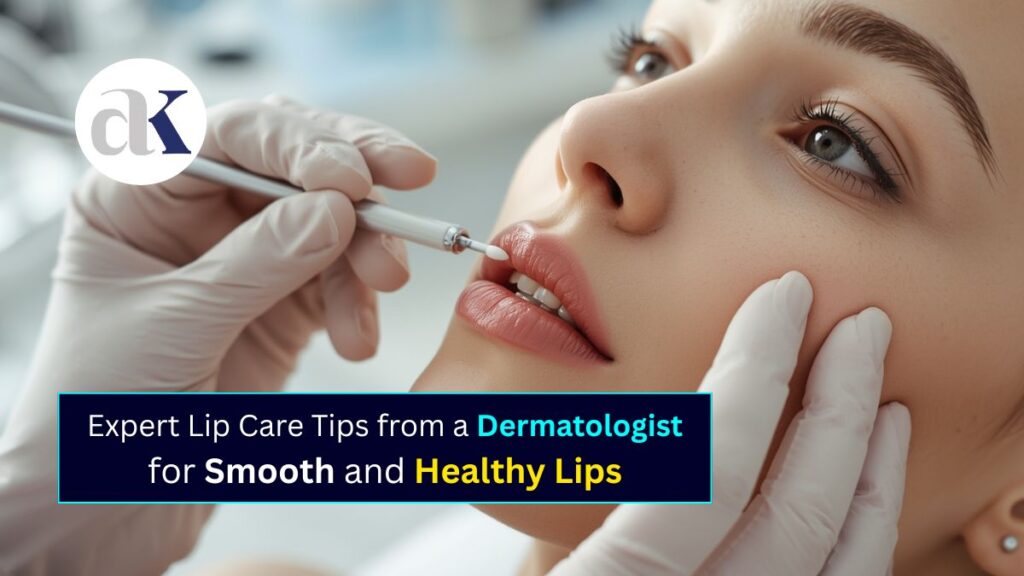
Expert Lip Care Tips from a Dermatologist for Smooth and Healthy Lips Our healthy lips are one of the most delicate and expressive parts of the face, yet they are often neglected in our skincare routine. Constant exposure to sunlight, pollution, dehydration, and harsh products can cause dryness, pigmentation, or chapping. While lip balms offer temporary relief, restoring your lips’ natural health often requires expert care. This is where dermatologists play an essential role. Understand the structure of Healthy Lips Lips are made of thin, sensitive skin that lacks oil glands, which means they cannot produce natural oils like other parts of the body. This makes them more prone to dryness and cracking. Additionally, factors like aging, nutritional deficiencies, smoking, and allergic reactions can contribute to lip damage and discoloration over time. A dermatologist doesn’t just treat these symptoms — they work to find the root cause behind your lip concerns and provide long-term, science-backed solutions. Common Lip Problems Dermatologists Can Treat Know How Dermatologists Restore Healthy Lips Dermatologists use a combination of medical expertise and advanced skin care methods to safely and effectively rejuvenate your healthy lips. Here’s how they help: 1. Personalized Diagnosis Every person’s lips have unique needs. A dermatologist begins by analyzing your lip texture, hydration levels, and pigmentation. They may also ask about lifestyle habits like sun exposure, smoking, or cosmetic use to identify the underlying cause. 2. Medical Treatments Depending on your condition, dermatologists may recommend: 3. Lifestyle and Care Guidance Drinking enough water, eating vitamin-rich foods, avoiding licking your lips, and using SPF lip balms are all part of a healthy lip-care routine. Dermatologists emphasize these habits for maintaining results long-term. 4. Sun Protection Just like your skin, lips can also get sunburned. Dermatologists recommend broad-spectrum lip balms with SPF 15 or higher to prevent damage and pigmentation. 5. Non-Invasive Enhancements If you’re looking for naturally fuller and healthy lips, dermatologists can suggest safe procedures such as hyaluronic acid fillers that hydrate and enhance your lip’s natural shape without overdoing it. Home Care Tips for Healthy Lips Even after professional treatment, maintaining your healthy lips is important. Follow these simple habits: These steps, combined with your dermatologist’s guidance, can keep your healthy lips soft, hydrated, and naturally pink. Why Consult a Dermatologist for Lip Problems? Many people rely on over-the-counter products or home remedies, but not all lip issues are surface-level. A dermatologist can help identify medical causes behind pigmentation, persistent dryness, or infection.As Dr. Atul Kathed, a Skin Specialist in Indore, explains: “Lips are an extension of your skin, and they deserve the same professional care. Regular consultation with a dermatologist ensures that your lip concerns are treated safely and effectively, leading to long-lasting results.” Frequently Asked Questions (FAQs) 1. How can I make my lips naturally pink again? According to Dr. Atul Kathed, Skin Specialist in Indore, maintaining hydration, protecting lips from sun exposure, and avoiding smoking are essential. For stubborn pigmentation, dermatological treatments like mild chemical peels or laser therapy can help restore natural lip color. 2. Why do my lips stay dry even after using lip balm? Dr. Atul Kathed explains that persistent dryness may indicate underlying issues such as allergies, vitamin deficiencies, or lip eczema. Consulting a dermatologist helps identify the exact cause and provides a long-term solution rather than temporary relief. 3. Is it safe to use lemon or toothpaste to lighten lips? No, says Dr. Atul Kathed. These home remedies can irritate and worsen lip dryness. Instead, dermatologists recommend medical-grade creams and treatments that are gentle and effective for lip depigmentation. 4. What are the best treatments for dark lips? Dr. Atul Kathed suggests options like chemical peels, laser therapy, and medicated lip creams tailored to your skin tone. These treatments help reduce pigmentation safely and improve lip texture. 5. How often should I see a dermatologist for lip care? It’s ideal to visit a dermatologist once or twice a year for a general skin and lip health check-up, or sooner if you notice persistent dryness, discoloration, or irritation. In conclusion, healthy lips are not just about appearance—they reflect your overall skin health. With expert care from dermatologists like Dr. Atul Kathed, Skin Specialist in Indore, you can achieve soft, smooth, and naturally radiant lips that truly enhance your smile.
How to Take Proper Care of Oily Skin? from Dermatologist in Indore Dr. Atul Kathed
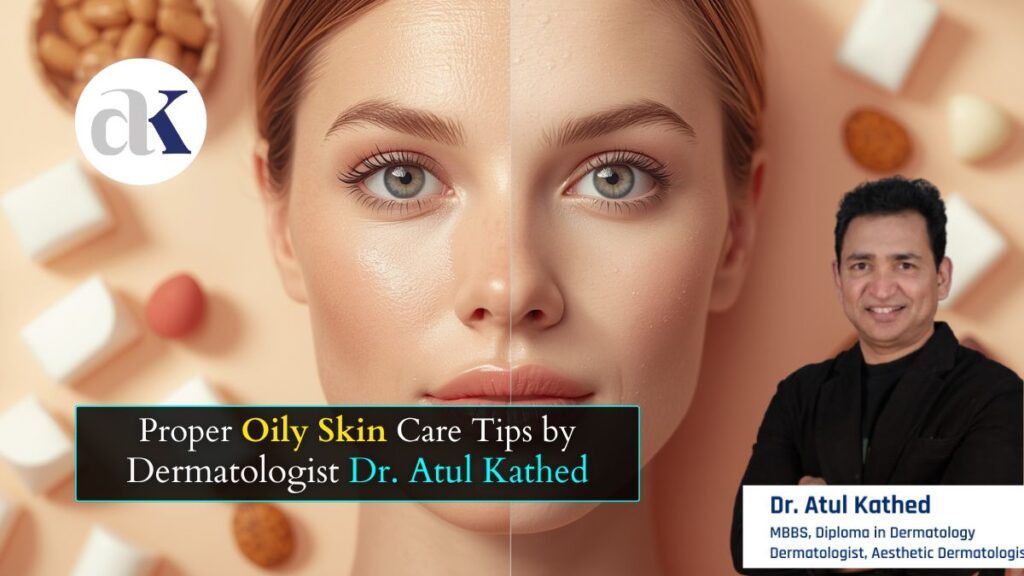
Learn How to Take Proper Care of Oily Skin from Dermatologist in Indore Dr. Atul Kathed Having oily skin can be both a blessing and a challenge. While the natural oils keep your skin hydrated and delay early signs of aging, excess sebum can lead to acne, blackheads, and an unwanted shine. If you struggle to maintain clear, healthy skin despite your efforts, expert guidance can make all the difference. Dermatologist in Indore Dr. Atul Kathed, a leading skin specialist, shares his insights on how to manage and care for oily skin effectively. Understanding Oily Skin Oily skin occurs when the sebaceous glands produce more sebum than necessary. Sebum is essential for protecting your skin, but too much of it can clog pores, attract dust and bacteria, and cause breakouts. According to Dermatologist in Indore Dr. Atul Kathed, this condition is common among teenagers and young adults due to hormonal changes, but adults can also experience it because of genetics, stress, and environmental factors. Daily Skincare Routine for Oily Skin Following a consistent skincare routine is crucial for managing oily skin. Here’s a simple yet effective daily regimen recommended by Dermatologist in Indore Dr. Atul Kathed: Diet and Lifestyle Tips Your lifestyle plays a major role in controlling oily skin. Dermatologist in Indore Dr. Atul Kathed suggests the following tips: Professional Treatments for Oily Skin Sometimes, home care isn’t enough to control excess oil or acne. In such cases, professional dermatological treatments can help. Dermatologist in Indore Dr. Atul Kathed offers advanced treatments like: Each treatment is tailored based on your skin type, lifestyle, and specific concerns. Common Mistakes to Avoid Even with the right skincare routine, small mistakes can worsen oily skin. Dermatologist in Indore Dr. Atul Kathed warns against these habits: By avoiding these errors, your skin can become clearer, smoother, and healthier over time. Frequently Asked Questions 1. Is niacinamide good for oily skin?Yes, niacinamide is excellent for oily skin. It helps regulate sebum production, minimizes enlarged pores, and improves overall skin texture. Dermatologist in Indore Dr. Atul Kathed often recommends products with 5% niacinamide for controlling oil and preventing acne breakouts. 2. Does oily skin get dirty quickly?Oily skin tends to attract more dust and pollutants because excess sebum acts like a magnet for impurities. That’s why Dermatologist in Indore Dr. Atul Kathed advises cleansing your face twice daily and using blotting papers during the day if needed. 3. Is oily skin caused by eating too much oil?Not exactly. Oily skin is primarily caused by genetics and hormonal activity, not by consuming oily food. However, an unhealthy diet rich in fried foods and sugars can worsen sebum production and trigger acne, says Dermatologist in Indore Dr. Atul Kathed. 4. Is oily skin genetic?Yes, genetics play a major role. If your parents have oily skin, there’s a good chance you will too. But with proper care and the right products, it’s entirely manageable. Dermatologist in Indore Dr. Atul Kathed emphasizes that a consistent skincare routine and lifestyle adjustments can help balance even genetically oily skin. Final Thoughts Oily skin doesn’t have to be a lifelong struggle. With expert advice and a little discipline, you can maintain a healthy, glowing complexion. Dermatologist in Indore Dr. Atul Kathed highlights that understanding your skin’s needs is the first step toward effective care. Combine the right skincare routine, balanced diet, and professional guidance to achieve smooth, radiant, and well-managed skin every day.
