
Skin Growths on the Body: Causes, Symptoms, and Removal Options

Not every bump, tag, or wart-like spot on the skin is something to fear—but it should never be ignored either. Skin Growths on the Body are a common concern seen in people of all ages. These growths may appear as tiny raised bumps, rough patches, soft hanging skin, or wart-like lesions on areas such as the neck, underarms, back, arms, and face. While many are harmless, some may indicate infection, friction-related skin changes, or underlying hormonal imbalance. According to skin specialist Dr. Atul Kathed, understanding the cause behind these growths is the first step toward safe and effective treatment. In this article, we will explain the common reasons, symptoms, and best removal options for Skin Growths on the Body in a simple and public-friendly way. What Are Wart-Like Growths on the Skin? Wart-like growths are small raised lesions that can appear rough, thick, soft, or uneven on the skin surface. Some may look like tiny skin-colored bumps, while others may appear darker or feel harder when touched. Many people confuse all such growths with “warts,” but in reality, they can include: This is why proper diagnosis is important. Not all Skin Growths on the Body are the same, and treatment depends on what the growth actually is. What Causes Wart-Like Growths on the Skin? There is no single reason behind wart-like growths. Different skin conditions can create similar-looking bumps. Some of the most common causes include: As Skin Specialist in Indore Dr. Atul Kathed often explains, many Skin Growths on the Body may appear harmless initially, but self-diagnosis can be misleading. A dermatologist can identify whether the growth is infectious, friction-related, or something else entirely. Why Do Skin Growths Develop? Skin growths develop when there is an overgrowth of skin cells, thickening of tissue, viral activity, or repeated irritation. In simple terms, the skin reacts to internal or external triggers by forming a visible bump or lesion. Some people may develop these growths because of: This is why Skin Growths on the Body are often seen in areas where the skin is exposed to friction, moisture, or repeated pressure. Do Hormonal Changes Lead to Skin Growths? Yes, in many cases, hormonal changes can contribute to the appearance of certain skin growths. Hormonal imbalance can affect the way skin cells behave and may increase the tendency to develop: These changes are often noticed during: Advice from Indore dermatologist Dr. Atul Kathed that if a person suddenly notices multiple Skin Growths on the Body, especially around the neck or underarms, it may be wise to evaluate not just the skin—but also possible internal triggers like hormones or metabolism. Why Do Skin Growths Commonly Appear on the Back of the Neck and Arms? The back of the neck and arms are common sites because these areas are often exposed to friction, sweat, and repeated movement. Tight clothing, collars, jewelry, heat, and rubbing can all irritate the skin over time. The neck area, in particular, is also linked with: Similarly, the arms may develop wart-like or rough growths due to sun exposure, dry skin, repeated irritation, or viral spread through scratching. That is why Skin Growths on the Body often show up in these high-friction or high-contact areas first. Can Skin Growths Become Hard Over Time? Yes, some skin growths can become hard, rough, or thicker over time—especially if they are left untreated or repeatedly irritated. Growths that are constantly rubbed by clothing, scratched, or exposed to friction may develop a firmer surface. A skin growth may harden because of: However, not every hard growth is harmless. If a lesion changes in shape, color, size, or texture, it should be examined by a dermatologist. Dr. Atul Kathed recommends that any unusual Skin Growths on the Body should be assessed early rather than treated with random home remedies. What Is the Best Treatment for Removing Skin Growths? The best treatment depends entirely on the type of skin growth. There is no one-size-fits-all solution. A dermatologist first identifies whether the lesion is a wart, skin tag, keratosis, or another benign growth before deciding the right removal method. Common treatment options include: 1. Laser Removal A precise and modern option often used for selected skin growths. 2. Radiofrequency or Electrocautery Helpful for removing raised lesions safely with minimal bleeding. 3. Cryotherapy This method uses controlled freezing and is often used for certain warts. 4. Minor Procedure / Excision Some growths may need to be carefully cut or removed under medical supervision. 5. Medical Treatment If the growth is viral or related to skin thickening, topical treatment may also be advised. Dr. Atul Kathed emphasizes that Skin Growths on the Body should never be picked, cut, or burned at home, as this can lead to infection, scarring, or recurrence. Final Thoughts Although many Skin Growths on the Body are non-cancerous and treatable, it is always best to get them checked if they are increasing, becoming painful, changing color, or causing cosmetic discomfort. Early diagnosis can prevent unnecessary worry and ensure the right treatment at the right time. If you notice unusual wart-like bumps, rough growths, or hanging lesions on your skin, consult a qualified dermatologist like Dr. Atul Kathed for proper evaluation and safe removal. Healthy skin begins with the right information—and the right care.
महिलाओं के चेहरे पर अनचाहे बाल क्यों आते हैं? कारण, लक्षण और हटाने के तरीके

आज के समय में चेहरे पर अनचाहे बाल (Facial Hair) महिलाओं के लिए एक आम लेकिन परेशान करने वाली समस्या बन गई है। खासकर जब यह बाल ठोड़ी (chin), upper lip या साइड फेस पर दिखने लगते हैं, तो आत्मविश्वास भी प्रभावित होता है। Indore के प्रसिद्ध त्वचा विशेषज्ञ Skin Specialist in Indore डॉ. अतुल काठेड के अनुसार, इस समस्या को समझना और सही समय पर इलाज करना बहुत जरूरी है। आइए जानते हैं इसके कारण, लक्षण और प्रभावी समाधान। महिलाओं के चेहरे पर बाल क्यों आते हैं? महिलाओं में अनचाहे चेहरे के बालों का मुख्य कारण हार्मोनल परिवर्तन है। महिलाओं में आमतौर पर एस्ट्रोजन हार्मोन का स्तर अधिक होता है, लेकिन जब एंड्रोजन (पुरुष हार्मोन) का स्तर बढ़ता है, तो चेहरे पर बाल उगने लगते हैं। लड़कियों के फेस पर अनचाहे बाल आने के मुख्य कारण क्या हार्मोनल असंतुलन से चेहरे पर बाल आ सकते हैं? हाँ, बिल्कुल। हार्मोनल imbalance होने पर androgen level बढ़ जाता है, जिससे चेहरे पर अनचाहे बाल उगने लगते हैं। यह समस्या खासकर puberty, pregnancy या menopause के दौरान ज्यादा देखी जाती है। चेहरे पर बाल किसकी कमी से आते हैं? कई बार कुछ पोषक तत्वों की कमी भी इस समस्या को बढ़ा सकती है, जैसे: हालांकि ये मुख्य कारण नहीं हैं, लेकिन इनकी कमी शरीर के हार्मोनल संतुलन को प्रभावित कर सकती है, जिससे चेहरे पर अनचाहे बालों की वृद्धि हो सकती है। क्या PCOS या थायरॉयड से facial hair बढ़ता है? जी हाँ। इसलिए अगर आपको लगातार चेहरे पर अनचाहे बाल बढ़ते हुए दिखें, तो देरी न करें, अपने नजदीकी त्वचा विशेषज्ञ से संपर्क करें जो आपको सही मार्गदर्शन दे सकते हैं और Unwanted Hair से बचने में आपकी मदद कर सकते हैं। चिन (ठोड़ी) और upper lip पर बाल आने के कारण ठोड़ी और upper lip पर बाल आने के पीछे मुख्य कारण हैं: इन जगहों पर बाल अक्सर घने और गहरे रंग के उगते हैं, जिससे समस्या और भी स्पष्ट हो जाती है। यही कारण है कि कई महिलाएं चेहरे के अनचाहे बालों को हटाने के लिए बार-बार अलग-अलग तरीके अपनाती हैं। क्या genetics से भी चेहरे पर बाल आते हैं? हाँ, genetics एक महत्वपूर्ण भूमिका निभाता है। अगर आपकी मां या परिवार की अन्य महिलाओं को यह समस्या रही है, तो आपको भी शरीर पर अनचाहे बाल होने की संभावना बढ़ जाती है। Facial hair और open pores का क्या संबंध है? जब skin पर hair growth ज्यादा होती है, तो pores भी बड़े दिखाई देने लगते हैं। इसके अलावा: इन सब कारणों से pores और भी ज्यादा open दिखने लगते हैं। इसलिए सही skincare और treatment जरूरी है। चेहरे के अनचाहे बाल हटाने के सुरक्षित और effective तरीके अगर आप चेहरे पर अनचाहे बाल हटाना चाहती हैं, तो ये तरीके अपनाए जा सकते हैं: 1. थ्रेडिंग और वैक्सिंग यह temporary solutions हैं, लेकिन sensitive skin में irritation हो सकता है। 2. Laser Hair Removal यह एक advanced और long-term solution है। Dr. Atul Kathed के अनुसार, लेज़र ट्रीटमेंट बालों की जड़ों को कमजोर कर देता है, जिससे धीरे-धीरे शरीर पर अनचाहे बाल कम हो जाते हैं। 3. Electrolysis यह method बालों की जड़ को permanently destroy करता है, लेकिन थोड़ा time-consuming होता है। 4. Medications Hormonal imbalance होने पर डॉक्टर दवाइयां prescribe कर सकते हैं। 5. Proper Skincare क्या facial hair को permanently खत्म किया जा सकता है? पूरी तरह permanently खत्म करना मुश्किल हो सकता है, लेकिन इसे काफी हद तक कम किया जा सकता है। इन सबकी मदद से चेहरे पर अनचाहे बाल को लंबे समय तक control में रखा जा सकता है। निष्कर्ष (Conclusion) चेहरे पर अनचाहे बाल एक आम लेकिन संवेदनशील समस्या है, जिसे नजरअंदाज नहीं करना चाहिए। इसके पीछे हार्मोनल असंतुलन, PCOS, genetics या अन्य कारण हो सकते हैं। सही जानकारी और सही ट्रीटमेंट से इस समस्या को कंट्रोल किया जा सकता है। अगर आप भी इस समस्या से परेशान हैं, तो समय रहते किसी विशेषज्ञ से सलाह लेना जरूरी है। इंदौर में Best Skin Specialist in Indore Dr. Atul Kathed से परामर्श लेकर आप सुरक्षित और प्रभावी उपचार पा सकते हैं और अपनी स्किन को फिर से खूबसूरत बना सकते हैं।
Top 10 Summer Fruits for Glowing Skin – Learn from Dermatologist Dr. Atul Kathed

Summer in India can be harsh on the skin. Strong sunlight, dehydration, pollution, and heat often lead to dullness, tanning, acne, and early signs of aging. While many people focus on skincare products, dermatologists often emphasize that healthy skin begins with proper nutrition. One of the simplest and most natural ways to nourish your skin is by adding the right fruits to your daily diet. According to Dr. Atul Kathed, Skin Specialist in Indore, seasonal fruits are packed with vitamins, antioxidants, and water content that help keep the skin hydrated, clear, and naturally glowing. Including summer fruits for glowing skin in your daily routine can significantly improve skin health from the inside out. Let’s understand how fruits help your skin and explore the best options for the summer season. What Are the Health Benefits of Fruits for Glowing Skin? Fruits are often called nature’s skincare because they contain essential nutrients that support skin repair and protection. Many dermatologists recommend summer fruits for glowing skin because they help the body stay hydrated while supplying vital vitamins. Here are some key benefits of fruits for healthy and glowing skin: 1. Hydration for Healthy Skin Many summer fruits contain a high percentage of water, which helps maintain skin hydration. Proper hydration prevents dryness, flakiness, and dullness. Hydrated skin also appears smoother and more radiant. 2. Rich Source of Antioxidants Fruits like berries and mangoes are rich in antioxidants. These compounds protect the skin from free radical damage caused by sun exposure and pollution. Antioxidants also slow down early aging signs like wrinkles and fine lines. 3. Vitamin C for Bright Skin Vitamin C is essential for collagen production, which keeps the skin firm and youthful. Citrus fruits and berries are excellent summer fruits for glowing skin because they support collagen formation and improve skin brightness. 4. Natural Detoxification Fruits help flush toxins from the body, which can reduce acne breakouts and skin inflammation. A clean digestive system often reflects as clearer skin. 5. Supports Skin Repair Many fruits contain vitamins A and E, which help repair damaged skin cells and improve overall skin texture. As Dr. Atul Kathed, Skin Specialist in Indore, explains, a balanced diet that includes summer fruits for glowing skin can work alongside skincare treatments to maintain long-term skin health. Top 10 Summer Fruits for Glowing Skin Here are some of the best fruits that dermatologists often recommend for healthy and glowing skin during the summer season. 1. Watermelon Watermelon is one of the most hydrating fruits available in summer. It contains more than 90% water, which helps keep the skin moisturized and refreshed. It also contains vitamins A and C that promote healthy skin. 2. Mango Mango is known as the “king of fruits,” and it also supports glowing skin. It contains beta-carotene and vitamin C, which improve skin texture and enhance natural radiance. 3. Papaya Papaya contains natural enzymes like papain that help remove dead skin cells. Regular consumption of papaya can improve skin clarity and reduce pigmentation. 4. Orange Oranges are rich in vitamin C, which supports collagen production and improves skin brightness. They are among the most recommended summer fruits for glowing skin because they help maintain youthful skin. 5. Pineapple Pineapple contains bromelain, an enzyme known for reducing inflammation and supporting skin healing. It also helps maintain clear skin and improves digestion. 6. Strawberries Strawberries are rich in antioxidants and vitamin C. They help protect the skin from sun damage and promote an even skin tone. 7. Pomegranate Pomegranate supports blood circulation and helps skin cells regenerate faster. It also helps improve skin elasticity and natural glow. 8. Muskmelon (Cantaloupe) Muskmelon is another highly hydrating fruit that helps maintain skin moisture during hot weather. It also contains vitamin A, which supports skin renewal. 9. Kiwi Kiwi contains high levels of vitamin C and vitamin E, both essential for healthy skin. These nutrients help maintain skin elasticity and reduce dullness. 10. Grapes Grapes contain powerful antioxidants like resveratrol that protect the skin from environmental damage and premature aging. Including these summer fruits for glowing skin in your diet can naturally enhance skin health while keeping your body cool during the hot season. Tips to Get Maximum Skin Benefits from Summer Fruits To make the most of summer fruits for glowing skin, dermatologists recommend following a few simple habits: According to Dr. Atul Kathed, Skin Specialist in Indore, healthy eating habits combined with proper skincare routines can significantly improve skin appearance and prevent common summer skin problems. Final Thoughts Healthy skin does not depend only on creams or treatments. What you eat plays a major role in maintaining your skin’s natural glow. Including summer fruits for glowing skin in your daily diet can provide hydration, essential vitamins, and antioxidants that help protect and repair your skin. If you are experiencing persistent skin concerns such as dullness, acne, or pigmentation, consulting a dermatologist can help identify the right treatment and skincare plan. As recommended by Dr. Atul Kathed, Skin Specialist in Indore, combining professional skin care advice with a nutrient-rich diet that includes summer fruits for glowing skin is one of the most effective ways to achieve naturally healthy and radiant skin. Summer in India can be harsh on the skin. Strong sunlight, dehydration, pollution, and heat often lead to dullness, tanning, acne, and early signs of aging. While many people focus on skincare products, dermatologists often emphasize that healthy skin begins with proper nutrition. One of the simplest and most natural ways to nourish your skin is by adding the right fruits to your daily diet. According to Dr. Atul Kathed, Skin Specialist in Indore, seasonal fruits are packed with vitamins, antioxidants, and water content that help keep the skin hydrated, clear, and naturally glowing. Including summer fruits for glowing skin in your daily routine can significantly improve skin health from the inside out. Let’s understand how fruits help your skin and explore the best options for the summer season.
Why Does Your Skin Look Dull? Know from Skin Specialist Dr. Atul Kathed

Have you ever noticed that just before an important office meeting or a special family function, your skin suddenly loses its glow? Many people wonder why their skin look dull even when they are using good skincare products. According to Dr. Atul Kathed, dull skin is rarely just a surface-level problem. In most cases, it is your body’s way of communicating that something deeper needs attention. Dull Skin Is a Signal, Not a Failure One common misconception is that skincare products alone can fix everything. When people complain that their skin look dull, they often blame pollution, stress, or cosmetics. While these factors do play a role, Dr. Atul Kathed explains that skin does not fail you randomly. Instead, it reflects internal imbalances and lifestyle habits that are often ignored. Your skin is a living organ that responds to what you eat, how you sleep, how active you are, and how well your internal systems are functioning. If these systems are disturbed, your skin is usually the first place where signs appear. The Gut–Skin Connection You Should Not Ignore One of the most overlooked reasons why skin look dull is poor gut health. Issues such as gut inflammation, bloating, acidity, and irregular digestion directly impact nutrient absorption. When your body is not absorbing vitamins, minerals, and antioxidants properly, your skin does not receive what it needs to repair and regenerate. Even if you apply expensive creams, dullness can persist if your gut health is compromised. A balanced diet rich in fiber, probiotics, and hydration plays a key role in restoring natural skin brightness from within. Hormonal Changes and Their Impact on Skin Glow Hormones have a powerful influence on skin texture and tone. Fluctuations related to stress, menstrual cycles, thyroid imbalance, or lifestyle changes can easily make your skin look dull. Hormonal imbalance may slow down cell turnover, reduce collagen production, and affect oil balance, all of which contribute to a tired and lifeless appearance. Managing stress, following a routine, and seeking medical guidance when symptoms persist can help bring hormones back into balance and improve overall skin quality. Lifestyle Habits That Steal Your Skin’s Radiance Modern lifestyles are often a major reason behind dull-looking skin. Irregular meal timings, excessive junk food, lack of physical activity, and prolonged screen time disrupt the body’s natural rhythm. When these habits continue, it is common to notice that your skin look dull despite using multiple skincare products. Regular exercise improves blood circulation, which helps deliver oxygen and nutrients to skin cells. This natural boost supports healthy skin regeneration and a visible glow. Sleep and Circadian Rhythm Matter More Than You Think Sleep is not just rest; it is repair time for your body and skin. Poor sleep quality or late-night routines disturb the circadian rhythm, which controls hormone release and cell repair. When sleep is inadequate, toxins accumulate, inflammation increases, and skin renewal slows down. This is why people who do not sleep on time often complain that their skin look dull and tired. Consistent sleep patterns and 7–8 hours of quality rest can significantly improve skin clarity and freshness. Eating Right Is as Important as What You Apply What you eat and how you eat matters just as much as your skincare routine. Skipping meals, overeating, or consuming highly processed foods can lead to inflammation and nutritional deficiencies. Over time, these habits reflect on the skin, making it appear uneven and lifeless. Hydration is another key factor. Dehydration reduces skin elasticity and glow, making the skin look dull and rough. Drinking enough water and including fruits, vegetables, and healthy fats in your diet can support long-term skin health. Stop Looking at Skin in Isolation A major mistake many people make is treating skin as a separate entity. Skin Specialist Dr. Atul Kathed emphasizes that if you look at skin in isolation and ignore overall health, achieving long-lasting glow is difficult. When internal health is weak, no topical solution can fully compensate for it. Healthy skin is a mirror of healthy living. When your digestion, hormones, sleep, and lifestyle are balanced, your skin naturally reflects that balance. The Real Secret to Naturally Glowing Skin If your skin look dull, the solution is not always a new product or treatment. It often begins with understanding your body’s signals and making small but consistent changes in daily life. Improving gut health, managing stress, exercising regularly, sleeping on time, and eating mindfully can transform skin from within. In simple words, good health shows on your skin, and poor health does too. When you take care of your body as a whole, your skin does not need to struggle to look healthy—it simply does.
Is Sugar Good for Skin? Here’s How It Affects Acne, Aging & Elasticity

Is Sugar Good for Skin? Effects Explained by Skin Specialist in Indore Dr. Atul Kathed Many people often ask, is sugar good for skin? While sugar provides quick energy to the body, its effect on skin health is mostly negative when consumed in excess. Refined sugar weakens collagen, increases inflammation, and triggers hormonal changes that lead to acne and early aging. According to Dr. Atul Kathed, understanding is sugar good for skin or not is important because diet plays a major role in long-term skin quality. Occasional sugar intake may not harm you, but regular consumption can silently damage your skin from within. In simple terms: If you’re wondering is sugar good for skin?, the answer is no—especially when consumed frequently or in processed forms. Is Sugar Good for Skin or Not? Understanding the Truth To clearly understand is sugar good for skin or not, you need to look at how sugar behaves inside the body. High sugar intake leads to glycation, a process that damages collagen and elastin, making skin lose firmness and elasticity. This explains why people who consume sugary foods daily often experience: So when patients ask is sugar good for skin health, dermatologists usually recommend limiting sugar to protect skin structure and glow. Is Sugar Good for Skin in Any Way? You might still wonder, is sugar good for skin in any situation? Sugar itself does not directly improve skin. However, natural sugars found in fruits come with fiber, antioxidants, and vitamins that support skin repair. The benefit comes from the nutrients, not the sugar alone. That’s why whole fruits are healthier than desserts or sugary drinks. So, if you are asking is sugar good for skin? naturally, the answer depends on the source and quantity. Is Sugar Good for Skin vs Sugar Disadvantages for Skin When comparing is sugar good for skin versus its disadvantages, the harmful effects clearly outweigh the benefits. Sugar Disadvantages for Skin: This is why dermatologists strongly advise reducing sugar intake for clearer, healthier skin. Can You Reverse Sugar Damage to Skin? People who ask is sugar good for skin often also want to know if damage can be reversed. The good news is that skin can recover once sugar intake is reduced. By cutting down sugar and following a balanced diet: Within a few weeks, many individuals notice visible improvement in their skin’s texture and brightness. Face Before and After Quitting Sugar – Skin Changes Explained If you’re still questioning is sugar good for skin, the before-and-after results of quitting sugar tell the story clearly. Before reducing sugar: After reducing sugar: These changes highlight why sugar control is essential for healthy skin. Is Honey or Natural Sugar Good for Skin? Another common question is is sugar good for skin? when it comes from honey or jaggery? While these are better alternatives, they still affect blood sugar levels. Moderation remains key. Even natural sugars can cause skin issues if consumed in excess. Final Verdict: Is Sugar Good for Skin? So, is sugar good for skin? The honest answer is no when consumed in large amounts. Reducing sugar is one of the easiest lifestyle changes you can make to improve skin health, slow aging, and reduce acne. As emphasized by Dr. Atul Kathed, combining a low-sugar diet with proper skincare leads to long-term skin clarity and glow.
Why Do Pimples Occur? Effects of Sour Food, Curd, and Sugar on Skin – Learn from Dr. Atul Kathed
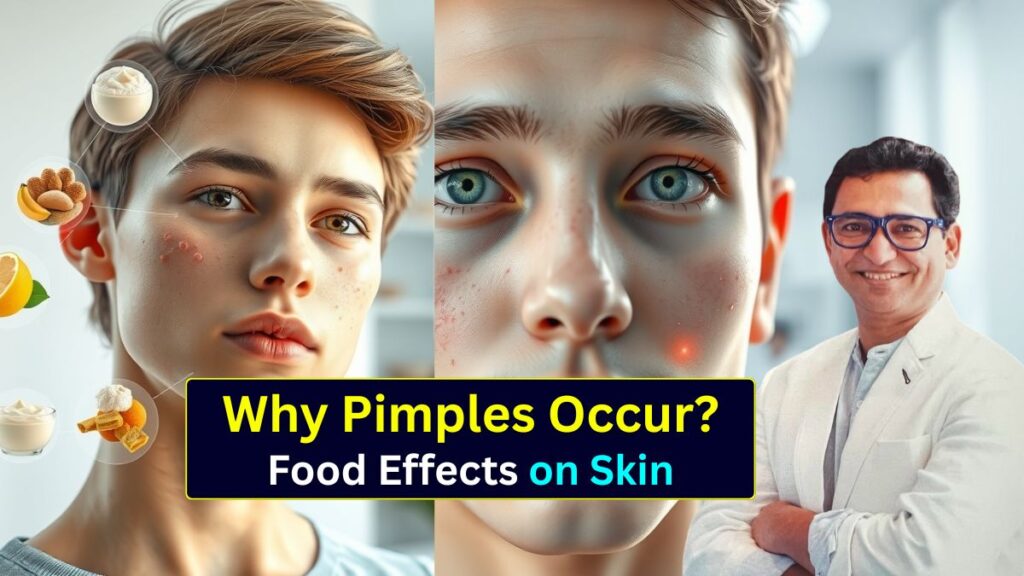
Pimples are one of the most common skin problems affecting teenagers and adults alike. Many people notice that their breakouts increase after eating certain foods like sour items, curd, or sweets, which leads to confusion and myths about diet and skin health. According to Skin Specialist Dr. Atul Kathed, pimples are not caused by food alone, but diet can definitely influence how your skin behaves, especially if you already have oily or acne-prone skin. Understanding why pimples occur and how daily food habits affect your skin can help you make better lifestyle choices and prevent recurring breakouts. Why Do Pimples Occur? Pimples develop when pores get blocked due to excess oil (sebum), dead skin cells, and bacteria. Hormonal changes, stress, improper skincare, and diet all play supporting roles. As explained by Skin Specialist Dr. Atul Kathed, pimples usually appear when oil glands become overactive, leading to inflammation and bacterial growth under the skin. Factors such as lack of sleep, frequent touching of the face, and using unsuitable skincare products can worsen the condition. Why Does Eating Sour Food Cause Pimples on the Face? Sour foods like pickles, tamarind, vinegar, and citrus fruits are acidic in nature. When consumed in excess, they may disturb digestion and increase heat in the body. Poor digestion can reflect on the skin in the form of pimples, especially around the mouth and chin area. According to Skin Specialist Dr. Atul Kathed, sour food does not directly cause pimples, but overeating it may trigger inflammation and oil imbalance in people who are already prone to acne. Why Does Eating Curd Cause Pimples? Curd is considered healthy, but it may not suit everyone’s skin. Dairy products can influence insulin and hormone levels, which may increase oil production. Some people experience breakouts after consuming curd, especially at night or during humid weather. As per Skin Specialist Dr. Atul Kathed, people with sensitive or acne-prone skin should observe how their skin reacts to curd and limit intake if they notice frequent breakouts. Does Eating Sweets Harm the Face? Sugary foods such as chocolates, cakes, and soft drinks can spike blood sugar levels. This increases insulin production, which can stimulate oil glands and worsen pimples. Excess sugar also promotes inflammation, making existing acne more severe. Skin Specialist Dr. Atul Kathed advises reducing refined sugar intake and choosing natural alternatives like fruits to maintain clearer and healthier skin. What Is the Difference Between Pimples and Acne? Many people use pimples and acne interchangeably, but they are not exactly the same. Pimples are occasional breakouts that appear due to clogged pores and usually heal quickly. Acne, on the other hand, is a chronic skin condition that includes blackheads, whiteheads, cysts, and painful nodules. Acne often leaves scars if not treated properly. According to Skin Specialist Dr. Atul Kathed, persistent or painful breakouts should not be ignored, as early treatment can prevent long-term skin damage. Deficiency of Which Vitamin Causes Pimples and Acne? Vitamin deficiencies can also impact skin health. Lack of Vitamin A may lead to excessive oil production, while Vitamin B12 imbalance has been linked to acne flare-ups. Vitamin D deficiency can weaken skin immunity, making it more prone to infections and inflammation. Skin Specialist Dr. Atul Kathed emphasizes maintaining a balanced diet rich in vitamins, minerals, and antioxidants to support healthy skin from within. Frequently Asked Questions About Pimples and Diet Can food alone cause pimples?No, food alone does not cause pimples. It acts as a trigger along with hormones, skincare habits, and genetics. Should I stop eating sour food completely?No, moderation is key. Avoid excessive consumption and maintain good digestion. Is oily skin more prone to pimples?Yes, oily skin produces more sebum, which can clog pores and lead to breakouts. When should I consult a dermatologist?If pimples are painful, recurring, or leaving marks, professional treatment is recommended. Final Thoughts Pimples are a result of multiple internal and external factors. While foods like sour items, curd, and sweets can influence breakouts, they are not the sole cause. Healthy eating, proper skincare, and timely medical advice play a crucial role in achieving clear skin. If you are struggling with frequent pimples or acne, consulting an experienced dermatologist like Skin Specialist Dr. Atul Kathed can help you identify the root cause and get personalized treatment for long-term skin health.
Why Is Melasma More Common in Indian Women?
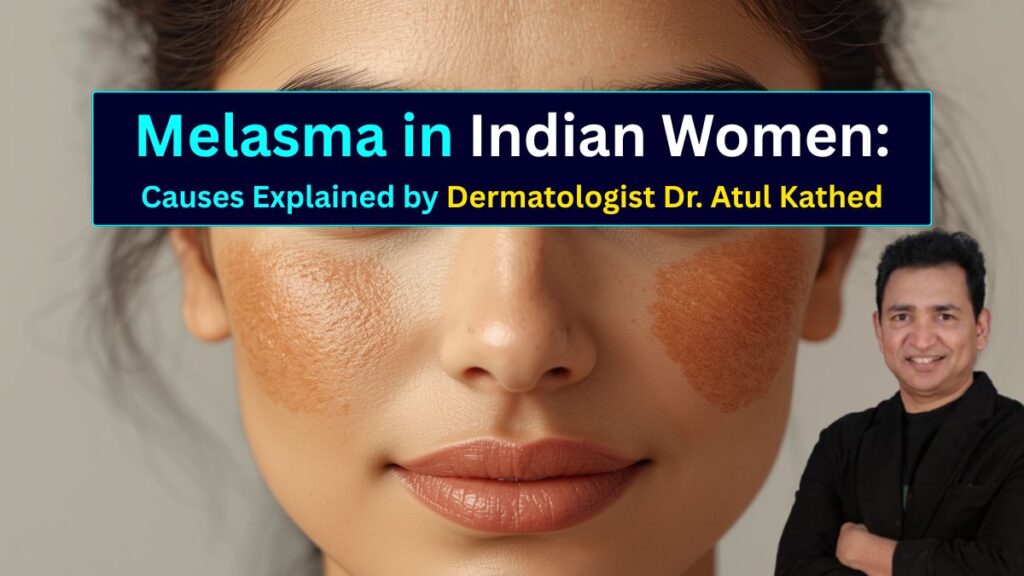
Melasma is a common skin condition that causes brown or greyish patches on the face. It mainly affects the cheeks, forehead, nose, and upper lip. Many women notice it gradually and feel distressed by its appearance. Melasma in indian women is seen more frequently because of a mix of genetic, hormonal, and environmental factors. The condition is harmless but emotionally challenging. Understanding the reasons behind it helps in better control and prevention. Indian women often have Fitzpatrick skin types III to V. These skin types produce more melanin naturally. Melanin is the pigment responsible for skin color. When melanin production becomes uneven, patches start to appear. This is one major reason melasma in indian women is widely reported in dermatology clinics. What Is the Main Cause of Melasma in Women in India? The primary cause of melasma is overproduction of melanin. Hormonal imbalance plays a significant role in triggering this condition. Estrogen and progesterone stimulate pigment-producing cells. Indian women experience frequent hormonal changes during life. These changes increase the risk of pigmentation disorders. Genetics also matters. If melasma runs in the family, the chances increase. Many patients report that their mother or sister had similar patches. Environmental exposure further worsens the problem. All these factors together explain why melasma in indian women is so prevalent. What Is the Difference Between Pigmentation and Melasma? Pigmentation is a broad term. It includes any darkening of the skin. Pigmentation can occur due to acne marks, sun damage, or injury. Melasma is a specific type of pigmentation. It usually appears symmetrically on the face. Melasma is deeper and more stubborn. Regular pigmentation may fade with basic creams. Melasma often requires long-term dermatological care. This distinction is important while planning treatment. Many patients confuse the two conditions. Clear diagnosis helps manage melasma in indian women effectively. Why Is Melasma More Common in Darker Skin Tones? Darker skin tones contain more active melanocytes. These cells respond strongly to triggers like sunlight and hormones. Even mild exposure can cause pigment overproduction. This makes darker skin more vulnerable to melasma. Indian skin also shows delayed recovery from pigmentation. Once melanin is deposited, it stays longer. This is why patches become persistent. Dermatologist in Indore Dr. Atul Kathed often explains that melasma in Indian women is not caused by poor skincare. It is a biological response of the skin. Why Do Women Develop Melasma After Pregnancy? Pregnancy causes major hormonal fluctuations. Estrogen and progesterone levels rise sharply. These hormones stimulate melanocytes. This leads to dark patches known as the “mask of pregnancy.” Sun exposure during pregnancy further worsens pigmentation. Many women neglect sunscreen during this phase. Stress and nutritional changes also contribute. After delivery, melasma may fade slowly. In many cases, it persists without treatment. This explains the rise of melasma in indian women after childbirth. Is Excessive Sun Exposure on the Face a Cause of Melasma? Yes, sun exposure is a major trigger. Ultraviolet rays activate pigment cells. Indian weather involves strong sunlight most of the year. Daily activities expose the face continuously. Even short exposure without protection can worsen melasma. Visible light from screens also plays a role. This makes sun protection essential. Dr. Atul Kathed Dermatologist in indore emphasis sunscreen as the first step in managing melasma in indian women. How to Get Rid of Melasma? Melasma treatment requires patience. There is no instant cure. A dermatologist first identifies the depth of pigmentation. Treatment plans are then customized. Medical creams help reduce melanin production. Sunscreen is mandatory every day. Oral medications may be advised in selected cases. Chemical peels and laser treatments are used cautiously. Lifestyle changes improve long-term results. Avoiding harsh products is important. Self-medication often worsens the condition. Regular follow-up ensures safe progress. With proper care, melasma can be effectively controlled in Indian women. Common Questions People Ask on Google Many people ask if melasma is permanent. The answer is no, but it is chronic. It can recur if triggers return. Another common question is whether home remedies work. Home remedies alone are usually insufficient. People also ask if men can get melasma. Yes, but it is less common. Women are affected more due to hormones. Early treatment always gives better outcomes. Skin specialist in Indore Dr. Atul Kathed says that education and awareness reduce the distress associated with melasma in Indian women. Final Thoughts Melasma is a complex condition influenced by hormones, sun exposure, and genetics. Indian skin is naturally more sensitive to pigment changes. Understanding the causes helps reduce guilt and fear. Proper diagnosis is essential for success. With expert guidance and consistent care, With 28 years of experience, dermatologist Dr. Atul Kathed believes that melasma can be effectively managed. When expectations are realistic, confidence grows. Awareness is the first step towards healthy skin and improved self-esteem.
Essential Skin Care in Winter: Expert Tips for Healthy, Glowing Skin

Winter brings a lot of changes—cooler temperatures, dry winds, and reduced humidity. While the season feels refreshing, it can be extremely harsh on your skin. Many people notice that their skin becomes dry, itchy, flaky, or irritated as soon as the weather shifts. This happens because cold air pulls moisture away from the skin, disrupting its natural barrier. That’s why proper skin care in winter becomes essential to maintain softness, hydration, and protection. Avoid Hot Water to Protect Your Skin One of the most common mistakes people make in winter is washing their face with very hot water. Although hot water feels soothing on a cold day, it can strip away the skin’s natural oils, making it more vulnerable to irritation. In some cases, using very hot water can even cause mild burns or redness. To avoid this, always use lukewarm water when cleansing your face. This small change is one of the simplest yet most effective steps in skin care in winter. Choose Gentle Cleansers and Hydrating Moisturizers A good winter skincare routine starts with gentle cleansing. Harsh cleansers can make dryness worse, so opt for mild, hydrating formulas that protect your skin barrier. After cleansing, apply a moisturizer while your skin is still slightly damp. This helps lock in moisture and keeps your skin hydrated for longer. For more effective skin care in winter, choose products that contain ceramides, hyaluronic acid, glycerin, or shea butter. These ingredients deeply nourish the skin and strengthen its barrier. Don’t Skip Exfoliation Another important part of skin care in winter is exfoliation. Many people avoid exfoliating in cold months, assuming it will increase dryness. However, gentle exfoliation once or twice a week actually helps remove dead skin cells, allowing moisturizers to absorb better. Just remember to use mild exfoliants and avoid over-scrubbing. Sunscreen Is Still Essential in Winter Sunscreen remains essential even in winter. Although the sun feels weaker, UV rays still reach your skin and can cause pigmentation, tanning, and premature aging. Include a broad-spectrum SPF 30 sunscreen in your skin care in winter routine. Apply it every morning, even on cloudy days, to protect your skin from long-term damage. Consult a Dermatologist for Winter Skin Issues If your skin becomes extremely dry or sensitive during the cold season, consulting a dermatologist is important. A specialist can guide you with the right products and treatments depending on your skin type. Many people unknowingly use harsh products in winter, which worsens dryness, irritation, or redness. Getting professional advice ensures that your skin care in winter routine is safe, effective, and customized. Hydration and Nutrition Matter Hydration also plays a major role in keeping your skin healthy during winter. Drinking enough water, using a humidifier at home, and adding antioxidant-rich foods to your diet can significantly improve skin health. When your body is well-hydrated, it naturally reflects on your skin. Healthy habits complement your skin care in winter routine and make results more noticeable. Don’t Forget Lips and Hands Lips and hands are often the first to show signs of dryness when the temperature drops. Applying a hydrating lip balm and using a nourishing hand cream throughout the day can prevent cracking and discomfort. A targeted approach like this strengthens your overall skin care in winter plan and keeps you protected throughout the season. Extra Care for Sensitive Skin Conditions People with eczema, psoriasis, and extremely sensitive skin need extra care in cold months. Using fragrance-free products, avoiding hot showers, and applying thick moisturizers can help manage flare-ups. For these conditions, personalized skin care in winter guidance from a dermatologist is highly recommended. Stay Consistent With Your Routine Finally, consistency is the key to healthy winter skin. Even the best products won’t work if your routine keeps changing. Stick to a simple, nourishing skincare routine and adjust only when necessary. The goal of skin care in winter is to protect your natural barrier, maintain hydration, and prevent irritation. Frequently Asked Questions 1. How can I protect my skin in winter naturally? You can protect your skin naturally by using lukewarm water, applying thick moisturizers, drinking plenty of water, using a humidifier, and choosing gentle, fragrance-free products. 2. Is hot water bad for the skin in winter? Yes. Hot water strips away natural oils, makes the skin dry, and can sometimes cause redness or burns. Lukewarm water is safer for winter skincare. 3. Why does skin become dry in winter? Cold air has low humidity, which pulls moisture away from the skin. Indoor heaters worsen the dryness. This combination damages the skin barrier and leads to dry, flaky skin. 4. Should I use sunscreen in winter? Absolutely. UV rays are present year-round. Applying sunscreen daily prevents tanning, sun damage, and premature aging. 5. What type of moisturizer is best for winter? Thicker moisturizers with ingredients like ceramides, hyaluronic acid, glycerin, and shea butter are ideal for skin care in winter because they help lock in moisture and protect the skin barrier. 6. How often should I exfoliate in winter? Exfoliating once or twice a week is enough. Gentle exfoliation improves absorption of moisturizers without damaging the skin.
How Dermatologists Help Restore the Natural Health of Your Lips
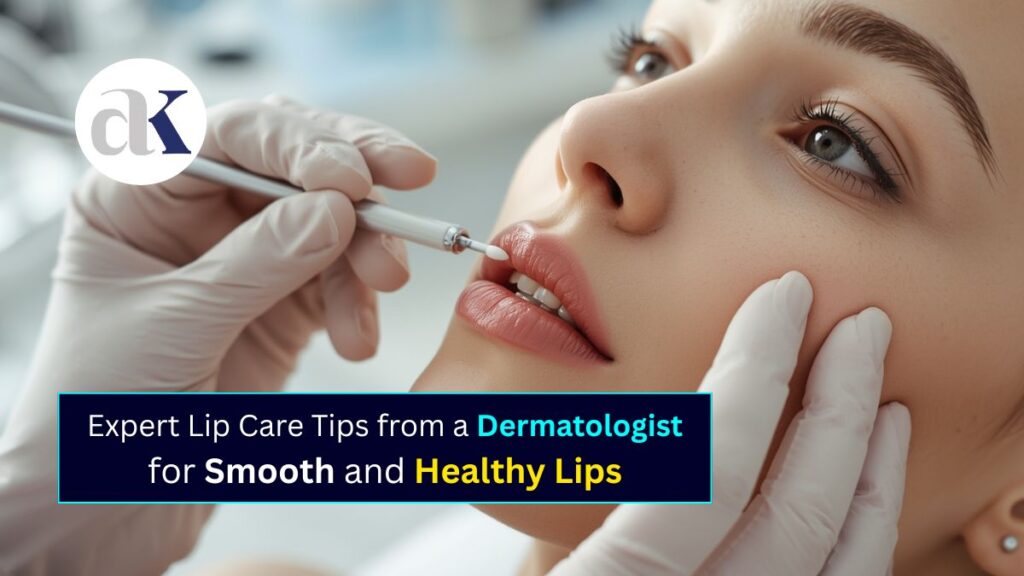
Expert Lip Care Tips from a Dermatologist for Smooth and Healthy Lips Our healthy lips are one of the most delicate and expressive parts of the face, yet they are often neglected in our skincare routine. Constant exposure to sunlight, pollution, dehydration, and harsh products can cause dryness, pigmentation, or chapping. While lip balms offer temporary relief, restoring your lips’ natural health often requires expert care. This is where dermatologists play an essential role. Understand the structure of Healthy Lips Lips are made of thin, sensitive skin that lacks oil glands, which means they cannot produce natural oils like other parts of the body. This makes them more prone to dryness and cracking. Additionally, factors like aging, nutritional deficiencies, smoking, and allergic reactions can contribute to lip damage and discoloration over time. A dermatologist doesn’t just treat these symptoms — they work to find the root cause behind your lip concerns and provide long-term, science-backed solutions. Common Lip Problems Dermatologists Can Treat Know How Dermatologists Restore Healthy Lips Dermatologists use a combination of medical expertise and advanced skin care methods to safely and effectively rejuvenate your healthy lips. Here’s how they help: 1. Personalized Diagnosis Every person’s lips have unique needs. A dermatologist begins by analyzing your lip texture, hydration levels, and pigmentation. They may also ask about lifestyle habits like sun exposure, smoking, or cosmetic use to identify the underlying cause. 2. Medical Treatments Depending on your condition, dermatologists may recommend: 3. Lifestyle and Care Guidance Drinking enough water, eating vitamin-rich foods, avoiding licking your lips, and using SPF lip balms are all part of a healthy lip-care routine. Dermatologists emphasize these habits for maintaining results long-term. 4. Sun Protection Just like your skin, lips can also get sunburned. Dermatologists recommend broad-spectrum lip balms with SPF 15 or higher to prevent damage and pigmentation. 5. Non-Invasive Enhancements If you’re looking for naturally fuller and healthy lips, dermatologists can suggest safe procedures such as hyaluronic acid fillers that hydrate and enhance your lip’s natural shape without overdoing it. Home Care Tips for Healthy Lips Even after professional treatment, maintaining your healthy lips is important. Follow these simple habits: These steps, combined with your dermatologist’s guidance, can keep your healthy lips soft, hydrated, and naturally pink. Why Consult a Dermatologist for Lip Problems? Many people rely on over-the-counter products or home remedies, but not all lip issues are surface-level. A dermatologist can help identify medical causes behind pigmentation, persistent dryness, or infection.As Dr. Atul Kathed, a Skin Specialist in Indore, explains: “Lips are an extension of your skin, and they deserve the same professional care. Regular consultation with a dermatologist ensures that your lip concerns are treated safely and effectively, leading to long-lasting results.” Frequently Asked Questions (FAQs) 1. How can I make my lips naturally pink again? According to Dr. Atul Kathed, Skin Specialist in Indore, maintaining hydration, protecting lips from sun exposure, and avoiding smoking are essential. For stubborn pigmentation, dermatological treatments like mild chemical peels or laser therapy can help restore natural lip color. 2. Why do my lips stay dry even after using lip balm? Dr. Atul Kathed explains that persistent dryness may indicate underlying issues such as allergies, vitamin deficiencies, or lip eczema. Consulting a dermatologist helps identify the exact cause and provides a long-term solution rather than temporary relief. 3. Is it safe to use lemon or toothpaste to lighten lips? No, says Dr. Atul Kathed. These home remedies can irritate and worsen lip dryness. Instead, dermatologists recommend medical-grade creams and treatments that are gentle and effective for lip depigmentation. 4. What are the best treatments for dark lips? Dr. Atul Kathed suggests options like chemical peels, laser therapy, and medicated lip creams tailored to your skin tone. These treatments help reduce pigmentation safely and improve lip texture. 5. How often should I see a dermatologist for lip care? It’s ideal to visit a dermatologist once or twice a year for a general skin and lip health check-up, or sooner if you notice persistent dryness, discoloration, or irritation. In conclusion, healthy lips are not just about appearance—they reflect your overall skin health. With expert care from dermatologists like Dr. Atul Kathed, Skin Specialist in Indore, you can achieve soft, smooth, and naturally radiant lips that truly enhance your smile.
How Sugar Affects Skin Health – Explained by Skin Specialist Dr. Atul Kathed
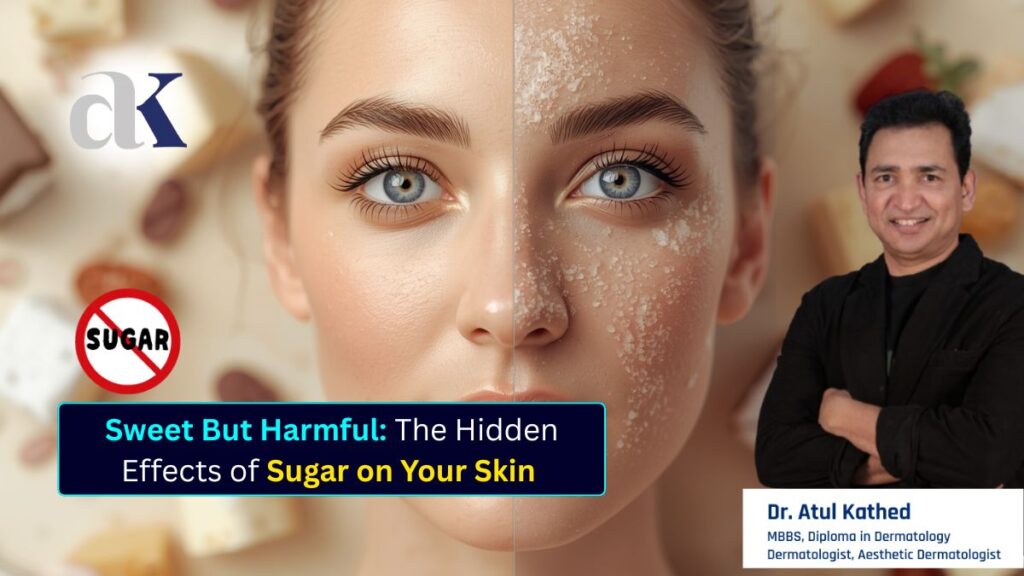
We all know sugar can be harmful to our overall health, but have you ever wondered how sugar affects skin health? From acne breakouts to premature aging, excess sugar can quietly damage your skin from the inside out. To understand this better, we turn to skin specialist Dr. Atul Kathed, who explains how something as simple as a sweet tooth can impact your complexion more than you think. 1. The Science Behind Sugar and Skin Damage When you consume too much sugar, your body undergoes a process called glycation. In this process, excess sugar molecules attach to proteins like collagen and elastin—the very fibers that keep your skin firm and youthful. This binding forms harmful compounds known as Advanced Glycation End Products (AGEs). According to Dr. Atul Kathed, “These AGEs weaken collagen, leading to sagging skin, wrinkles, and dullness. It’s one of the key ways sugar accelerates premature aging.” So, one of the main answers to how sugar affects skin health is that it literally breaks down the building blocks of youthful skin—making fine lines appear earlier and reducing elasticity. 2. Sugar and Hormonal Imbalance Sugar consumption doesn’t just affect your skin’s structure—it also influences your hormones. When blood sugar levels spike, your body releases insulin to balance it out. Over time, frequent spikes can lead to insulin resistance, which causes the body to produce more androgens and testosterone. These hormonal changes stimulate the sebaceous glands to produce excess sebum, the oily substance responsible for clogging pores. “This is one of the main reasons why people who eat too many sweets often notice more acne and breakouts,” explains Dr. Atul Kathed. In short, another clear example of how sugar affects skin health is through hormonal imbalances that trigger oily skin and acne. 3. Sugar Increases Inflammation Inflammation is your skin’s worst enemy. Diets high in refined sugars can increase systemic inflammation in the body, which reflects directly on your skin. This can worsen conditions like acne, rosacea, eczema, and even psoriasis. Dr. Kathed highlights, “Sugar leads to oxidative stress and inflammation, damaging healthy skin cells. This not only causes redness and swelling but also slows down the skin’s healing process.” So, you know how sugar affects skin health, reducing sugar intake can help soothe your skin and improve its natural glow over time. 4. Where Does the Added Sugar Come From? You might be surprised to learn that most of your sugar doesn’t come from desserts—it’s hidden in everyday foods. Here’s where most of the added sugar in our diet comes from: Many of these items may seem harmless, but regular consumption can silently contribute to poor skin health. Understanding how sugar affects skin health starts by being aware of where it’s hiding in your daily diet. 5. “I Don’t Eat Much Sugar” – Think Again Even if you think you don’t eat sweets, sugar can be sneaky. Many common foods that taste savory still contain added sugars. Here are some surprising examples: Remember: Every brand and variety is different, so always check the labels. Reducing these hidden sugars can make a significant difference once you understand how sugar affects skin health from within. 6. Can You Reverse the Damage? The good news is that your skin has a remarkable ability to heal itself. Cutting back on sugar can help restore collagen function, reduce inflammation, and balance hormone levels. Dr. Kathed advises focusing on whole foods, plenty of hydration, and a diet rich in antioxidants such as berries, green tea, and leafy greens. “As if know how sugar affects skin health, once you reduce sugar and support your skin with proper nutrition, you’ll notice clearer, smoother, and more radiant skin within weeks,” he adds. 7. Frequently Asked Questions (FAQs) Q1. How fast does sugar affect the skin?Excess sugar can begin affecting your skin within days—triggering breakouts or dullness. Long-term high sugar intake contributes to wrinkles and aging over time. Q2. Can quitting sugar improve my skin?Yes. Many people notice clearer, brighter skin within 2–4 weeks of reducing sugar intake. It lowers inflammation and supports collagen regeneration. Q3. Does sugar cause acne?Sugar raises insulin levels, which stimulates oil glands and increases androgen activity—leading to more clogged pores and acne. Q4. Are natural sugars like honey or jaggery better for the skin?Natural sugars are slightly better since they contain some nutrients, but moderation is still key. Your body reacts to all sugars similarly in large quantities. Q5. What’s the healthiest way to satisfy a sweet craving?Opt for fruit-based desserts, dark chocolate, or small amounts of natural sweeteners. Pairing them with fiber or protein helps balance your blood sugar levels. Final Thoughts When it comes to how sugar affects skin health, the truth is clear—too much sugar can lead to premature aging, acne, inflammation, and dullness. As Dr. Atul Kathed, a trusted skin specialist in Indore, emphasizes, being mindful of your diet is just as important as your skincare routine. Cutting back on sugar isn’t just a health choice—it’s a beauty investment. The less sugar you consume, the healthier and more youthful your skin will look.
