
Dandruff in the Hair Explained: Common Causes, Scalp Itching, Seasonal Triggers, and Effective Prevention
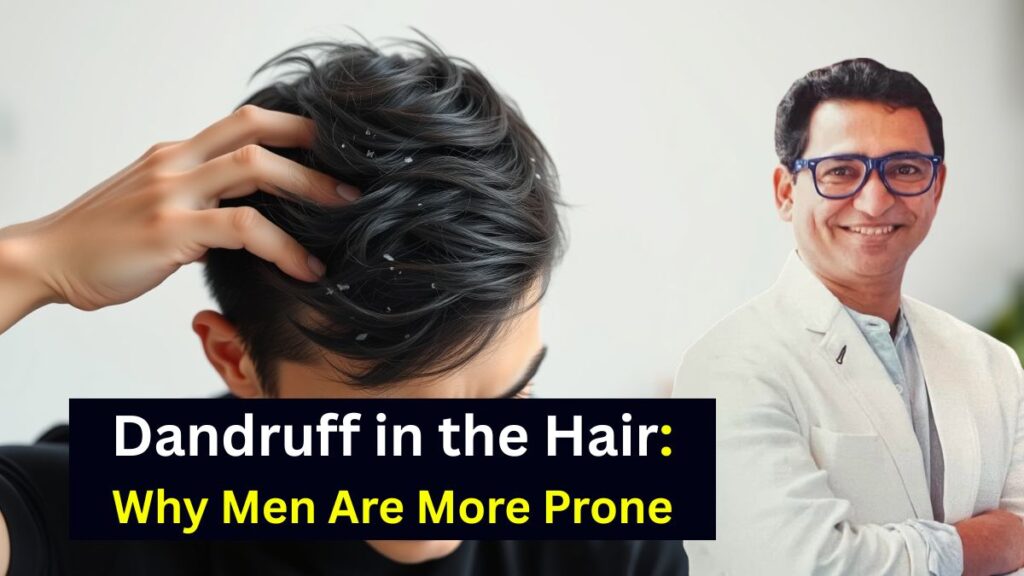
White flakes on your shoulders, constant scalp itching, and embarrassment in public are common concerns for people dealing with dandruff in the hair. While dandruff is not a serious medical condition, it can affect your confidence and may indicate that your scalp needs proper care. The good news is that with the right diagnosis and treatment, dandruff can usually be managed effectively. According to Dr. Atul Kathed, one of India’s best dermatologists, understanding the root cause of dandruff is the first step toward long-term relief. Instead of relying on home remedies or changing shampoos frequently, it is important to know why dandruff occurs and what works best for your scalp. What is dandruff? Dandruff is a common scalp condition in which dead skin cells shed more rapidly than usual, resulting in visible white or yellowish flakes. It often occurs when the scalp becomes irritated, oily, or affected by an overgrowth of a naturally occurring yeast called Malassezia. Although dandruff in the hair is not contagious, it can cause discomfort and become a recurring problem if left untreated. Many people notice dandruff during adolescence or adulthood, but it can affect individuals of almost any age. What causes dandruff in the hair? Several factors can contribute to dandruff in the hair, and identifying the exact cause helps in choosing the right treatment. Common causes include: Since different people may have different triggers, consulting a dermatologist is always a better approach than self-treating persistent dandruff. Why do men get dandruff? Men are generally more prone to dandruff because they have larger and more active sebaceous (oil) glands. Increased oil production creates an environment where scalp yeast can grow more easily, leading to flaking and irritation. Hormonal factors also play an important role. In addition, men often use styling products, wear helmets for extended periods, or sweat excessively, all of which may contribute to dandruff in the hair. However, women can also experience dandruff, especially during periods of hormonal fluctuations or stress. Can oily skin cause dandruff? Yes. Oily skin can increase the likelihood of developing dandruff. Excess sebum mixes with dead skin cells and encourages the growth of Malassezia, resulting in irritation and flaking. People with oily scalps may mistakenly believe that frequent shampooing alone will solve the problem. In reality, dandruff in the hair often requires medicated shampoos or dermatologist-recommended treatments that target the underlying cause rather than simply removing oil. Can a change in water cause dandruff? Changing your water source does not directly cause dandruff, but it may influence your scalp health. Hard water contains minerals such as calcium and magnesium that can leave residue on the scalp and hair. This buildup may make the scalp feel dry or irritated, which can worsen existing dandruff in some individuals. Similarly, moving to a place with different weather conditions or changes in your hair care routine can affect your scalp. If dandruff begins soon after relocating, it is worth reviewing both your environment and scalp care habits. Why does dandruff worsen during the cold season? Many people notice that dandruff in the hair becomes more noticeable during winter. This happens because cold weather reduces moisture in the air, leading to a drier scalp. Indoor heating can further strip away natural moisture, making flaking more visible. People also tend to wash their hair less frequently during winter, allowing oil and dead skin cells to accumulate on the scalp. Maintaining regular scalp hygiene and using dermatologist-recommended anti-dandruff products can help control seasonal flare-ups. Is mild scalp itching caused by dandruff? Yes, mild scalp itching is one of the most common symptoms of dandruff. The irritation caused by excess flakes, oil, and yeast activity can make the scalp itchy. While occasional itching is normal, persistent itching accompanied by redness, heavy scaling, or hair loss should not be ignored. If the itching becomes severe or does not improve with over-the-counter treatments, consult a dermatologist to rule out other scalp conditions such as psoriasis, eczema, or fungal infections. How can one prevent persistent dandruff? Preventing dandruff in the hair requires a combination of good scalp hygiene and appropriate treatment. Here are some practical tips: According to Dr. Atul Kathed, recurring dandruff should not be ignored because it may be associated with underlying scalp conditions that require medical evaluation. Early treatment often provides faster relief and prevents complications. Final Thoughts Although dandruff in the hair is a common condition, it should not be considered a normal part of everyday life. Understanding its causes, recognizing seasonal triggers, and following proper scalp care can significantly reduce recurring flakes and itching. If home care measures fail or symptoms continue to return, consulting an experienced dermatologist is the best way to receive an accurate diagnosis and personalized treatment plan. Healthy scalp care today can help you enjoy healthier, flake-free hair in the future.
महिलाओं के चेहरे पर अनचाहे बाल क्यों आते हैं? कारण, लक्षण और हटाने के तरीके

आज के समय में चेहरे पर अनचाहे बाल (Facial Hair) महिलाओं के लिए एक आम लेकिन परेशान करने वाली समस्या बन गई है। खासकर जब यह बाल ठोड़ी (chin), upper lip या साइड फेस पर दिखने लगते हैं, तो आत्मविश्वास भी प्रभावित होता है। Indore के प्रसिद्ध त्वचा विशेषज्ञ Skin Specialist in Indore डॉ. अतुल काठेड के अनुसार, इस समस्या को समझना और सही समय पर इलाज करना बहुत जरूरी है। आइए जानते हैं इसके कारण, लक्षण और प्रभावी समाधान। महिलाओं के चेहरे पर बाल क्यों आते हैं? महिलाओं में अनचाहे चेहरे के बालों का मुख्य कारण हार्मोनल परिवर्तन है। महिलाओं में आमतौर पर एस्ट्रोजन हार्मोन का स्तर अधिक होता है, लेकिन जब एंड्रोजन (पुरुष हार्मोन) का स्तर बढ़ता है, तो चेहरे पर बाल उगने लगते हैं। लड़कियों के फेस पर अनचाहे बाल आने के मुख्य कारण क्या हार्मोनल असंतुलन से चेहरे पर बाल आ सकते हैं? हाँ, बिल्कुल। हार्मोनल imbalance होने पर androgen level बढ़ जाता है, जिससे चेहरे पर अनचाहे बाल उगने लगते हैं। यह समस्या खासकर puberty, pregnancy या menopause के दौरान ज्यादा देखी जाती है। चेहरे पर बाल किसकी कमी से आते हैं? कई बार कुछ पोषक तत्वों की कमी भी इस समस्या को बढ़ा सकती है, जैसे: हालांकि ये मुख्य कारण नहीं हैं, लेकिन इनकी कमी शरीर के हार्मोनल संतुलन को प्रभावित कर सकती है, जिससे चेहरे पर अनचाहे बालों की वृद्धि हो सकती है। क्या PCOS या थायरॉयड से facial hair बढ़ता है? जी हाँ। इसलिए अगर आपको लगातार चेहरे पर अनचाहे बाल बढ़ते हुए दिखें, तो देरी न करें, अपने नजदीकी त्वचा विशेषज्ञ से संपर्क करें जो आपको सही मार्गदर्शन दे सकते हैं और Unwanted Hair से बचने में आपकी मदद कर सकते हैं। चिन (ठोड़ी) और upper lip पर बाल आने के कारण ठोड़ी और upper lip पर बाल आने के पीछे मुख्य कारण हैं: इन जगहों पर बाल अक्सर घने और गहरे रंग के उगते हैं, जिससे समस्या और भी स्पष्ट हो जाती है। यही कारण है कि कई महिलाएं चेहरे के अनचाहे बालों को हटाने के लिए बार-बार अलग-अलग तरीके अपनाती हैं। क्या genetics से भी चेहरे पर बाल आते हैं? हाँ, genetics एक महत्वपूर्ण भूमिका निभाता है। अगर आपकी मां या परिवार की अन्य महिलाओं को यह समस्या रही है, तो आपको भी शरीर पर अनचाहे बाल होने की संभावना बढ़ जाती है। Facial hair और open pores का क्या संबंध है? जब skin पर hair growth ज्यादा होती है, तो pores भी बड़े दिखाई देने लगते हैं। इसके अलावा: इन सब कारणों से pores और भी ज्यादा open दिखने लगते हैं। इसलिए सही skincare और treatment जरूरी है। चेहरे के अनचाहे बाल हटाने के सुरक्षित और effective तरीके अगर आप चेहरे पर अनचाहे बाल हटाना चाहती हैं, तो ये तरीके अपनाए जा सकते हैं: 1. थ्रेडिंग और वैक्सिंग यह temporary solutions हैं, लेकिन sensitive skin में irritation हो सकता है। 2. Laser Hair Removal यह एक advanced और long-term solution है। Dr. Atul Kathed के अनुसार, लेज़र ट्रीटमेंट बालों की जड़ों को कमजोर कर देता है, जिससे धीरे-धीरे शरीर पर अनचाहे बाल कम हो जाते हैं। 3. Electrolysis यह method बालों की जड़ को permanently destroy करता है, लेकिन थोड़ा time-consuming होता है। 4. Medications Hormonal imbalance होने पर डॉक्टर दवाइयां prescribe कर सकते हैं। 5. Proper Skincare क्या facial hair को permanently खत्म किया जा सकता है? पूरी तरह permanently खत्म करना मुश्किल हो सकता है, लेकिन इसे काफी हद तक कम किया जा सकता है। इन सबकी मदद से चेहरे पर अनचाहे बाल को लंबे समय तक control में रखा जा सकता है। निष्कर्ष (Conclusion) चेहरे पर अनचाहे बाल एक आम लेकिन संवेदनशील समस्या है, जिसे नजरअंदाज नहीं करना चाहिए। इसके पीछे हार्मोनल असंतुलन, PCOS, genetics या अन्य कारण हो सकते हैं। सही जानकारी और सही ट्रीटमेंट से इस समस्या को कंट्रोल किया जा सकता है। अगर आप भी इस समस्या से परेशान हैं, तो समय रहते किसी विशेषज्ञ से सलाह लेना जरूरी है। इंदौर में Best Skin Specialist in Indore Dr. Atul Kathed से परामर्श लेकर आप सुरक्षित और प्रभावी उपचार पा सकते हैं और अपनी स्किन को फिर से खूबसूरत बना सकते हैं।
Unwanted Facial Hair in Women: Causes, Age Factors, Cosmetic Triggers & the Best Ways to Get Rid of It

Get accurate information about unwanted facial hair from dermatologist Dr. Atul Kathed. Unwanted facial hair in women is a common concern that affects confidence, daily routines, and emotional well-being. Many women feel confused about why this happens and what the safest removal methods are. According to skin specialist Dr. Atul Kathed, understanding the root cause is the first step toward choosing the right solution. This article explains why women develop facial hair, how it changes with age, how cosmetics may influence hair growth, and the safest ways to remove it. Why do women grow unwanted facial hair? Unwanted facial hair in women usually appears due to an imbalance in hormones. When the level of androgens (male hormones present in all women) increases, it can trigger hair growth on areas like the chin, upper lip, or cheeks. Conditions such as PCOS, thyroid imbalance, or sudden weight gain can also stimulate excess hair growth. Genetics also play a major role. If your mother, grandmother, or siblings experienced the same issue, there is a higher chance that you may develop it too. According to Dr. Atul Kathed, many patients believe facial hair is always a disease sign, but in most cases, it is simply a natural hormonal variation. How to remove unwanted facial hair There are multiple safe methods to remove unwanted facial hair in women, depending on the thickness, density, and sensitivity of the skin. 1. Laser Hair Reduction This is one of the most effective and long-lasting options. Dermatologists use advanced laser technology to target hair follicles and reduce their growth over time. It works best for women with thick or dark hair. 2. Threading or Waxing These are quick fixes but may irritate sensitive skin. They do not control future hair growth but are suitable for temporary grooming. 3. Dermaplaning This method uses a medical-grade blade to remove fine, superficial facial hair (peach fuzz). It makes the skin smoother but must be done carefully. 4. Prescription Creams Dermatologists like Dr. Atul Kathed may recommend topical medications that slow down hair growth when used regularly. 5. Permanent Electrolysis For women who want a long-term result, electrolysis destroys individual follicles and prevents regrowth. Every method has its pros and cons, but laser hair reduction under a dermatologist’s supervision is considered the safest and most reliable solution for most women. Is it okay to use a Unwanted Facial Hair Laser Blade? In recent years, many handheld “laser blades” or “home laser tools” have become popular. However, these devices are often weak, inconsistent, and not medically tested. They may heat the skin unevenly, cause burns, or worsen ingrown hairs. Dr. Atul Kathed strongly advises that unwanted facial hair in women should not be treated with unregulated home laser blades. Professional laser machines used in dermatology clinics are far more powerful, safer, and customized for different skin tones. Home devices may offer temporary results, but they cannot replace clinical-level treatment. Can unwanted facial hair grow with age? Yes. Unwanted facial hair in women often increases with age due to natural hormonal changes. During perimenopause or menopause, estrogen levels drop while androgen levels remain the same or increase. This hormonal shift leads to new or thicker facial hair, especially on the chin and jawline. This is completely normal and nothing to be embarrassed about. Many women first notice these changes in their 40s and 50s. Timely consultation with a dermatologist can help manage the problem effectively. Can using cosmetics cause unwanted facial hair growth? Cosmetics themselves do not directly cause unwanted facial hair in women, but some products may indirectly influence it. Heavy creams, steroid-based products, or low-quality cosmetics may disturb the skin’s natural balance. Overuse of certain topical steroids can even trigger hormonal changes that encourage hair growth. Additionally, makeup that clogs pores can lead to inflammation or ingrown hairs, making the problem appear worse. Dr. Atul Kathed recommends choosing non-comedogenic, dermatologist-tested products to maintain healthy skin. How dermatologists help treat ingrown hairs Ingrown hairs are common among women who frequently wax, thread, or shave their face. These hairs curl back into the skin instead of growing outward, causing red bumps, itching, and dark spots. Dermatologists treat ingrown hairs through multiple methods: According to dermatologist in indore Dr. Atul Kathed, treating ingrown hairs professionally not only reduces discomfort but also enhances overall skin texture. Conclusion Unwanted facial hair in women is extremely common and nothing to feel ashamed of. Whether it occurs due to hormones, genetics, age, or lifestyle factors, effective treatment options are available. Consulting a dermatologist like Dr. Atul Kathed ensures safe, scientific, and personalized solutions. With the right care and understanding, every woman can enjoy smooth, confident, and healthy-looking skin.
