
Healthy skin is not achieved by chance—it is the result of correct knowledge, consistent care, and using the right products in the right way. In recent years, skin care serums have become one of the most talked-about products in dermatology and daily skin routines. However, many people use them incorrectly or without understanding their purpose, which can lead to irritation or poor results.
Let’s understand what serums truly are, how they work, and how to use them safely, with guidance from dermatologist Dr. Atul Kathed.

What Are Skin Care Serums?
Skin care serums are lightweight, fast-absorbing formulations designed to deliver active ingredients deep into the skin. Unlike creams or lotions, they have smaller molecules and a higher concentration of targeted ingredients. This allows them to address specific concerns such as pigmentation, acne, aging, dryness, or dull skin more effectively.
Most skin care serums are water-based or gel-based, making them suitable for layering under moisturizers or sunscreens. They do not replace creams but work alongside them to improve overall skin health.
Why Are Serums Important in a Skincare Routine?
Serums act as problem-solvers. While cleansers clean the skin and moisturizers lock in hydration, serums actively treat skin concerns at a deeper level. Whether your goal is brighter skin, reduced fine lines, or acne control, choosing the correct serum makes a visible difference over time.
Dr. Atul Kathed explains that serums should be selected based on skin type, age, climate, and lifestyle. Using random products without guidance can overload the skin and damage its natural barrier.
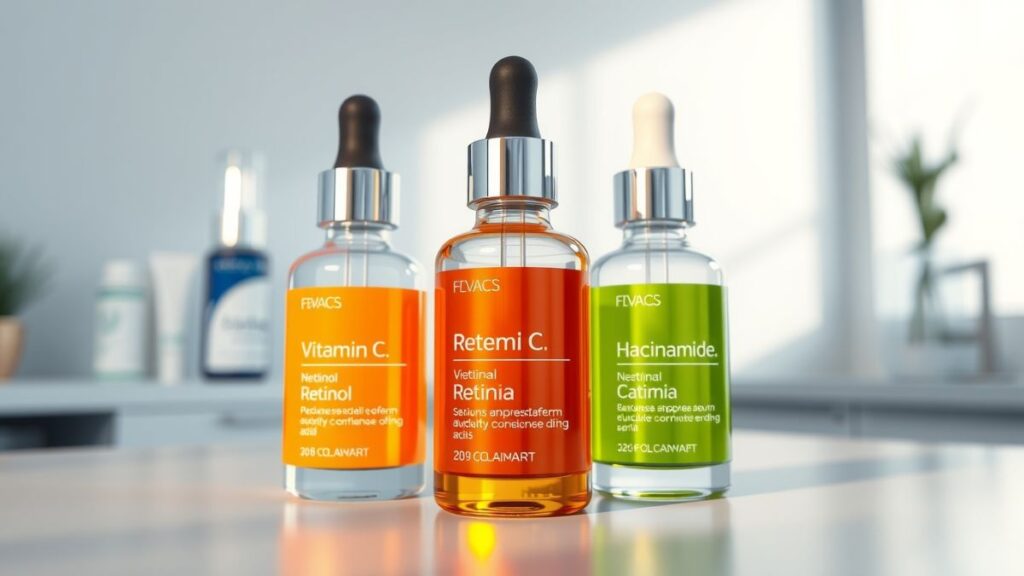
Common Types of Skin Care Serums and Their Uses
There are different types of skin serums, each designed for a specific purpose:
- Vitamin C serum: Helps brighten skin, reduce pigmentation, and protect against pollution.
- Retinol serum: Improves acne, fine lines, and uneven texture.
- Hyaluronic acid serum: Boosts hydration and improves skin elasticity.
- Niacinamide serum: Controls oil, reduces pores, and calms inflammation.
- Peptide and growth factor serums: Support skin repair and anti-aging.
Each ingredient works differently, which is why combining them without proper planning can be harmful.
When Should You Use Serums?
The timing of serum application is crucial. Morning routines usually focus on protection, while nighttime routines focus on repair.
In the morning, antioxidant-based skin care serums like Vitamin C are preferred, followed by moisturizer and sunscreen. At night, active ingredients such as retinol or peptides work best because the skin repairs itself during sleep.
Seasonal changes also matter. For example, lighter hydrating serums are better in summer, while barrier-repair serums suit winter months.

How to Use Skin Serum Correctly
To get maximum benefit from skin care serums, follow these dermatologist-approved steps:
- Cleanse your face thoroughly.
- Apply 2–3 drops of serum on slightly damp skin.
- Gently pat—do not rub aggressively.
- Wait for absorption before applying moisturizer.
- Always use sunscreen in the daytime.
Overusing serums or applying too many actives together can irritate the skin. More is not always better.
Understanding Cycling Therapy in Serums
One advanced method recommended by dermatologists is cycling therapy. This involves rotating active ingredients instead of using all of them at once. For example, two actives are used for a certain period, then switched to another pair.
Cycling allows the skin to receive multiple benefits while reducing the risk of sensitivity. Skin Specialist in Indore Dr. Atul Kathed often recommends this approach for patients using strong skin care serums like retinol or exfoliating acids.

Who Should Use Serums?
Serums are not limited by age. Teenagers with acne, adults with pigmentation, and mature skin with wrinkles can all benefit from the right skin care serums. The key is customization.
People with sensitive skin should always start slowly and seek professional advice before introducing new actives.
Final Thoughts from Dr. Atul Kathed
Serums are powerful tools, but only when used correctly. Random internet trends and product layering can harm your skin. Choosing dermatologist-recommended skin care serums based on your unique skin needs ensures long-term skin health and visible improvement.

Frequently Asked Question
Q: Can I use multiple skin care serums together every day?
A: Not always. Using multiple serums without understanding their compatibility can irritate the skin. It is better to follow cycling therapy or consult a dermatologist to decide which serums to use, when to use them, and in what combination.