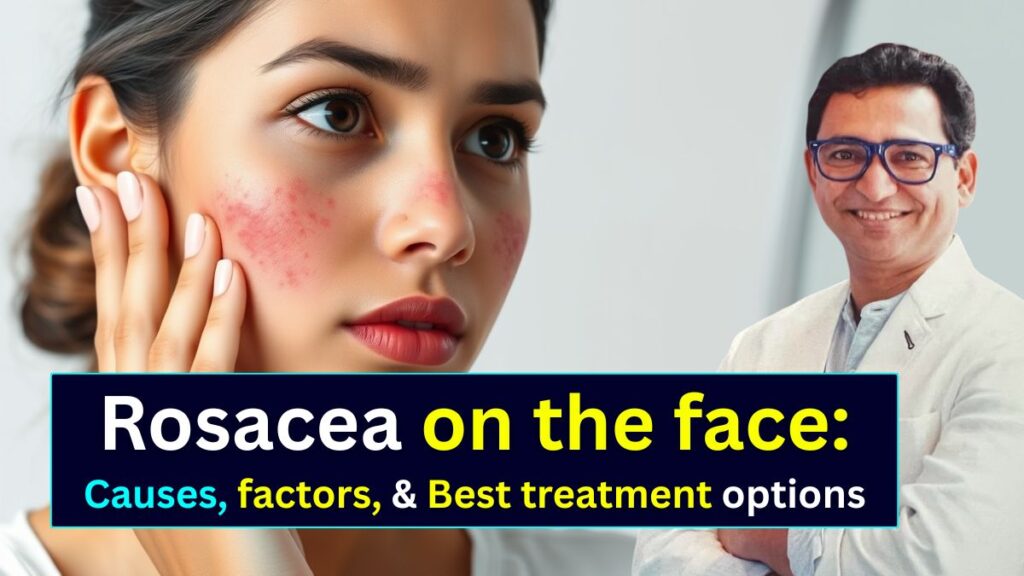
Skin redness that refuses to go away can often be confusing and frustrating. Many people mistake it for pimple acne, allergy, or sunburn, but in many cases, it could actually be rosacea on the face. This common but often misunderstood skin condition mainly affects adults and can gradually worsen if ignored.
According to dermatologist Dr. Atul Kathed, early awareness and the right treatment can help control the condition and prevent complications. Understanding the causes, triggers, myths, and treatment options for rosacea can help people manage facial rosacea more effectively.
What is Rosacea on the Face?
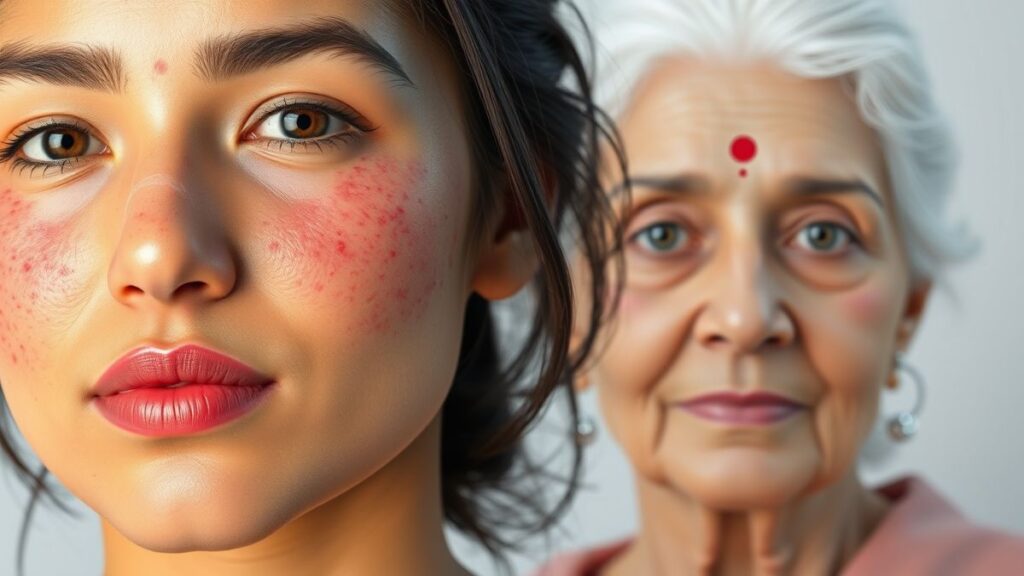
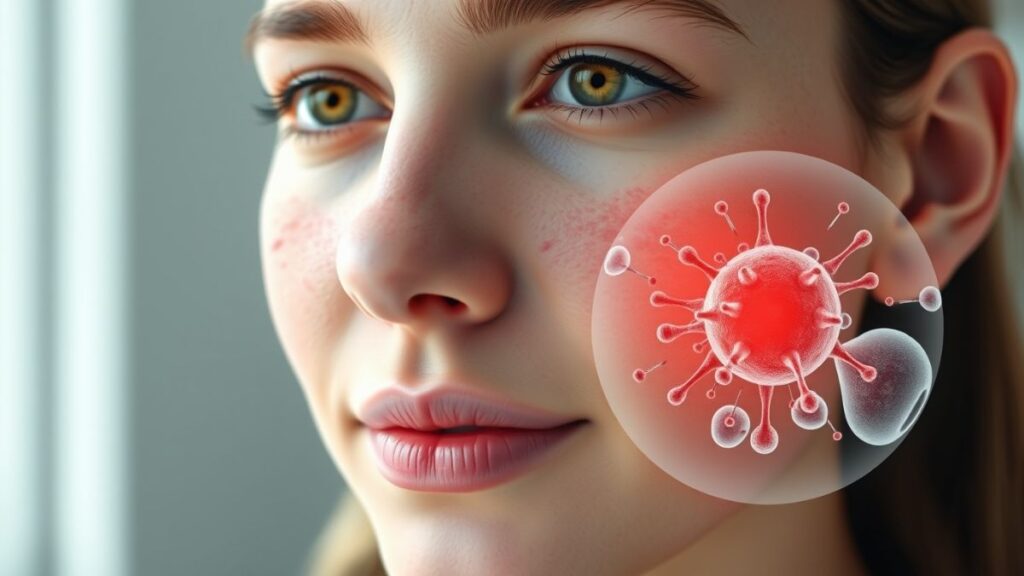
Rosacea is a chronic inflammatory skin condition that usually affects the cheeks, nose, chin, and forehead. People with rosacea on the face often experience persistent redness, visible blood vessels, and sometimes small acne-like bumps.
The condition usually appears after the age of 30 and can come and go in flare-ups. In the beginning, redness may appear occasionally, but over time it may become constant if proper care is not taken.
What Causes Rosacea on the Face?
The exact cause of facial rosacea isn’t fully understood, but dermatologists believe several factors may combine to trigger it.
Some common causes include:
- Genetic factors – If someone in your family has rosacea, you may have a higher risk.
- Sensitive blood vessels – Facial blood vessels may expand easily, leading to redness.
- Immune system reaction – An overactive immune response may trigger inflammation.
- Environmental triggers – Sun exposure, extreme heat, or cold weather can worsen symptoms.
- Skin mites (Demodex) – These naturally occurring mites may increase inflammation in some people.
As explained by Dr. Atul Kathed, identifying personal triggers is important because every individual with rosacea on the face may react differently.
Why Does Rosacea Spread So Quickly?
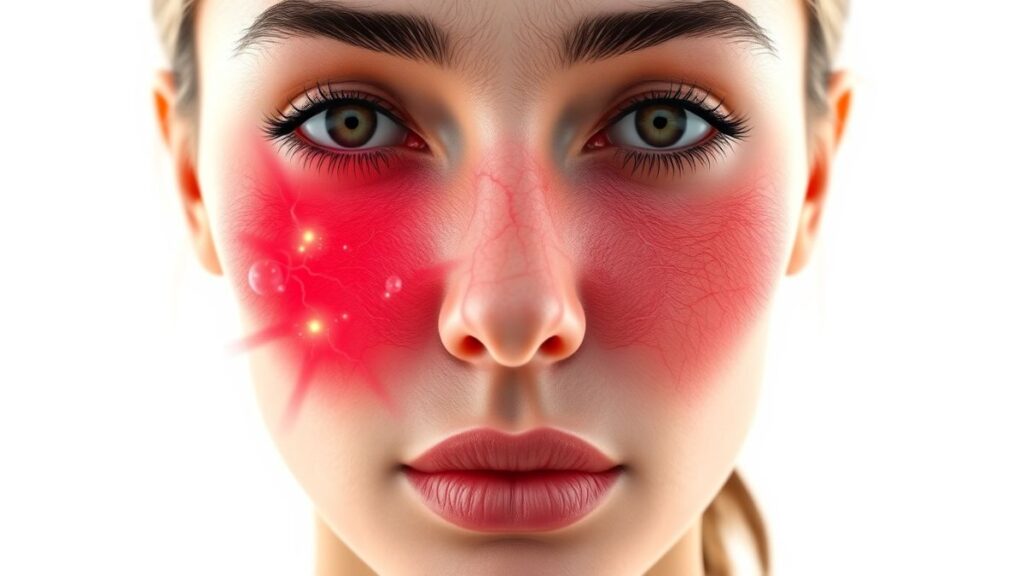
Many patients notice that redness spreads quickly from one area to another. This happens because rosacea affects the skin’s blood vessels and inflammatory response.
Some factors that may cause rosacea on the face to worsen quickly include:
- Excessive sun exposure
- Stress or emotional triggers
- Alcohol consumption
- Spicy foods
- Hot beverages
- Harsh skin products
When these triggers repeatedly irritate the skin, inflammation increases and symptoms may spread across the cheeks, nose, or chin.

Does Unhealthy Eating Cause Rosacea?
Diet alone doesn’t directly cause facial rosacea, but certain foods can aggravate the condition in people who already have it.
Common food triggers include:
- Spicy dishes
- Hot tea or coffee
- Alcohol
- Processed foods
- Very sugary foods
These foods may increase blood flow to the face, leading to flushing and redness. Dermatologist in indore Dr. Atul Kathed often recommends maintaining a balanced diet and observing which foods worsen symptoms.
Can Long-Term Rosacea Damage the Skin?
Yes, if untreated for a long time, rosacea on the face can gradually lead to noticeable skin changes.
Possible complications include:
- Permanent facial redness
- Thickened skin (especially around the nose)
- Visible broken blood vessels
- Increased skin sensitivity
In severe cases, the nose may become enlarged due to tissue thickening, a condition known as rhinophyma. However, early treatment and proper skin care can prevent such complications.
Is It Okay to Use Soap on Rosacea?
People with rosacea on the face should be very careful about the products they use on their skin. Regular soaps often contain fragrances, chemicals, or strong ingredients that may irritate sensitive skin.
Dermatologists usually recommend:
- Mild, fragrance-free cleansers
- Soap-free face washes
- Gentle moisturizing products
- Sunscreen suitable for sensitive skin
Using gentle skin care products helps reduce irritation and prevents flare-ups.
Can Rosacea Spread Through Contact With an Infected Person?
A common myth is that facial rosacea is spread through physical contact. This is completely false.
Rosacea is not contagious. It cannot spread by touching, sharing towels, or being in contact with someone who has the condition. It is a chronic inflammatory skin disorder, not an infection.
Spreading awareness about this fact is important because many people feel embarrassed or socially uncomfortable due to this misconception.

What is the Best Treatment for Rosacea?
The best treatment for facial rosacea depends on the severity of the condition. Since rosacea is a long-term skin condition, the goal of treatment is to control symptoms and prevent flare-ups.
Dermatologists may recommend:
1. Prescription Creams and Gels
Topical medications help reduce redness, inflammation, and acne-like bumps.
2. Oral Medications
In moderate to severe cases, oral medicines may be prescribed to control inflammation.
3. Laser or Light Therapy
Advanced dermatological procedures can reduce visible blood vessels and persistent redness.
4. Lifestyle Changes
Avoiding personal triggers such as sun exposure, spicy food, alcohol, and stress can significantly reduce symptoms.
According to Dr. Atul Kathed, early consultation with a dermatologist helps patients manage rosacea on the face effectively and prevents long-term skin damage.
Can Rosacea Be Permanently Cured?
One of the most searched questions on Google is whether rosacea can be permanently cured. The answer is that rosacea is a chronic condition, which means it may not disappear completely. However, with proper medical treatment and lifestyle adjustments, symptoms can be controlled very well.
Many patients live comfortably for years without major flare-ups once they follow the right skin care routine and medical advice.

When Should You See a Dermatologist?
If you notice persistent redness, burning sensation, visible blood vessels, or acne-like bumps on your face, it is important to consult a dermatologist. Early diagnosis can prevent worsening symptoms and improve treatment outcomes.
Experienced dermatologist like Dr. Atul Kathed carefully evaluate the skin and design a personalized treatment plan to control rosacea on the face and restore healthy-looking skin.
Final Thoughts
Although rosacea on the face is a chronic condition, it can be successfully managed with the right medical care and lifestyle adjustments. Understanding the causes, avoiding triggers, and following a dermatologist-recommended skin care routine can make a significant difference.
Public awareness is essential because many people ignore early symptoms or misunderstand the condition. If you notice persistent facial redness or sensitivity, seeking timely advice from a dermatologist in indore Dr. Atul Kathed can help you protect your skin and maintain long-term skin health.