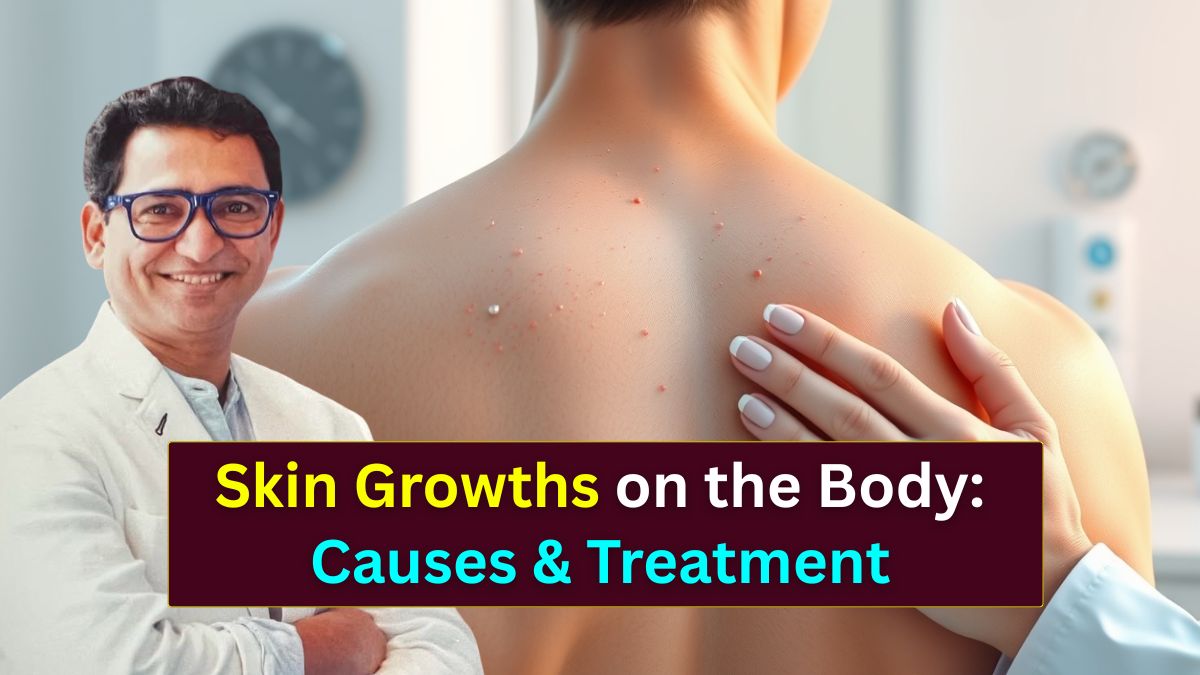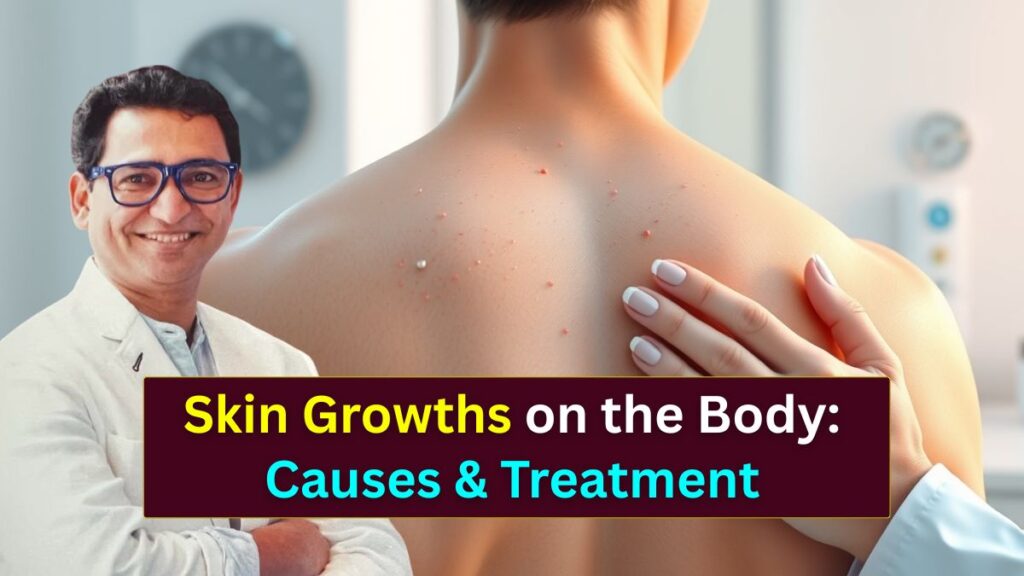
Not every bump, tag, or wart-like spot on the skin is something to fear—but it should never be ignored either. Skin Growths on the Body are a common concern seen in people of all ages. These growths may appear as tiny raised bumps, rough patches, soft hanging skin, or wart-like lesions on areas such as the neck, underarms, back, arms, and face. While many are harmless, some may indicate infection, friction-related skin changes, or underlying hormonal imbalance.
According to skin specialist Dr. Atul Kathed, understanding the cause behind these growths is the first step toward safe and effective treatment. In this article, we will explain the common reasons, symptoms, and best removal options for Skin Growths on the Body in a simple and public-friendly way.
What Are Wart-Like Growths on the Skin?
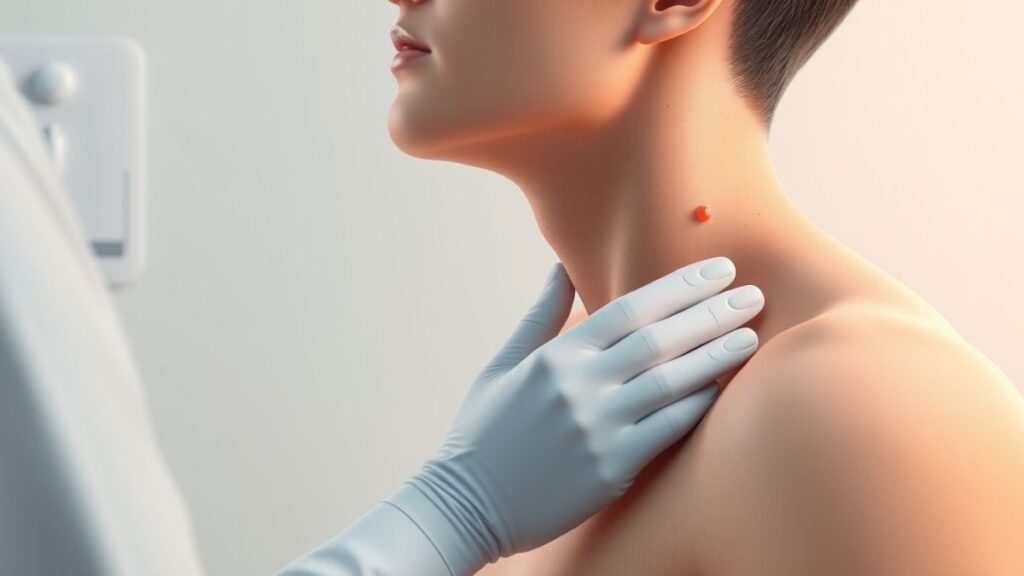
Wart-like growths are small raised lesions that can appear rough, thick, soft, or uneven on the skin surface. Some may look like tiny skin-colored bumps, while others may appear darker or feel harder when touched. Many people confuse all such growths with “warts,” but in reality, they can include:
- Skin tags
- Viral warts
- Seborrheic keratosis
- Friction-related growths
- Benign thickened skin lesions
This is why proper diagnosis is important. Not all Skin Growths on the Body are the same, and treatment depends on what the growth actually is.
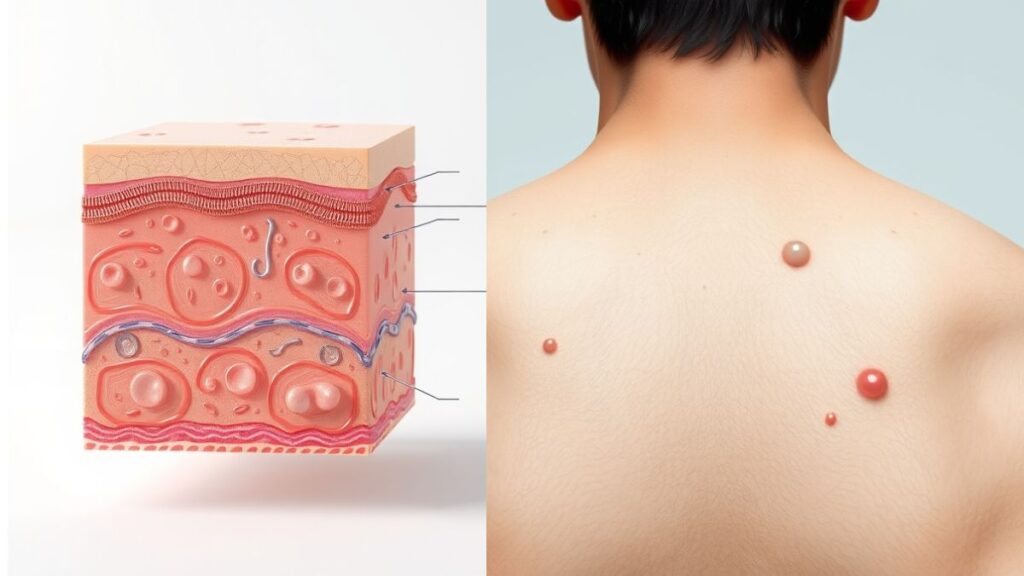
What Causes Wart-Like Growths on the Skin?
There is no single reason behind wart-like growths. Different skin conditions can create similar-looking bumps. Some of the most common causes include:
- Human Papillomavirus (HPV): Often responsible for true viral warts
- Repeated friction: Especially in skin folds like the neck or underarms
- Hormonal imbalance: Which may trigger skin changes in some individuals
- Aging: Certain harmless skin growths become more common with age
- Genetics: Some people naturally develop more skin tags or benign lesions
As Skin Specialist in Indore Dr. Atul Kathed often explains, many Skin Growths on the Body may appear harmless initially, but self-diagnosis can be misleading. A dermatologist can identify whether the growth is infectious, friction-related, or something else entirely.
Why Do Skin Growths Develop?
Skin growths develop when there is an overgrowth of skin cells, thickening of tissue, viral activity, or repeated irritation. In simple terms, the skin reacts to internal or external triggers by forming a visible bump or lesion.
Some people may develop these growths because of:
- Obesity or skin rubbing
- Excess sweating
- Poor skin hygiene in folds
- Insulin resistance
- Viral infection
- Family tendency
This is why Skin Growths on the Body are often seen in areas where the skin is exposed to friction, moisture, or repeated pressure.
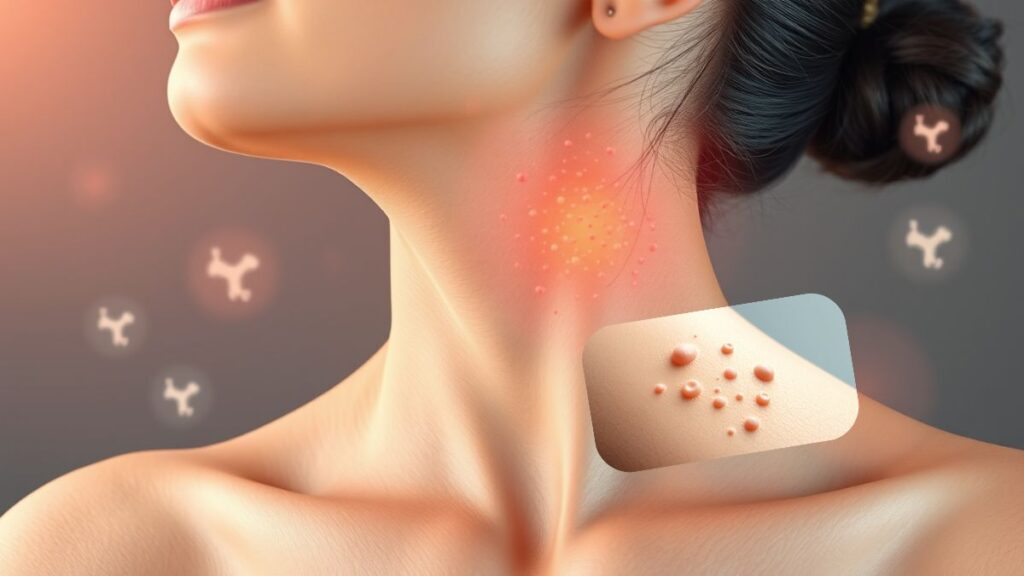
Do Hormonal Changes Lead to Skin Growths?
Yes, in many cases, hormonal changes can contribute to the appearance of certain skin growths. Hormonal imbalance can affect the way skin cells behave and may increase the tendency to develop:
- Skin tags
- Pigmented patches
- Thickened skin folds
- Small wart-like lesions
These changes are often noticed during:
- Puberty
- Pregnancy
- PCOS-related hormonal imbalance
- Weight gain or insulin resistance
Advice from Indore dermatologist Dr. Atul Kathed that if a person suddenly notices multiple Skin Growths on the Body, especially around the neck or underarms, it may be wise to evaluate not just the skin—but also possible internal triggers like hormones or metabolism.
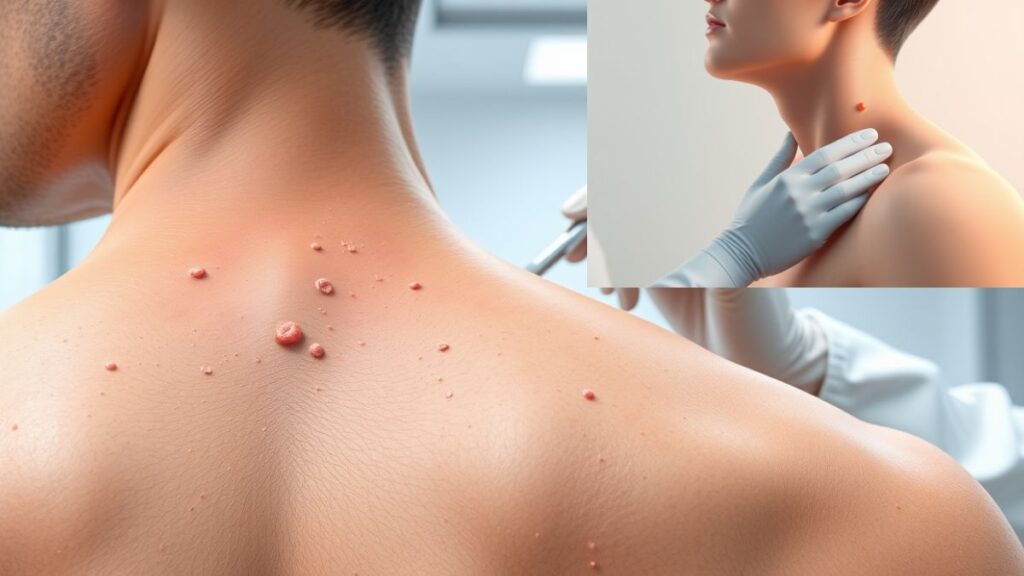
Why Do Skin Growths Commonly Appear on the Back of the Neck and Arms?
The back of the neck and arms are common sites because these areas are often exposed to friction, sweat, and repeated movement. Tight clothing, collars, jewelry, heat, and rubbing can all irritate the skin over time.
The neck area, in particular, is also linked with:
- Hormonal influence
- Insulin resistance
- Sweat retention
- Friction from skin folds
Similarly, the arms may develop wart-like or rough growths due to sun exposure, dry skin, repeated irritation, or viral spread through scratching. That is why Skin Growths on the Body often show up in these high-friction or high-contact areas first.
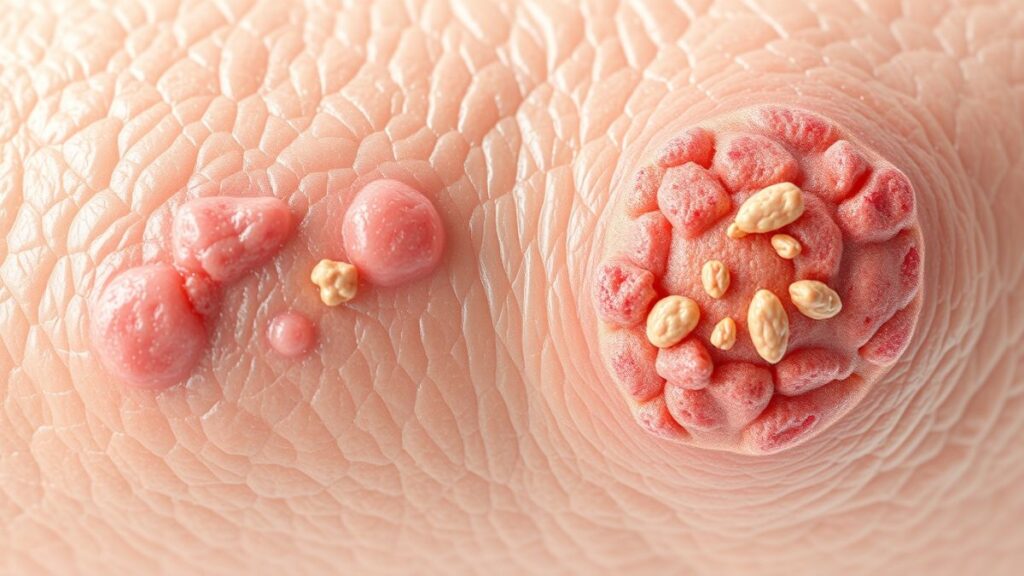
Can Skin Growths Become Hard Over Time?
Yes, some skin growths can become hard, rough, or thicker over time—especially if they are left untreated or repeatedly irritated. Growths that are constantly rubbed by clothing, scratched, or exposed to friction may develop a firmer surface.
A skin growth may harden because of:
- Thickening of the outer skin layer
- Repeated inflammation
- Dryness and scaling
- Viral wart progression
However, not every hard growth is harmless. If a lesion changes in shape, color, size, or texture, it should be examined by a dermatologist. Dr. Atul Kathed recommends that any unusual Skin Growths on the Body should be assessed early rather than treated with random home remedies.
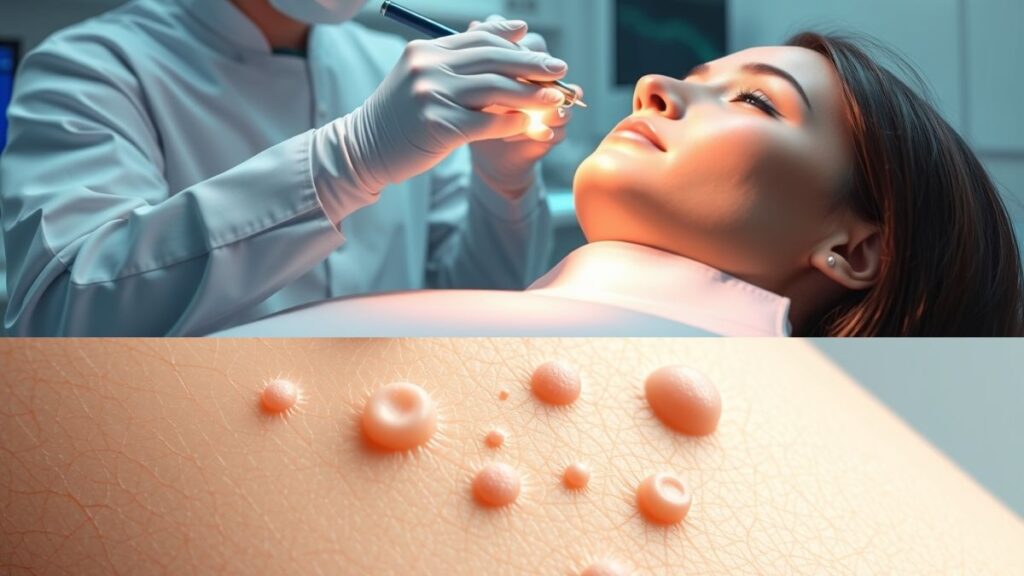
What Is the Best Treatment for Removing Skin Growths?
The best treatment depends entirely on the type of skin growth. There is no one-size-fits-all solution. A dermatologist first identifies whether the lesion is a wart, skin tag, keratosis, or another benign growth before deciding the right removal method.
Common treatment options include:
1. Laser Removal
A precise and modern option often used for selected skin growths.
2. Radiofrequency or Electrocautery
Helpful for removing raised lesions safely with minimal bleeding.
3. Cryotherapy
This method uses controlled freezing and is often used for certain warts.
4. Minor Procedure / Excision
Some growths may need to be carefully cut or removed under medical supervision.
5. Medical Treatment
If the growth is viral or related to skin thickening, topical treatment may also be advised.
Dr. Atul Kathed emphasizes that Skin Growths on the Body should never be picked, cut, or burned at home, as this can lead to infection, scarring, or recurrence.
Final Thoughts
Although many Skin Growths on the Body are non-cancerous and treatable, it is always best to get them checked if they are increasing, becoming painful, changing color, or causing cosmetic discomfort. Early diagnosis can prevent unnecessary worry and ensure the right treatment at the right time.
If you notice unusual wart-like bumps, rough growths, or hanging lesions on your skin, consult a qualified dermatologist like Dr. Atul Kathed for proper evaluation and safe removal. Healthy skin begins with the right information—and the right care.