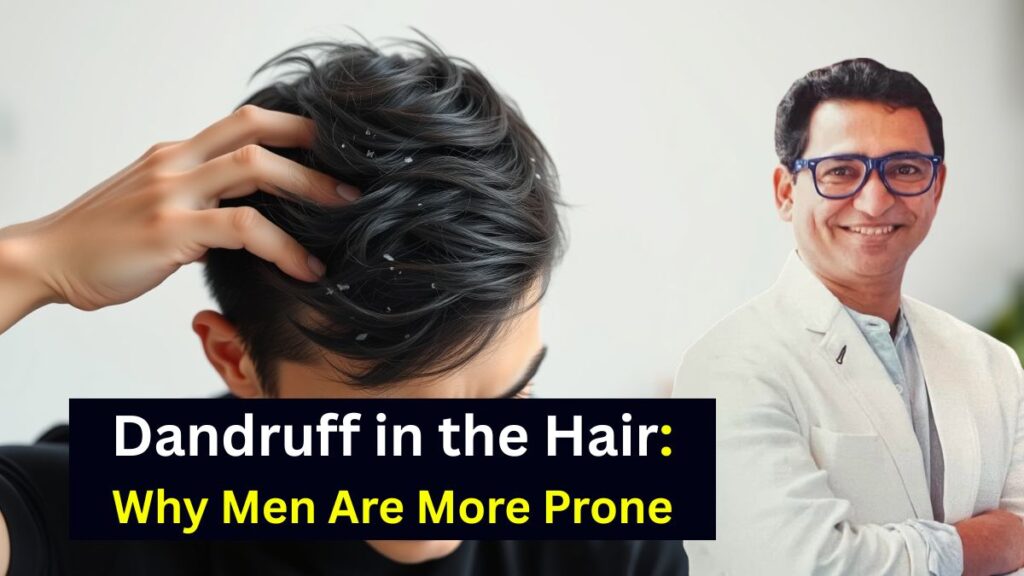
White flakes on your shoulders, constant scalp itching, and embarrassment in public are common concerns for people dealing with dandruff in the hair. While dandruff is not a serious medical condition, it can affect your confidence and may indicate that your scalp needs proper care. The good news is that with the right diagnosis and treatment, dandruff can usually be managed effectively.
According to Dr. Atul Kathed, one of India’s best dermatologists, understanding the root cause of dandruff is the first step toward long-term relief. Instead of relying on home remedies or changing shampoos frequently, it is important to know why dandruff occurs and what works best for your scalp.

What is dandruff?
Dandruff is a common scalp condition in which dead skin cells shed more rapidly than usual, resulting in visible white or yellowish flakes. It often occurs when the scalp becomes irritated, oily, or affected by an overgrowth of a naturally occurring yeast called Malassezia. Although dandruff in the hair is not contagious, it can cause discomfort and become a recurring problem if left untreated.
Many people notice dandruff during adolescence or adulthood, but it can affect individuals of almost any age.
What causes dandruff in the hair?
Several factors can contribute to dandruff in the hair, and identifying the exact cause helps in choosing the right treatment. Common causes include:
- Excess oil production on the scalp
- Overgrowth of the Malassezia yeast
- Infrequent hair washing
- Sensitivity to certain hair care products
- Dry scalp
- Stress and hormonal changes
- Certain skin conditions such as seborrheic dermatitis
Since different people may have different triggers, consulting a dermatologist is always a better approach than self-treating persistent dandruff.

Why do men get dandruff?
Men are generally more prone to dandruff because they have larger and more active sebaceous (oil) glands. Increased oil production creates an environment where scalp yeast can grow more easily, leading to flaking and irritation.
Hormonal factors also play an important role. In addition, men often use styling products, wear helmets for extended periods, or sweat excessively, all of which may contribute to dandruff in the hair. However, women can also experience dandruff, especially during periods of hormonal fluctuations or stress.
Can oily skin cause dandruff?
Yes. Oily skin can increase the likelihood of developing dandruff. Excess sebum mixes with dead skin cells and encourages the growth of Malassezia, resulting in irritation and flaking.
People with oily scalps may mistakenly believe that frequent shampooing alone will solve the problem. In reality, dandruff in the hair often requires medicated shampoos or dermatologist-recommended treatments that target the underlying cause rather than simply removing oil.
Can a change in water cause dandruff?
Changing your water source does not directly cause dandruff, but it may influence your scalp health. Hard water contains minerals such as calcium and magnesium that can leave residue on the scalp and hair. This buildup may make the scalp feel dry or irritated, which can worsen existing dandruff in some individuals.
Similarly, moving to a place with different weather conditions or changes in your hair care routine can affect your scalp. If dandruff begins soon after relocating, it is worth reviewing both your environment and scalp care habits.

Why does dandruff worsen during the cold season?
Many people notice that dandruff in the hair becomes more noticeable during winter. This happens because cold weather reduces moisture in the air, leading to a drier scalp. Indoor heating can further strip away natural moisture, making flaking more visible.
People also tend to wash their hair less frequently during winter, allowing oil and dead skin cells to accumulate on the scalp. Maintaining regular scalp hygiene and using dermatologist-recommended anti-dandruff products can help control seasonal flare-ups.
Is mild scalp itching caused by dandruff?
Yes, mild scalp itching is one of the most common symptoms of dandruff. The irritation caused by excess flakes, oil, and yeast activity can make the scalp itchy. While occasional itching is normal, persistent itching accompanied by redness, heavy scaling, or hair loss should not be ignored.
If the itching becomes severe or does not improve with over-the-counter treatments, consult a dermatologist to rule out other scalp conditions such as psoriasis, eczema, or fungal infections.

How can one prevent persistent dandruff?
Preventing dandruff in the hair requires a combination of good scalp hygiene and appropriate treatment. Here are some practical tips:
- Wash your hair regularly using a suitable shampoo.
- Use an anti-dandruff shampoo if recommended by your dermatologist.
- Avoid scratching your scalp aggressively.
- Manage stress through regular exercise and adequate sleep.
- Eat a balanced diet rich in zinc, B vitamins, and omega-3 fatty acids.
- Keep styling products to a minimum if they irritate your scalp.
- Seek professional treatment if dandruff persists for several weeks.
According to Dr. Atul Kathed, recurring dandruff should not be ignored because it may be associated with underlying scalp conditions that require medical evaluation. Early treatment often provides faster relief and prevents complications.
Final Thoughts
Although dandruff in the hair is a common condition, it should not be considered a normal part of everyday life. Understanding its causes, recognizing seasonal triggers, and following proper scalp care can significantly reduce recurring flakes and itching. If home care measures fail or symptoms continue to return, consulting an experienced dermatologist is the best way to receive an accurate diagnosis and personalized treatment plan. Healthy scalp care today can help you enjoy healthier, flake-free hair in the future.